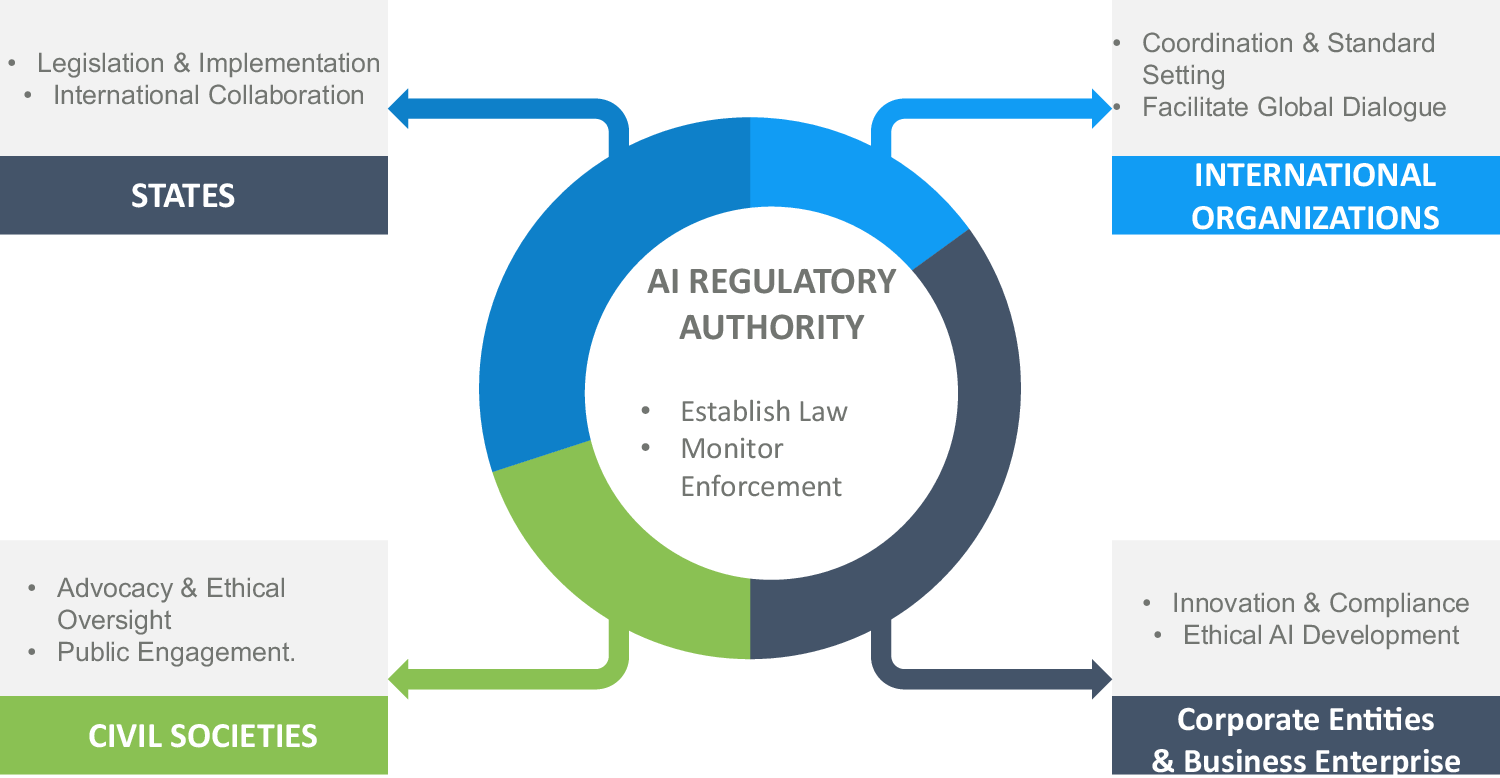
In 2026, the role of artificial intelligence (AI) stretches far beyond gadgets and automation — it is reshaping everything from public policy to personal privacy. As AI technologies become increasingly sophisticated, governments, businesses, and civil society are calling for stronger AI governance frameworks to ensure safety, fairness, and ethical use.
AI governance refers to the rules, protocols, and policies that guide how artificial intelligence systems are developed and deployed. With machines making decisions in fields like finance, healthcare, and law enforcement, the potential for bias, misuse, and unintended consequences cannot be overlooked. For this reason, many nations are introducing regulations to ensure AI serves the common good rather than deepening inequalities or undermining civil liberties.
One driving force behind global AI governance efforts is public demand for transparency. People want to know how automated decisions are made — especially when those decisions affect jobs, legal outcomes, or access to services. Governments such as the European Union have already introduced landmark regulations aimed at protecting citizens’ rights and promoting AI that aligns with human values. Other countries, from the United States to Japan, are now developing their own frameworks to balance innovation with responsibility.
Another key concern is accountability. AI systems are often trained on vast datasets, which can absorb and amplify societal biases unless carefully curated. If an AI tool wrongly denies someone a loan or misdiagnoses a medical condition, who is responsible — the developer, the data provider, or the organization that deployed it? Clear standards of accountability are essential to avoid legal and ethical dilemmas that could erode public trust.
Industry leaders also have a role to play. Tech companies are under greater scrutiny to adopt ethical AI practices and conduct independent audits of their algorithms. Collaboration between public and private sectors is becoming the norm, rather than the exception. These partnerships aim to align technological innovation with societal needs — whether protecting human rights, promoting economic fairness, or safeguarding personal data.
Ultimately, the goal of AI governance is not to slow progress — but to make sure it is inclusive, equitable, and safe. In a world where machines influence more aspects of human life, building trust through regulation and ethical practices is not just prudent — it is imperative for a just and prosperous future.