Home Blog

Discipline Over Talent: The True Secret of Athletic Success

0

Every champion starts with a dream, but only discipline turns that dream into reality. Talent may open doors, but consistency, training, and perseverance keep them open.

Athletes like Serena Williams, Cristiano Ronaldo, and Usain Bolt are living proof that hard work outlasts natural ability. They built their success through daily routines, mental strength, and an unshakable focus on improvement.

Discipline in sports extends beyond physical training — it includes nutrition, rest, and emotional control. It’s about making small, deliberate choices every day, even when motivation fades.

The lesson applies to life as well: success is built on habits, not luck. Whether in sports, business, or education, discipline is the silent force behind every achievement. True greatness comes not from what you can do once, but from what you commit to doing every day.

The Power of Storytelling in Cinema: Why Movies Matter

0

Movies are more than just entertainment — they are reflections of human experience. Great films have the power to inspire, educate, and unite people across cultures and generations.

From silent films to digital blockbusters, storytelling remains the heart of cinema. A good story can make us laugh, cry, or rethink the world around us. It connects emotions with imagination, allowing audiences to experience countless lives and perspectives.

Cinema also plays a vital social role. It can raise awareness about important issues, preserve cultural heritage, and challenge societal norms. Directors like Steven Spielberg, Bong Joon-ho, and Christopher Nolan have shown that storytelling can be both artistic and deeply human.

Movies remind us that while technology may change, the need for stories never fades. Film will always be one of the most powerful ways to understand ourselves and the world we live in.

Artificial Intelligence: Changing Industries and Everyday Life

0

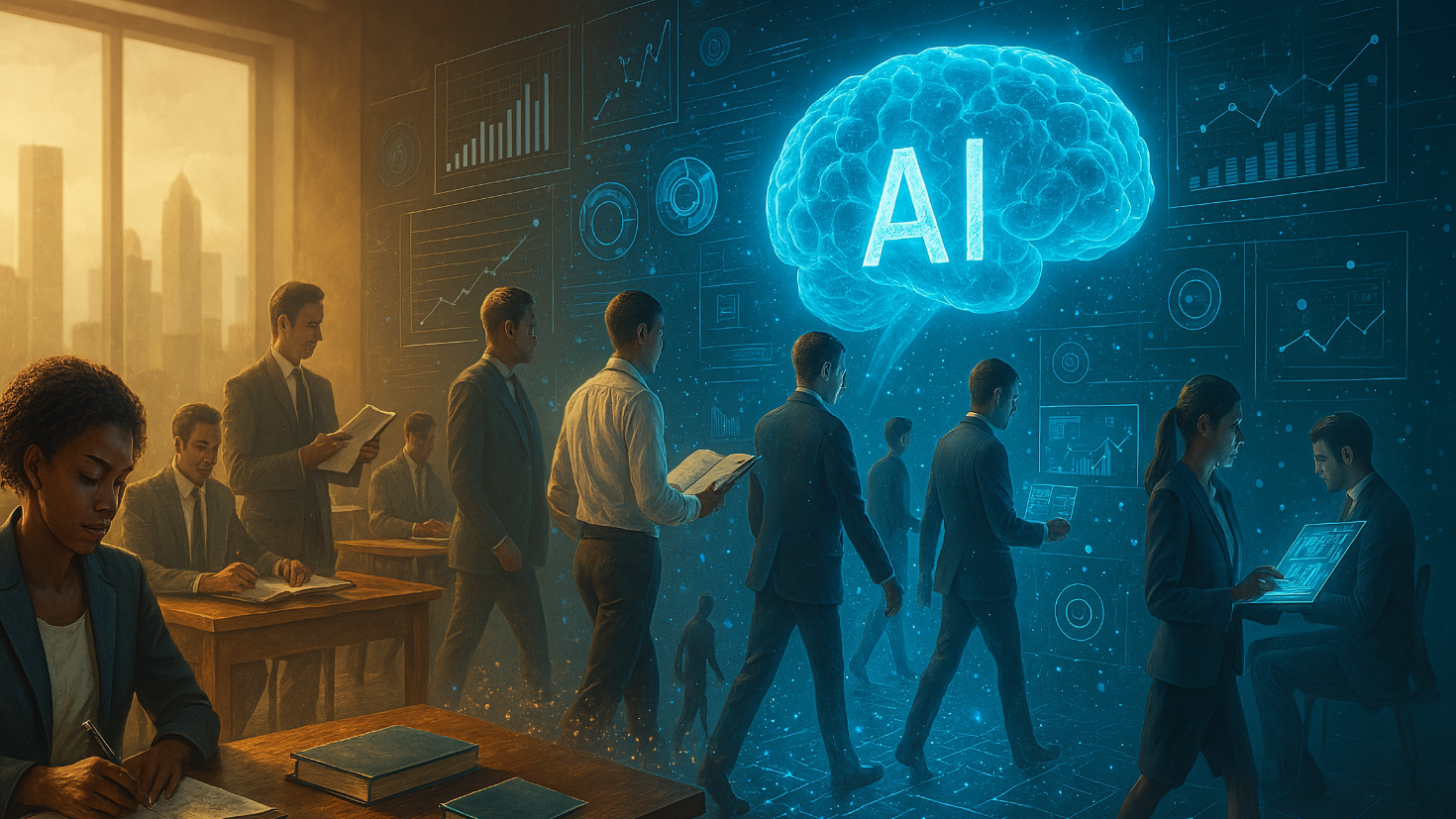
Artificial Intelligence (AI) is no longer science fiction — it’s a daily reality shaping how we live and work. From chatbots and voice assistants to self-driving cars and medical analysis, AI is transforming nearly every industry.

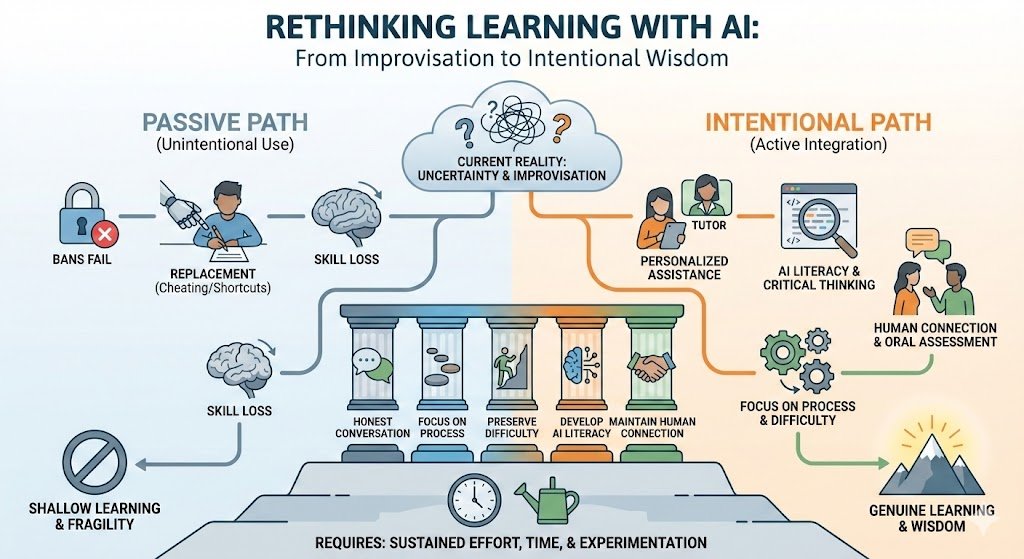
In business, AI helps companies automate processes, analyze data faster, and improve customer experiences. In healthcare, AI assists doctors with early diagnosis and personalized treatments. Even in education, smart learning tools adapt lessons to each student’s needs.

Despite its benefits, AI raises ethical questions about privacy, employment, and bias. The key lies in responsible development — ensuring that technology enhances human potential instead of replacing it.

As innovation continues, one thing is certain: AI will keep evolving. The future will depend not just on how intelligent machines become, but on how wisely humans choose to use them.

Mindful Living: How Small Habits Can Transform Your Well-Being

0

In a fast-paced digital world, mindfulness offers a refreshing pause — a way to reconnect with yourself and live intentionally. Mindful living doesn’t require drastic changes; it begins with simple habits like slowing down, observing your thoughts, and appreciating the present moment.

Practicing mindfulness can lower stress, improve focus, and boost emotional stability. Techniques like meditation, deep breathing, and gratitude journaling help cultivate inner calm even during busy days.

Beyond mental health, mindfulness influences physical well-being too. People who live mindfully often sleep better, eat more consciously, and manage their time more effectively.

It’s not about perfection — it’s about awareness. By being fully present in each moment, you create space for clarity, compassion, and balance. Mindful living reminds us that happiness isn’t found in the next achievement, but in how we experience life right now.

The Rise of Remote Work: Redefining the Modern Workplace

0

Over the last decade, remote work has transformed from a niche perk into a global movement. What began as a temporary solution during the pandemic has evolved into a permanent part of how modern businesses operate.

Companies have discovered that remote work can improve productivity, reduce costs, and attract global talent. Employees, in turn, appreciate the flexibility to balance work and personal life. This shift has led to a major change in how organizations define success — focusing more on results than physical presence.

However, remote work isn’t without its challenges. Communication barriers, loneliness, and distractions can affect performance. To counter this, successful teams invest in digital collaboration tools, regular check-ins, and clear work-life boundaries.

The future of work will likely be hybrid — combining the best of both worlds. Offices will become spaces for collaboration and creativity, while remote work will remain an option for focused, independent tasks.
This balance represents the next chapter in workplace evolution, centered on flexibility, trust, and results.

The Timeless Value of Art in Modern Society

0

In an age dominated by technology and instant communication, art remains one of the most powerful expressions of the human spirit. Whether it’s a painting, a song, or a film, art helps people connect, reflect, and understand the world in deeper ways.

Art shapes identity, inspires emotion, and preserves history. From ancient cave paintings to modern digital creations, it tells stories that words alone cannot. During difficult times, art provides hope and healing — reminding us of beauty and resilience.

Today, technology has made art more accessible than ever. Digital platforms allow artists to share their work globally, breaking down barriers of geography and language. Yet, the core of art remains unchanged: it speaks to the soul.

In every era, art reminds humanity that creativity is not a luxury — it’s a necessity. It helps us see the world not as it is, but as it could be.

The Benefits of Regular Exercise Beyond Physical Strength

0

When most people think about exercise, they imagine building muscles or losing weight. But regular physical activity offers far more — it improves mental health, boosts energy, and increases overall life satisfaction.

Exercise releases endorphins, often called “feel-good” hormones, which reduce stress and improve mood. It strengthens the heart, enhances brain function, and supports better sleep. Even light activities like walking or yoga can reduce anxiety and sharpen focus.

The key is consistency. You don’t need to spend hours at the gym — 30 minutes of daily movement can transform your health. Choosing activities you enjoy makes it easier to stick to the habit.

Ultimately, exercise isn’t about perfection; it’s about progress. It’s one of the simplest, most effective ways to achieve both physical vitality and emotional balance.

Soft Skills: The Hidden Key to Professional Success

0

In the modern workplace, technical knowledge opens doors — but soft skills keep them open. Communication, teamwork, adaptability, and emotional intelligence are increasingly valued by employers worldwide.

Unlike hard skills, which can be taught in a classroom, soft skills reflect how a person interacts and collaborates with others. A software engineer who can explain ideas clearly or a teacher who motivates students effectively demonstrates true professional maturity.

Developing soft skills involves self-awareness, empathy, and continuous practice. Listening actively, resolving conflicts, and staying open-minded help create better workplace cultures and stronger relationships.

As automation and AI reshape industries, soft skills will remain uniquely human. They can’t be replaced by technology — and that’s why they’re the foundation of lasting career growth.

The Future of Renewable Energy: Powering a Sustainable Planet

0

As the effects of climate change become more visible, the global shift toward renewable energy is accelerating. Solar panels, wind farms, and hydroelectric systems are now at the center of discussions about sustainability.

Unlike fossil fuels, renewable energy sources don’t deplete natural resources or produce harmful emissions. Countries investing in renewables not only protect the planet but also create millions of green jobs. The International Energy Agency predicts that renewables could meet 90% of global electricity demand by 2050.

While challenges such as cost, storage, and infrastructure remain, innovation continues to make clean energy more accessible. Governments, businesses, and individuals all play a role in this transition — whether by adopting solar rooftops or supporting eco-friendly policies.

The shift to renewables isn’t just a trend; it’s a necessity. The future of humanity depends on how quickly we move toward a cleaner, greener energy revolution.

The Art of Patience: Why Slowing Down Leads to Greater Success

0

In a world obsessed with speed — fast internet, fast delivery, fast success — patience has become a rare virtue. Yet, history proves that great achievements often require time, persistence, and calm determination.

Patience allows us to stay focused when results don’t appear immediately. Entrepreneurs, athletes, and artists all share one trait in common: the ability to wait and work steadily toward a vision. It teaches emotional control, reduces stress, and helps make smarter decisions instead of impulsive ones.

In relationships and work, patience builds understanding and trust. It reminds us that real growth happens gradually. As the saying goes, “The strongest trees grow slowly.”

Practicing patience doesn’t mean being passive — it means staying consistent while trusting the process. In an age of instant gratification, patience is a quiet superpower that leads to lasting success and peace of mind.