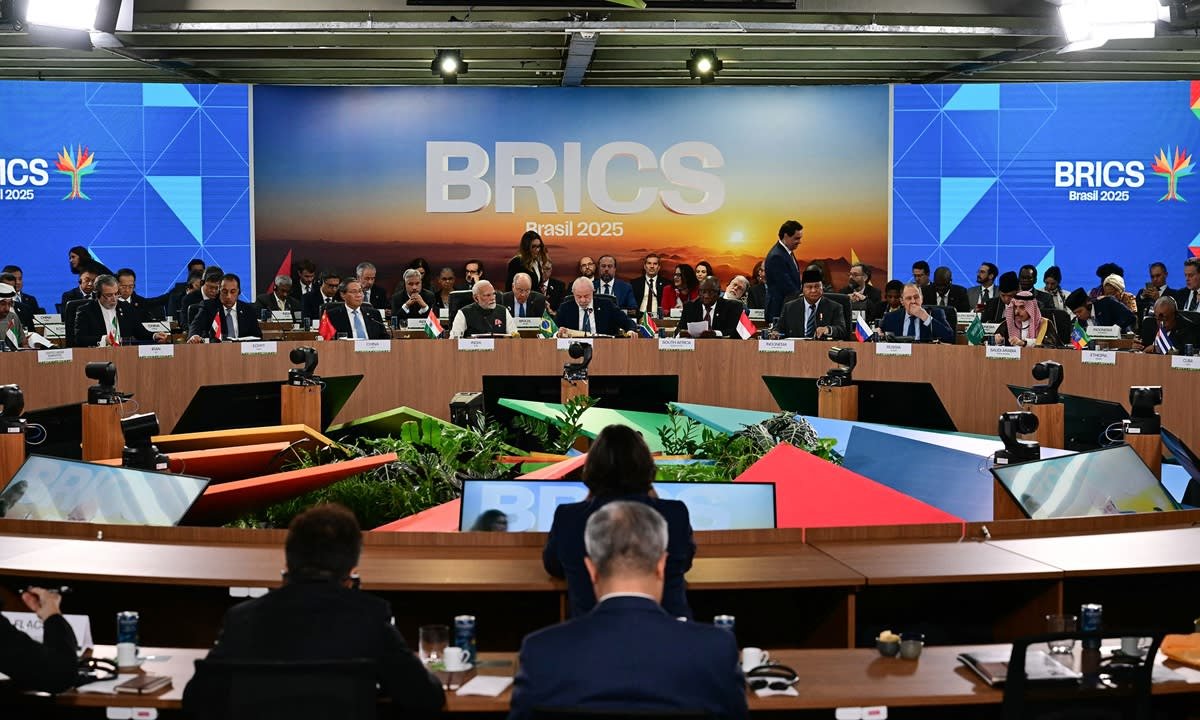
In 2026, the landscape of global alliances has shifted in a way many experts didn’t fully anticipate just a few years ago. Trade agreements, diplomatic partnerships, and strategic cooperation are no longer dominated by a handful of powerful nations. Instead, we are observing a more dynamic and interconnected global network where influence is shaped not just by economic strength, but by shared goals, regional cooperation, and cultural understanding.
At the heart of this change is a growing emphasis on mutual respect and collective problem-solving. Countries are increasingly recognizing that challenges like climate change, economic inequality, and technological disruption cannot be tackled alone. This realization has driven horizontal rather than hierarchical cooperation — where small and medium-sized nations have as much voice in policy conversations as major powers.
One vivid example is the rise of regional coalitions that prioritize economic resilience, sustainability, and technology exchange. In Asia, joint initiatives focusing on clean energy development and digital infrastructure have rapidly expanded over the past decade. These partnerships look beyond trade balances and focus on long-term human development outcomes, such as job creation, education exchange programs, and environmental stewardship.
Another significant trend is diplomacy rooted in cultural exchange. Governments now frequently sponsor arts collaborations, academic partnerships, and international youth forums as part of their foreign policy toolkits. This grassroots form of diplomacy creates people-to-people connections that strengthen relations far beyond what traditional negotiation channels can achieve.
However, emerging alliances aren’t without their tensions. In regions where political and social priorities vary widely, diplomats must balance national interests with collective goals. For instance, agreeing on trade standards or climate targets often involves compromise and a readiness to tackle domestic skepticism. Yet, these conversations reflect a growing maturity in multilateral engagement — one where transparency and negotiation are valued over unilateral decision-making.
Critically, non-governmental organizations and private sector leaders have become indispensable partners in shaping these alliances. Corporations invested in sustainable practices, philanthropic groups championing education and health, and civil society organizations advocating for human rights contribute to shaping a cooperative global agenda.
In sum, the global alliance network in 2026 underscores a broader truth: nations are learning that shared success requires shared responsibility. When countries work collectively — respecting each other’s strengths and acknowledging mutual vulnerabilities — they lay the foundation for a more stable and prosperous future. The world is no longer organized strictly by power but by potential — and the countries that embrace this are shaping a more connected world for generations to come.