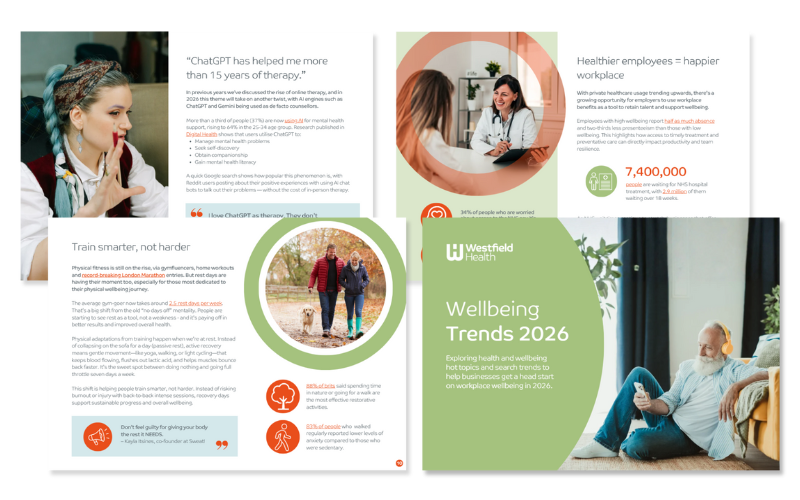
Health care has traditionally focused on treating illness — but in 2026, there’s a shifting emphasis toward community wellbeing and preventive care. This means not only addressing symptoms but also promoting wellness through everyday lifestyle choices, shared resources, and collective support systems.
One of the most powerful trends today is the rise of community health programs that go beyond clinics and hospitals. These initiatives focus on holistic care — integrating physical fitness, mental wellness, nutritional guidance, and social connection into everyday life. This approach reflects a deeper understanding that health is not just the absence of disease, but the presence of balance and fulfillment.
Communities now organize events like group walks, dance classes in public parks, wellness workshops, and educational seminars about nutrition and stress management. These gatherings aren’t just about exercise — they are about connection. People form relationships and supportive circles that reinforce healthy behaviors and reduce isolation, which is a major factor in both mental and physical health.
Mental health has also become a central part of community health conversation. Local organizations offer peer support groups, mindfulness sessions, and accessible counseling resources. These services reduce stigma and make emotional wellbeing a normal part of public dialogue. When people feel socially supported, they are more likely to seek help when they need it, and less likely to suffer in silence.
Technology plays a role too, but it complements human interaction rather than replacing it. Apps and online platforms help monitor fitness, track sleep, and provide personalized wellness insights. Telehealth makes it easier to connect with professionals, especially in underserved areas. Yet the most impactful health outcomes often come from face-to-face engagement — neighbors encouraging neighbors toward healthier routines.
Local leaders and policymakers are also paying attention. Investments in bike lanes, public gardens, shared kitchens, and safe outdoor spaces create environments where healthy living is natural and accessible. These physical changes make it easier for people to integrate wellness into daily life without extra cost or effort.
Community health initiatives prove that wellness is a shared journey, not a solitary endeavor. When people come together to celebrate healthy habits, exchange knowledge, and support one another through challenges, the entire community becomes stronger. In 2026, health isn’t just measured by medical checkups — it’s reflected in how people move, connect, support, and thrive within their communities.