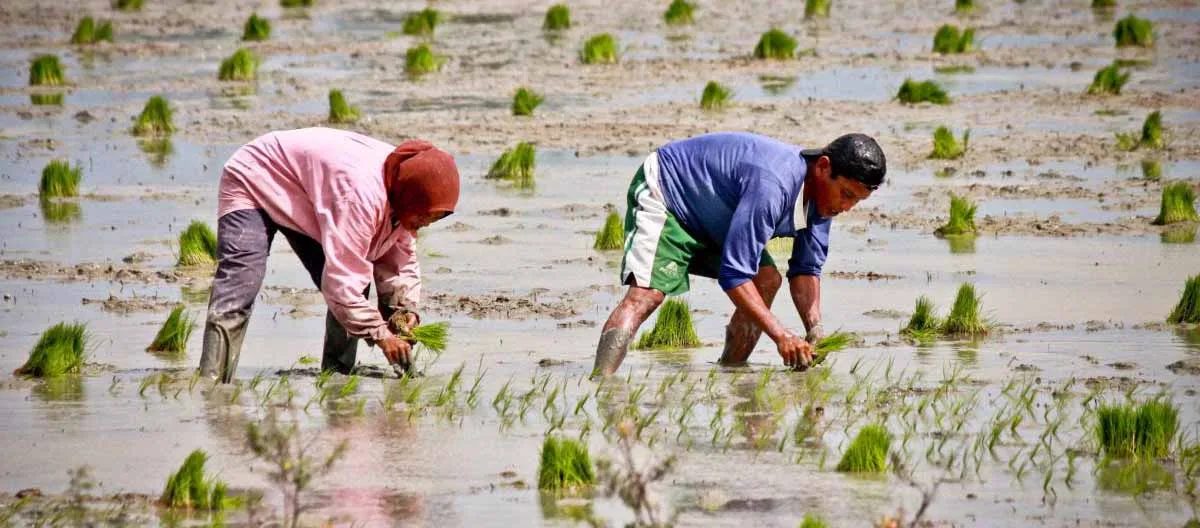
When we think of food security today, the issue goes far beyond empty plates or rising grocery bills. In 2026, food security has become a global challenge deeply connected to climate change, economic shifts, and human livelihoods. From small farms in rural regions to megacities with millions of residents, people everywhere are navigating how to ensure reliable access to nutritious food.
Climate change has reshaped growing seasons and disrupted traditional farming practices. Unpredictable rainfall, prolonged droughts, and heatwaves have put pressure on farmers to rethink how they grow crops and care for livestock. In parts of Africa and Asia, communities that once relied on predictable seasonal patterns are now adopting drought-resistant seeds and water-saving technologies. These changes are not easy — they require investment, education, and local cooperation — but they reflect a human effort to adapt rather than surrender to uncertainty.
Another modern shift is the rising role of urban agriculture. Rooftop gardens, vertical farms, and community plots are cropping up in cities where food demand is highest. These innovations help reduce transportation costs, provide fresher produce to urban families, and strengthen local food networks. In many cities, these initiatives are led by everyday people — teachers, students, retirees — who cultivate food as a shared community enterprise.
Food systems of the future are also becoming more digitally connected. Satellite imagery, mobile weather alerts, and AI-assisted planting recommendations are helping small farmers make smarter choices. Smallholder farms that once depended only on experience are now combining traditional knowledge with digital insights to increase resilience and reduce risk.
However, access to food is still uneven. Economists and aid organizations stress that economic inequality remains one of the biggest barriers to food security. Even when food is available, rising prices can put real strain on families with limited income. Communities facing this reality are using creative solutions such as cooperative grocery programs, food banks, and shared kitchen spaces that stretch household budgets while strengthening social bonds.
Policy leaders and scientists agree there is no single answer that fits every country. Real progress requires collaboration — among governments, local communities, scientists, and farmers. It means sharing techniques that work, supporting vulnerable populations, and empowering farmers with both knowledge and tools. In this interconnected world, food security isn’t just an agricultural issue — it’s a human one that touches every life, every day.