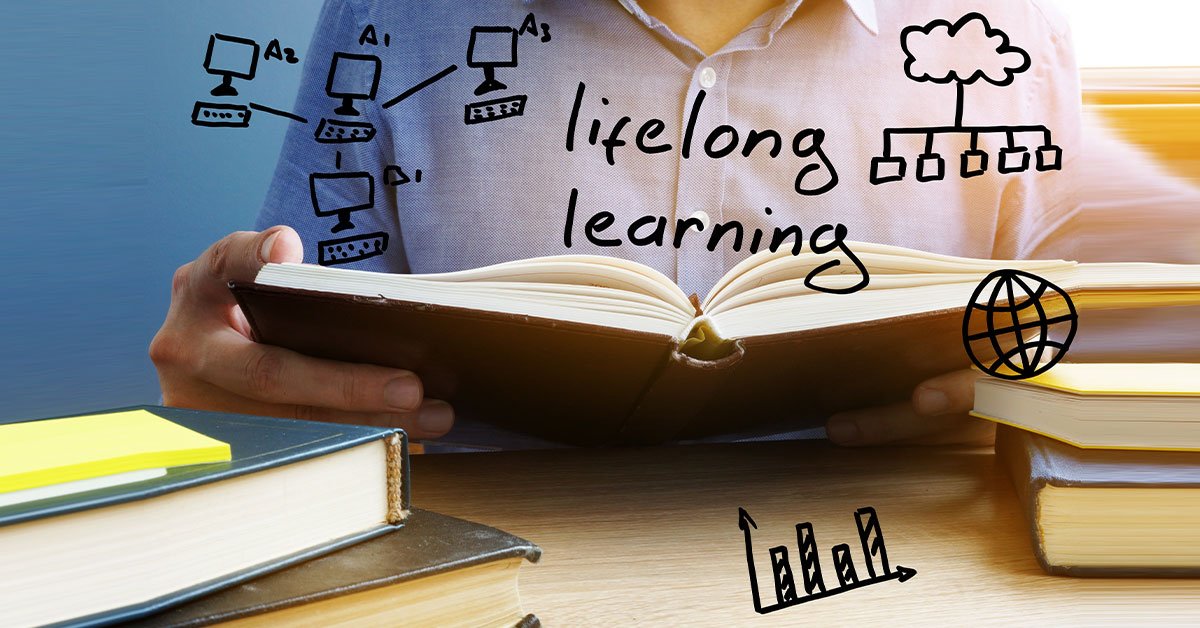
Learning no longer ends with formal schooling. In 2026, education is a lifelong journey. Adults and children alike engage in continuous learning to adapt to rapidly changing technology, industries, and societal needs.
Microlearning, online courses, and practical workshops allow people to gain new skills efficiently. Soft skills—like empathy, problem-solving, and creativity—are increasingly prioritized alongside technical knowledge. Employers seek individuals who can adapt, innovate, and collaborate.
Communities also play a role in fostering lifelong learning. Local mentorship programs, intergenerational learning hubs, and peer-to-peer knowledge exchanges create human-centered educational experiences. Curiosity becomes a shared social activity, connecting people across ages and backgrounds.
Lifelong learning in 2026 is more than skill acquisition; it is about personal growth, social engagement, and human development, equipping individuals to navigate the complexities of a fast-evolving world.