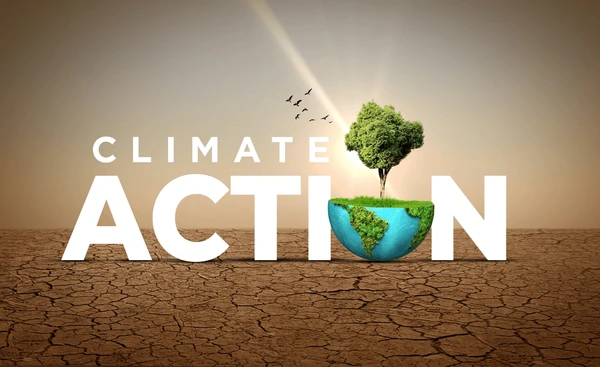
Climate change is no longer a distant threat; it’s a reality affecting millions of lives worldwide. Rising temperatures, extreme weather, and changing ecosystems are forcing communities to rethink how they live, work, and protect their livelihoods.
In rural regions, farmers are planting drought-resistant crops and using modern irrigation methods to conserve water. Coastal cities are restoring wetlands, constructing sea walls, and planting mangroves to combat flooding. Urban neighborhoods are creating rainwater harvesting systems and community gardens. These initiatives are a blend of creativity, collaboration, and human resilience.
Technology assists these efforts. Mobile apps provide real-time alerts for storms and floods, satellite data tracks environmental changes, and sensors monitor soil and water conditions. Yet, the true power comes from community-driven action, where local knowledge and collective effort create lasting solutions. NGOs, schools, and neighborhood committees are educating and mobilizing citizens, proving that change is possible when humans work together.
International collaboration also matters. Countries are sharing expertise, funding climate-resilient projects, and offering humanitarian support during disasters. Still, marginalized communities remain vulnerable. Inclusive strategies that prioritize human welfare are essential to ensure no one is left behind.
Ultimately, the story of climate adaptation in 2026 is a human story. Communities worldwide demonstrate that ingenuity, empathy, and determination can overcome even the greatest environmental challenges.