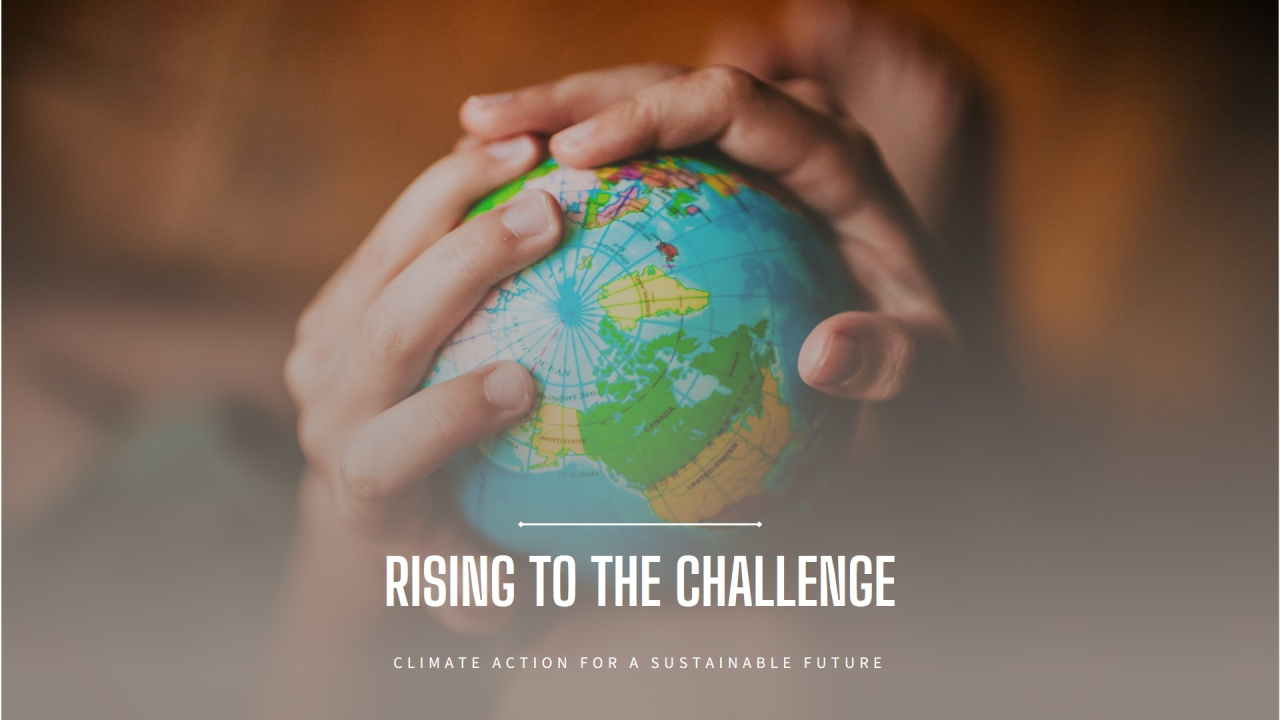
Climate change is no longer a distant concern. Across the globe, rising temperatures, floods, and droughts are disrupting communities, economies, and ecosystems. Yet in 2026, human ingenuity and resilience are providing innovative solutions.
In rural regions, farmers are adopting drought-resistant crops and water-efficient irrigation methods to protect their livelihoods. Coastal cities are restoring wetlands and planting mangroves to shield communities from rising sea levels. Urban neighborhoods are creating rainwater harvesting systems and community gardens. These initiatives reflect practical innovation combined with local knowledge and cooperation.
Technology enhances these efforts. Satellite data monitors environmental changes, mobile apps provide real-time weather alerts, and sensors track water and soil health. But it’s human leadership and community action that ensures lasting impact. NGOs, schools, and volunteers educate citizens and mobilize resources to prepare for climate challenges.
International collaboration also plays a role. Countries share expertise, fund infrastructure projects, and support vulnerable communities. Yet inequality remains a challenge—marginalized populations are often the hardest hit. Inclusive strategies ensure that adaptation benefits everyone, not just a few.
The story of climate adaptation in 2026 is ultimately a story of humanity. Communities demonstrate that with creativity, cooperation, and determination, humans can meet even the toughest environmental challenges.