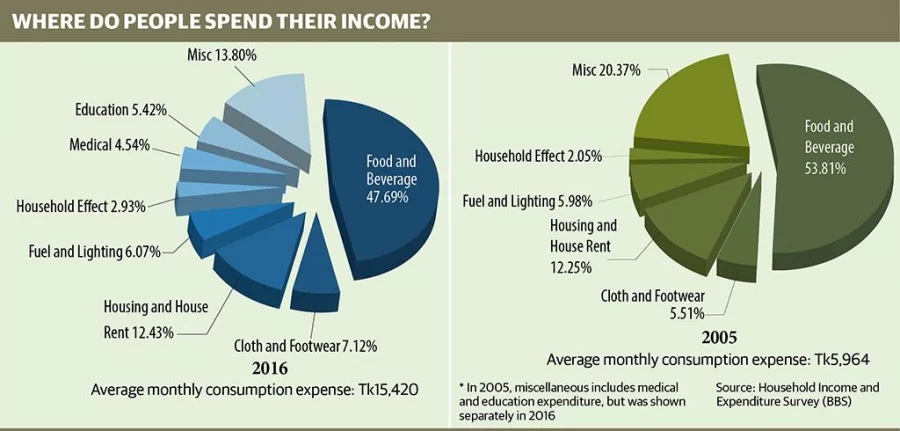
Across the world, middle-class families are facing increasing financial pressure as the cost of living continues to rise. What was once considered a stable income is now often barely enough to cover basic necessities such as housing, food, healthcare, and education. This growing strain is reshaping household priorities and long-term financial planning.
Inflation has played a central role in this shift. Prices of everyday goods have steadily increased, while wage growth has failed to keep pace in many countries. Families that previously managed savings are now dipping into emergency funds or postponing major life decisions, including buying homes, expanding families, or investing in higher education.
Housing costs remain one of the biggest challenges. In urban areas especially, rent and property prices have surged beyond affordability for average earners. Many families are forced to move farther from city centers, increasing commute times and reducing overall quality of life. Homeownership, once a symbol of stability, is becoming an unreachable goal for many young professionals.
Food expenses have also risen sharply. Supply chain disruptions, climate-related crop losses, and increased transportation costs have driven prices upward. Families are adjusting by cutting back on non-essential items, choosing cheaper alternatives, and reducing dining outside the home. These changes, while practical, affect lifestyle and well-being.
Healthcare and education costs add further pressure. In many regions, private healthcare expenses and insurance premiums are increasing. At the same time, quality education often comes with high fees, leaving parents concerned about their children’s future opportunities. Balancing present needs with future security has become a difficult task.
Despite these challenges, families are adapting in creative ways. Budgeting apps, side incomes, freelance work, and shared living arrangements are becoming more common. Financial literacy is gaining importance, with people actively seeking ways to manage debt and build resilience.
Experts suggest that long-term solutions require policy-level interventions, including fair wage growth, affordable housing initiatives, and stronger social safety nets. Until then, the middle class remains caught between rising costs and limited financial flexibility.
The situation highlights a global reality: economic stability can no longer be taken for granted, even for those who once felt secure.