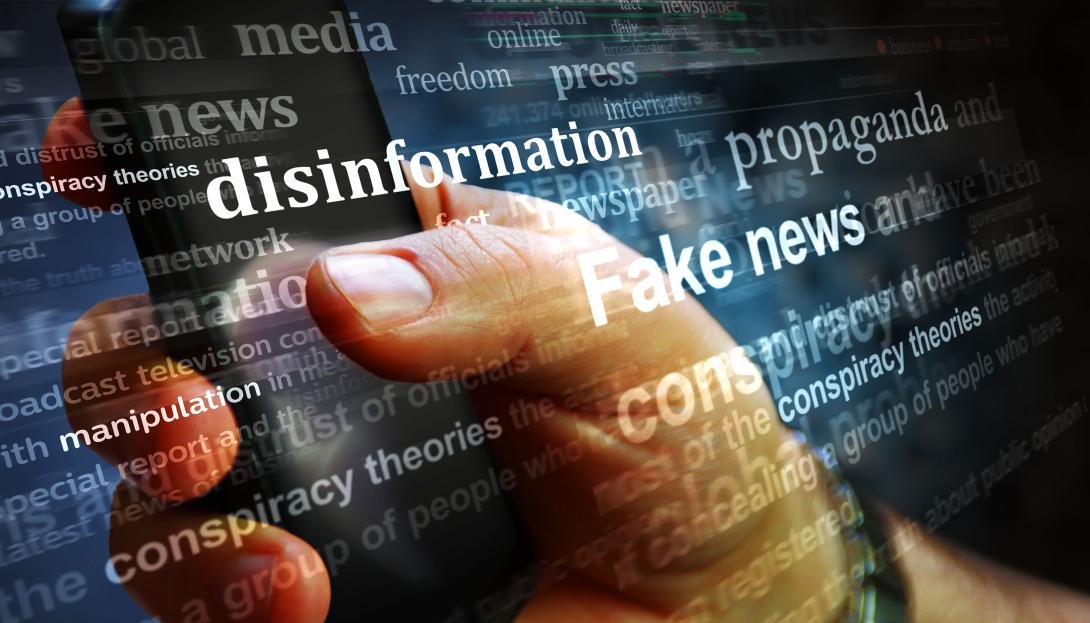
In the digital age, access to information has never been easier. News spreads instantly across social media platforms, websites, and messaging apps. However, this speed has created a serious problem: the rapid spread of misinformation, which is increasingly damaging public trust.
False or misleading information often travels faster than verified facts. Sensational headlines, emotional language, and viral content encourage sharing without verification. Many users unknowingly spread inaccurate news, believing they are staying informed or helping others.
One major concern is the impact on public decision-making. Misinformation related to health, elections, and global events can influence opinions and behaviors in harmful ways. When people cannot distinguish between credible journalism and fabricated content, confusion replaces clarity.
Social media algorithms contribute to the issue. Platforms prioritize engagement, often promoting content that generates strong reactions. Unfortunately, misinformation frequently triggers fear or anger, making it more likely to appear in users’ feeds. Over time, this creates echo chambers where false narratives are repeatedly reinforced.
Journalism itself is also affected. Trusted news organizations face declining credibility as audiences struggle to separate professional reporting from unverified sources. This erosion of trust weakens the role of journalism in holding institutions accountable and informing the public accurately.
Governments and technology companies are attempting to respond. Fact-checking initiatives, content moderation, and digital literacy campaigns are being introduced worldwide. While these efforts help, they also raise concerns about censorship and freedom of expression, making regulation a complex challenge.
Individuals play a crucial role in addressing the problem. Simple actions such as verifying sources, reading beyond headlines, and avoiding emotional sharing can significantly reduce the spread of false information. Media literacy is becoming an essential skill, not just for journalists but for everyone.
The fight against misinformation is not about limiting access to information—it is about protecting truth. As digital spaces continue to dominate public discourse, restoring trust requires responsibility from platforms, governments, media organizations, and users alike.