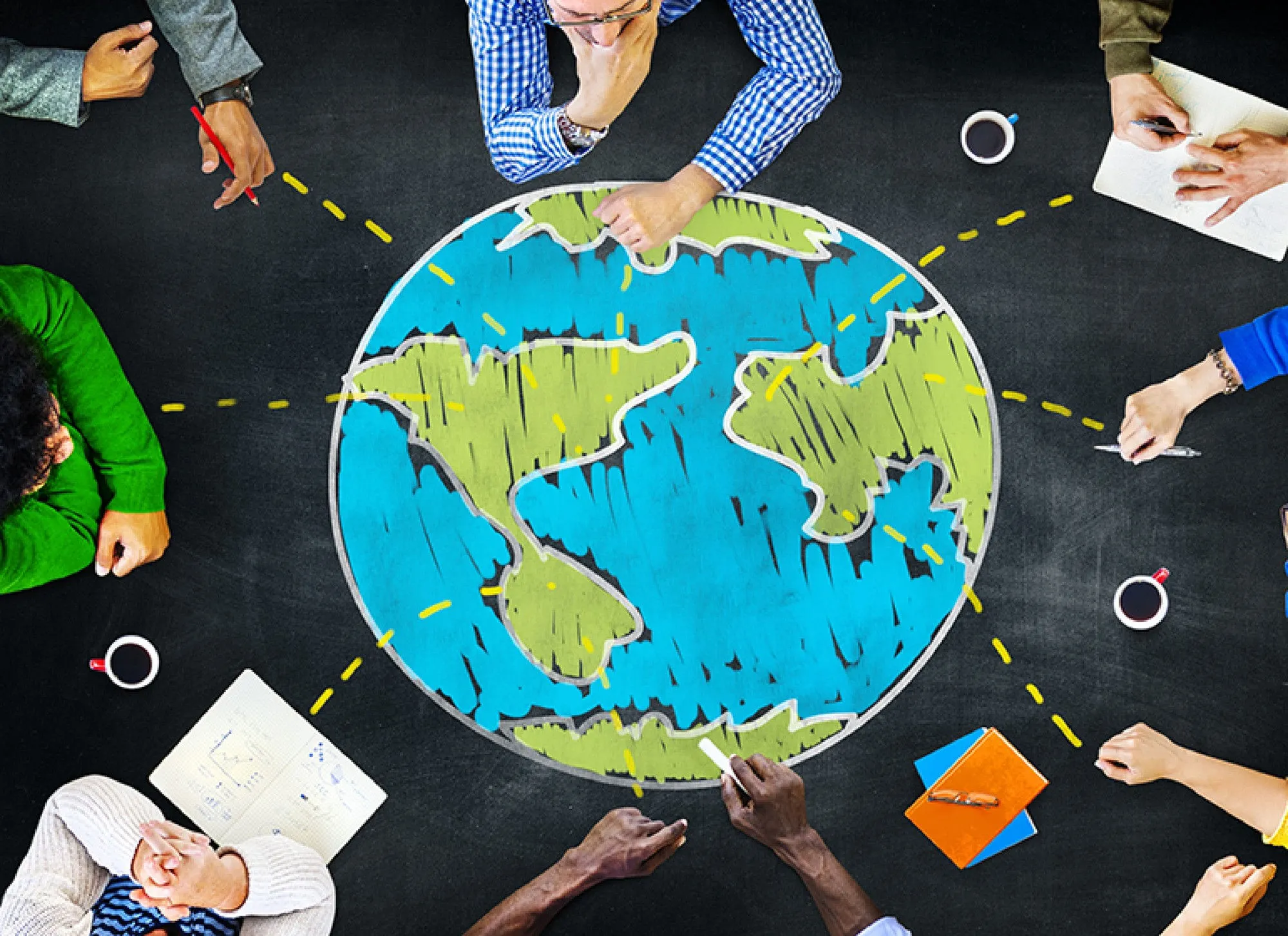
In 2026, diplomacy has shifted from traditional negotiation rooms to more inclusive and collaborative forums. Once dominated by power plays between a handful of major nations, global relations today reflect a broader network of voices, from smaller economies to regional alliances, working together to tackle shared challenges like climate, health crises, migration and economic instability.
One of the biggest signs of this shift is how international cooperation on climate change has matured. Previously, global talks produced ambitious statements followed by slow implementation. Now, countries are pairing agreements with practical, measurable targets. Renewable energy projects scaled up across Asia and Africa are projected to reduce carbon emissions while creating thousands of jobs, showing that environmental goals and economic benefits can go hand in hand.
Economic diplomacy also looks different. Supply chains weakened during recent global disruptions have compelled nations to diversify partnerships, emphasizing regional resilience. Southeast Asian and African economies, for example, are increasingly linking production networks not just to global markets but to one another, creating a web of interdependence that supports stability rather than competition.
Migration, too, has become a central topic in diplomatic discourse. Rather than framing movement as a threat, many countries are recognizing that migration can be a meaningful contributor to growth when managed humanely. Joint education programs, skills exchange initiatives, and coordinated labor policies are helping migrants integrate into communities in ways that benefit both origin and destination countries.
Despite these advances, tensions remain. Long-standing disputes, resource scarcity, and geopolitical rivalries still present hurdles to seamless cooperation. What is new in 2026, however, is a greater recognition that unilateral action yields limited success. Nations increasingly understand that addressing global problems — whether pandemics, climate impacts, or economic disruption — requires shared commitment and accountability.
Public engagement has become part of this diplomatic evolution as well. Civil society groups, youth ambassadors, and community organizations are now regular participants in forums once limited to state actors. Their presence ensures that policy reflects ground-level realities, not just abstract strategy.
In many ways, diplomacy in 2026 reflects an evolving human story: one where nations acknowledge their interconnected futures and choose collaboration over isolation. It doesn’t mean all conflicts are resolved, but there is a broader platform for dialogue, understanding, and shared problem-solving than ever before.