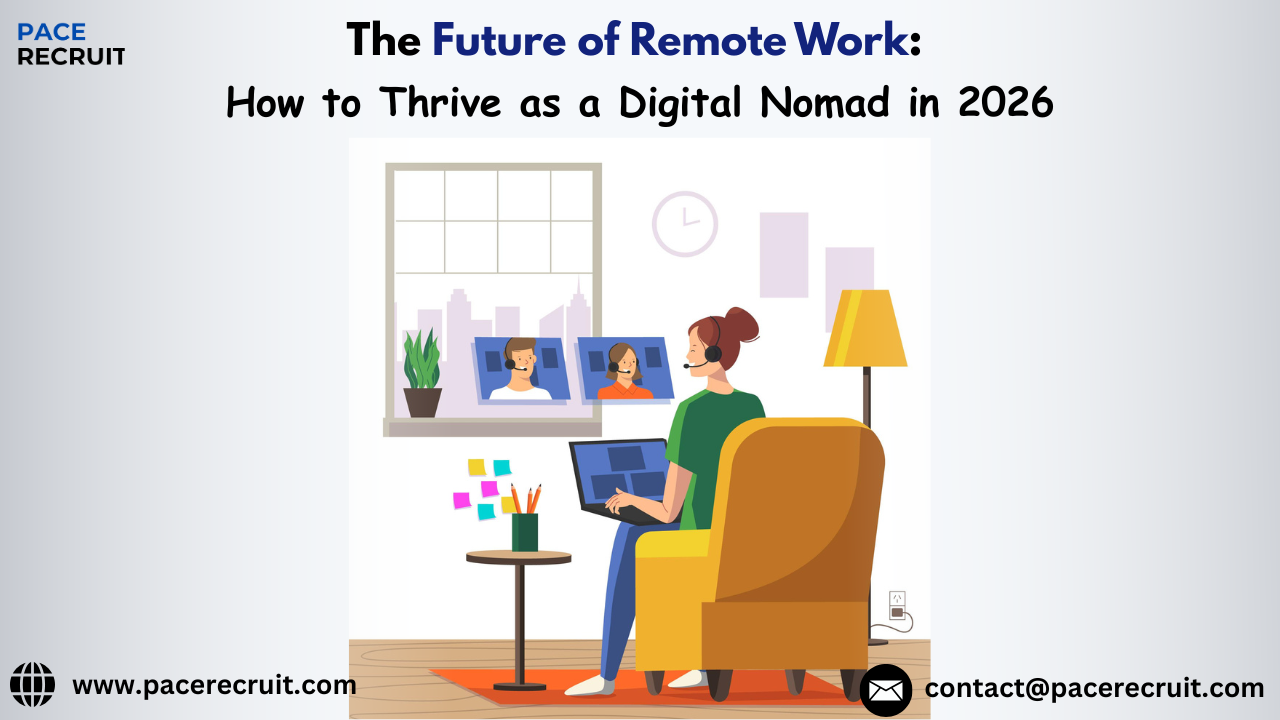
Remote work has matured from a temporary trend into a worldwide shift in how people live and work. In 2026, it has changed not just where we work, but how we think about career, community, and balance.
For many professionals, remote work means freedom and flexibility. Parents are able to attend school events without rushing off; young people living far from urban centers now find competitive jobs without relocating; and people with disabilities find more accessible work environments. These shifts have opened doors that were previously closed — not just because of technology, but because people demanded workplaces that respect life outside work.
Yet life as a remote worker isn’t always simple. Many who work from home describe fluctuating boundaries between hours of work and hours of rest. Some workers feel isolated from colleagues they used to see in person. In response, companies are experimenting with new approaches to maintain human connection — such as monthly in-person meetups, team retreats, and “collaboration hubs” where small groups work together during project sprints.
Communities too are adapting. Local coworking spaces are emerging in small towns and suburbs — places where neighbors can work, exchange ideas, and build shared social routines. These places often host events like workshops, networking nights, and project showcases that emphasize community learning rather than competition.
Another powerful outcome of the remote work revolution is the emphasis on output over hours. Managers increasingly assess success based on what is produced — not how long someone sits at a desk. This shift has humanized performance measurement and encouraged a healthier focus on purpose and meaningful contribution.
Still, not all challenges are solved. Reliable internet access, equitable compensation across regions, and maintaining team culture require ongoing innovation. Many businesses and workers are finding that open communication, empathy, and flexibility are just as important to success as advanced technology.
Ultimately, the new era of remote work is a human story — one about how people choose to live intentionally, align work with values, and craft careers that fit within the broader tapestry of life. In 2026, work is not a place you go — it’s an experience you shape, one human connection at a time.