The days when a diploma guaranteed lifetime success are long behind us. In 2026, learning has become a continuous journey, where gaining new skills, adapting to change, and staying intellectually curious are essential parts of personal and professional life.
This shift is driven by several major forces. First, technological change happens quickly — digital tools evolve, new industries emerge, and job roles transform at a pace that makes static knowledge obsolete almost as soon as it’s learned. Second, the global economy increasingly rewards flexibility and innovation over rote memorization. Companies today look for creative problem-solvers, adaptable thinkers, and people who can communicate across teams and cultures.
As a result, lifelong learning — the idea that education doesn’t stop after formal schooling — has gained real traction. It isn’t just about taking online classes or earning certificates. It’s a mindset of ongoing growth, exploration, and refinement of one’s skills over time.
Today’s learners pursue knowledge in many ways. Some enroll in micro-credential programs that focus on specific competencies, like data analysis or strategic communication. Others participate in hands-on workshops, boot camps, or industry-sponsored training programs that prepare them for emerging fields such as renewable energy, digital marketing, or human-centered design.
Technology supports this trend by making learning accessible and personalized. Adaptive learning platforms tailor content to individual strengths and areas for improvement, allowing learners to progress at their own pace. Because this learning can happen anywhere — on a phone, laptop, or tablet — education fits into real lives rather than requiring major schedule overhauls.
Another important shift is how employers view learning. Many companies now support continuous education by offering tuition assistance, flexible schedules, and internal mentorship programs. Employees who participate in ongoing learning are often more motivated, more productive, and better prepared for leadership roles — which benefits both the individual and the organization.
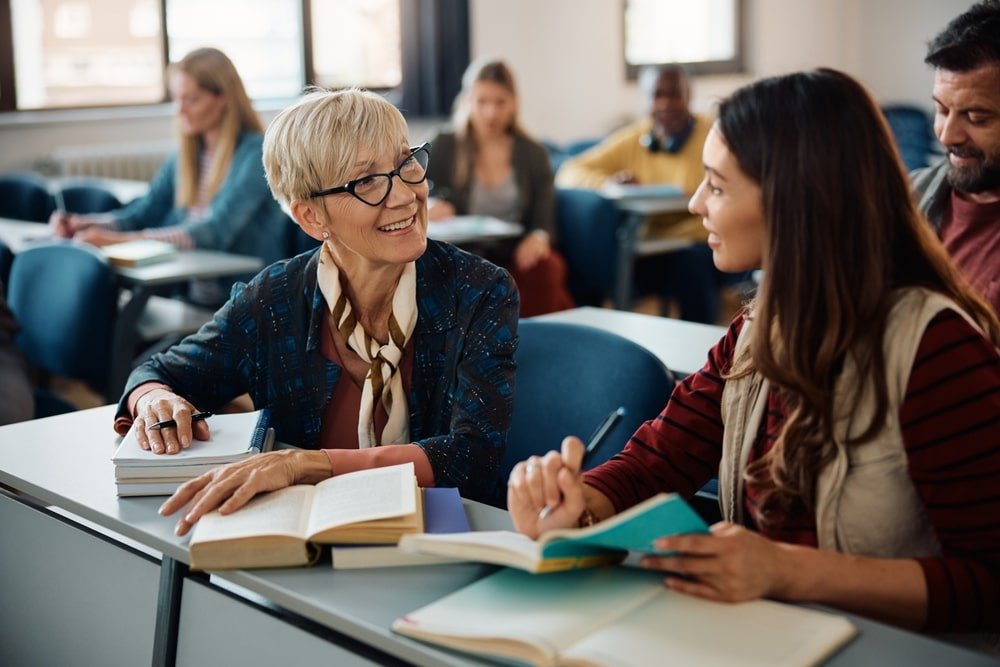
Learning communities have also formed beyond classroom walls. People join study groups, professional forums, and collaborative networks where ideas are shared and expertise grows through conversation. This social aspect of learning fosters connection and shared achievement, making growth a collective experience rather than a solitary task.
Perhaps the most human aspect of this movement is how it reflects our natural curiosity. People want to explore new interests, deepen their understanding, and apply knowledge in meaningful ways. Lifelong learning in 2026 is about more than careers — it’s about enriching lives with purpose and possibility.