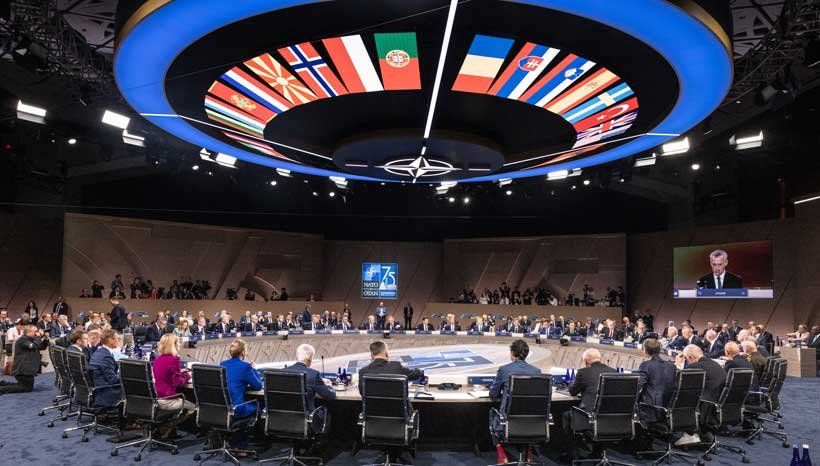
The global political landscape is undergoing a transformation unlike anything witnessed in recent decades. Traditional power centers are facing new challengers, regional alliances are shifting, and international diplomacy is becoming increasingly complex. These changes are not isolated events but part of a larger rebalancing of influence that will shape the world’s political and economic direction for years to come.
For much of the late twentieth and early twenty-first century, global leadership followed a relatively predictable pattern. Western economies, particularly the United States and major European nations, held dominant roles in finance, technology, military strength, and global institutions. That model is now evolving as emerging economies assert their influence across trade, technology, infrastructure, and geopolitics.
China’s rapid economic growth has been a central driver of this transformation. Through large-scale investments, global trade initiatives, and expanding technological development, China has positioned itself as a major force in international decision-making. At the same time, India’s expanding economy and youthful workforce are attracting global attention, while nations in Southeast Asia, Africa, and Latin America are strengthening regional cooperation and investment capacity.
These shifts are changing how international partnerships are formed. Instead of rigid alliances based on historical ties, countries are now building flexible networks based on shared economic interests, security concerns, and technological collaboration. This approach allows nations to adapt quickly as global conditions change but also creates uncertainty when relationships become transactional rather than strategic.
Economic power is no longer measured solely by GDP. Control over supply chains, access to critical resources, technological leadership, and influence within international institutions now play equally important roles. Countries that invest in innovation, education, and infrastructure are gaining long-term advantages in this new system.
However, the transition is not without tension. Trade disputes, regional conflicts, and political instability continue to surface as nations adjust to changing realities. Competition over energy, water, data, and advanced technologies is intensifying, raising concerns about future conflict if diplomatic mechanisms fail to keep pace with these pressures.
Climate change is further reshaping geopolitics. Environmental challenges are driving cooperation in some regions while fueling disputes in others. Nations that can manage environmental transitions effectively will likely gain economic and diplomatic leverage in the coming decades.
For ordinary citizens, these global shifts influence everything from job markets and energy prices to travel opportunities and technological access. The world is becoming more interconnected, but also more complex.
The next decade will not be defined by one dominant power but by a multipolar system where influence is distributed across regions and institutions. Navigating this evolving order will require diplomacy, cooperation, and a willingness to rethink old assumptions about leadership and security.