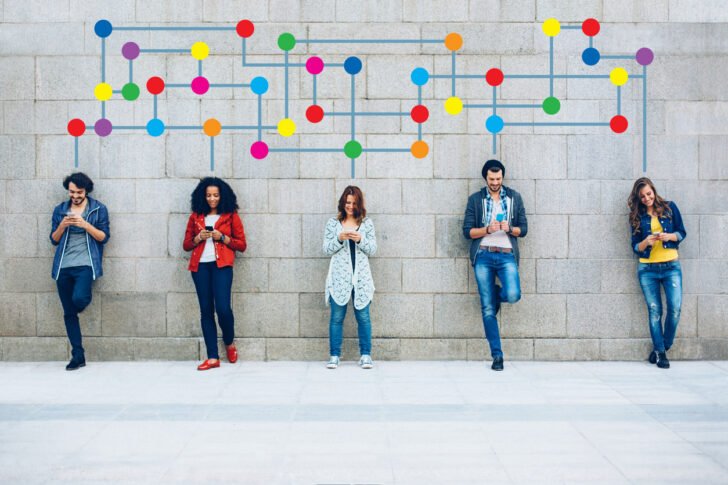
Digital culture has transformed the way people interact, learn, and express identity. Online communities now influence opinions, careers, relationships, and even political movements.
Unlike traditional social structures, digital communities form around shared interests rather than geography. Artists, entrepreneurs, activists, and hobbyists connect across borders, exchanging ideas and building support networks that transcend physical limitations.
These spaces provide belonging for individuals who might otherwise feel isolated. They also amplify voices that once struggled to be heard.
However, digital culture also introduces challenges such as misinformation, online conflict, and emotional burnout. Navigating this environment requires digital literacy, emotional resilience, and responsible communication.
As society adapts, online communities will continue shaping human interaction in powerful ways.