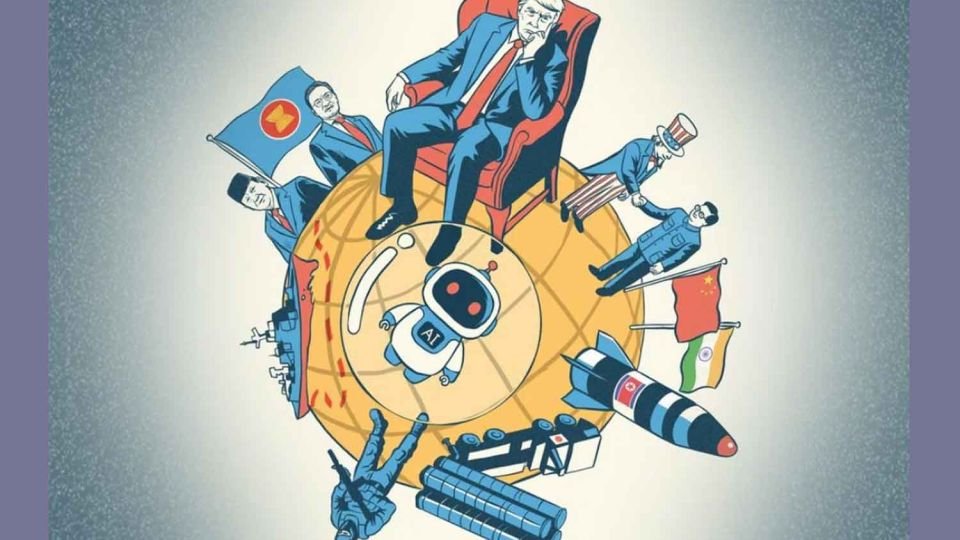
Global diplomacy in 2026 feels very different from what it once was. While traditional powers like the United States and Europe continue to hold influence, a rising cohort of Asian nations are asserting themselves more confidently on the global stage. Whether negotiating trade agreements, mediating conflicts, or shaping international policy, the shift is unmistakable.
One defining feature of this diplomatic evolution is how Asian countries are focusing on mutual benefit rather than unilateral advantage. In past decades, power dynamics tended to favor the world’s strongest military or economic actors. Today, nations such as India, Indonesia, and Japan are championing a collaborative approach — one that emphasizes regional stability, infrastructure development, and shared economic growth. These efforts are reflected in partnerships with Africa, the Middle East, and even Latin America, as strategic alliances expand beyond traditional borders.
A central part of this shift is economic diplomacy. Many Asian policymakers are leveraging economic tools — such as direct investments, shipping agreements, renewable energy cooperation, and technology transfers — to build influence. Instead of relying solely on military presence or political declarations, economic interdependence is emerging as one of the strongest forces in international relations. For example, initiatives to support digital infrastructure in emerging markets not only build goodwill but also create practical connections that benefit all parties involved.
Another major theme is conflict mediation. Earlier eras were dominated by superpower standoffs and polarized alliances. In contrast, today’s diplomatic efforts often aim to de-escalate regional tensions through dialogue and negotiation rather than coercion. Countries with shared cultural or economic interests are playing broker roles, offering neutral ground for peace talks and cooperative frameworks. This doesn’t mean conflict has disappeared — far from it — but the mechanisms for resolution are broader and more inclusive than merely military deterrence.
Of course, the transition isn’t without challenges. Differences in political systems, economic priorities, and cultural values can create friction. Many Asian nations still balance their relationships carefully — maintaining partnerships with Western powers while nurturing regional alliances. This dual track requires both finesse and strategic foresight.
Yet, what stands out most in 2026 is the intentionality behind these diplomatic efforts. It isn’t power for its own sake. There’s a growing recognition that long-term prosperity depends on stable, equitable relationships across continents. In a world facing climate change, supply chain volatility, and technological disruption, cooperation rather than competition is proving to be both the pragmatic and promising path forward.