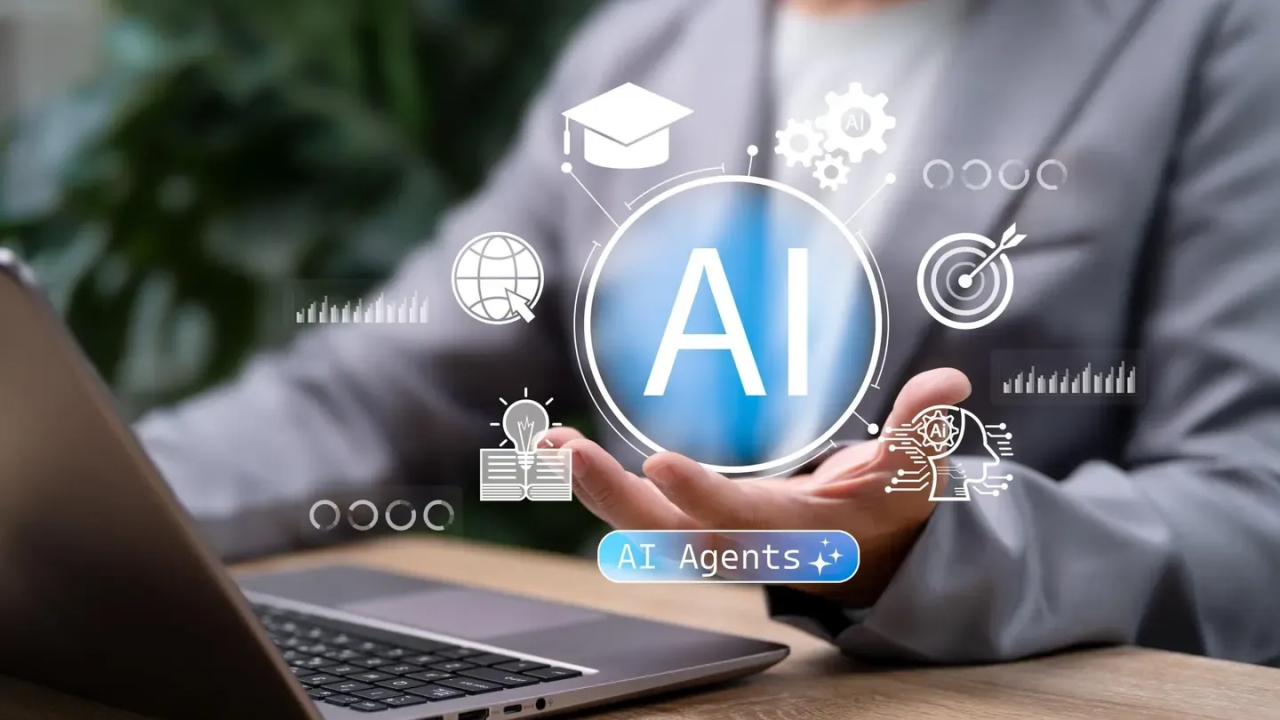
In 2026, education is no longer just about memorizing facts — it’s about nurturing human potential. Around the world, educators, parents, and policymakers increasingly agree that the most valued competencies are not merely academic knowledge, but the human skills that technology cannot replace: creativity, critical thinking, empathy, and adaptability.
One of the most visible shifts in modern classrooms is the embrace of project-based learning. Rather than traditional rote memorization, students are tackling real-world problems in collaborative settings. These projects ask learners to combine analytical thinking with emotional insight, requiring them to communicate effectively and work as a team. Students aren’t just learning what to think — they’re learning how to think.
Technology plays an important role, but its purpose has changed. Instead of replacing teachers or automating learning entirely, tech tools are now used to enhance personalization. Adaptive learning platforms help students progress at their own pace, while interactive simulations bring complex subjects to life. These advances free educators to focus on guiding students in interpretation, judgment, and ethical reasoning — areas where human oversight remains essential.
Equally notable is the increased emphasis on lifelong learning. Rather than viewing education as something that ends with formal schooling, individuals now engage in continuous skill development throughout adulthood. This shift reflects a job market that evolves rapidly, demanding workers who can learn, unlearn, and relearn in response to shifting industrial needs.
There’s also a deeper cultural transformation underway. Schools are placing greater value on emotional intelligence, mindfulness, and social responsibility. Students are encouraged to develop empathy and ethical reasoning as part of their core curriculum — not as add-ons, but as central pillars of holistic education. These elements prepare learners not only for professional success but also for community participation and global citizenship.
In essence, education in 2026 is embracing complexity, diversity, and humanity. It’s about preparing individuals to contribute meaningfully to a world that prizes connection as much as cognition. And as learning continues to evolve, the human skills that underpin authentic understanding will only grow more indispensable.