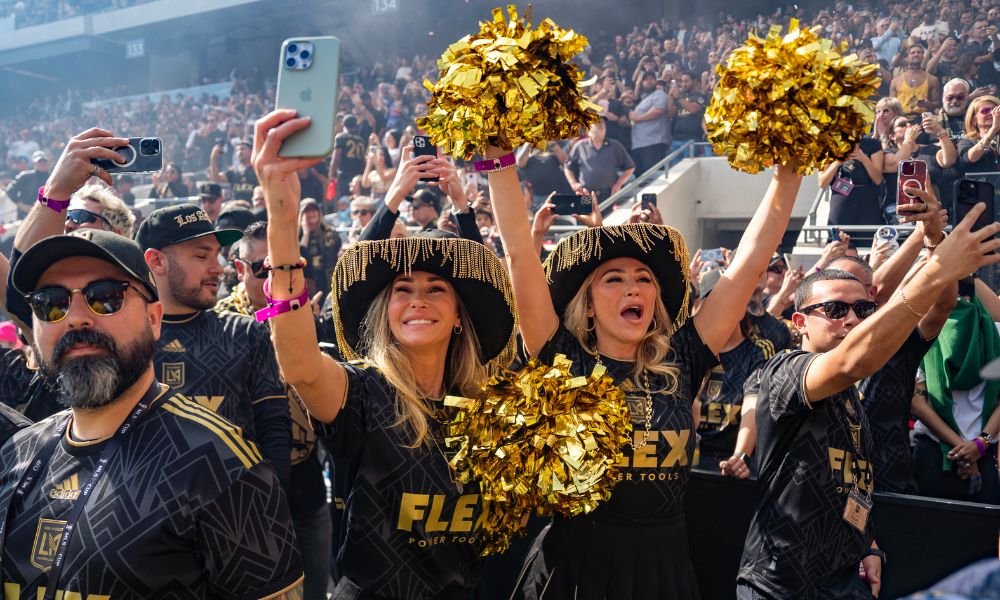
Sports fandom in 2026 is deeply personal, interactive, and globally connected. Gone are the days when fans simply watched games on television — today’s sports supporters live and breathe every moment through immersive experiences and real-time interaction.
One of the biggest drivers of this transformation is social media. Fans now follow their favorite teams, athletes, and events across multiple platforms — sharing insights, predictions, emotions, and celebrations with fellow supporters worldwide. This digital connection amplifies the intensity and vibrancy of sports culture, making it one of the most dynamic facets of modern life.
Live events themselves have evolved. Stadiums have become interactive entertainment hubs, where fans engage with augmented reality features, instant replays on their devices, and live community challenges during breaks. These innovations do more than entertain — they transform passive viewing into active participation.
The athletes themselves are part of this shift. Many now communicate directly with fans through personal channels, sharing behind-the-scenes moments, training regimens, and personal reflections. This authenticity strengthens the connection between sportsperson and supporter, making fandom feel more exclusive and personal.
Yet while technology drives many of these changes, the heart of sports fandom remains fundamentally human — pride in achievement, emotional investment in outcomes, and the shared joy of collective celebration. Whether watching a championship game from thousands of miles away or cheering in a packed stadium, fans across the world are united by the timeless thrill of competition.
In 2026, sports fandom reflects both innovation and tradition — a testament to how people connect through passion, perseverance, and shared experience. Each game is not just a contest, but a story unfolding in real time, and every fan a part of that story.