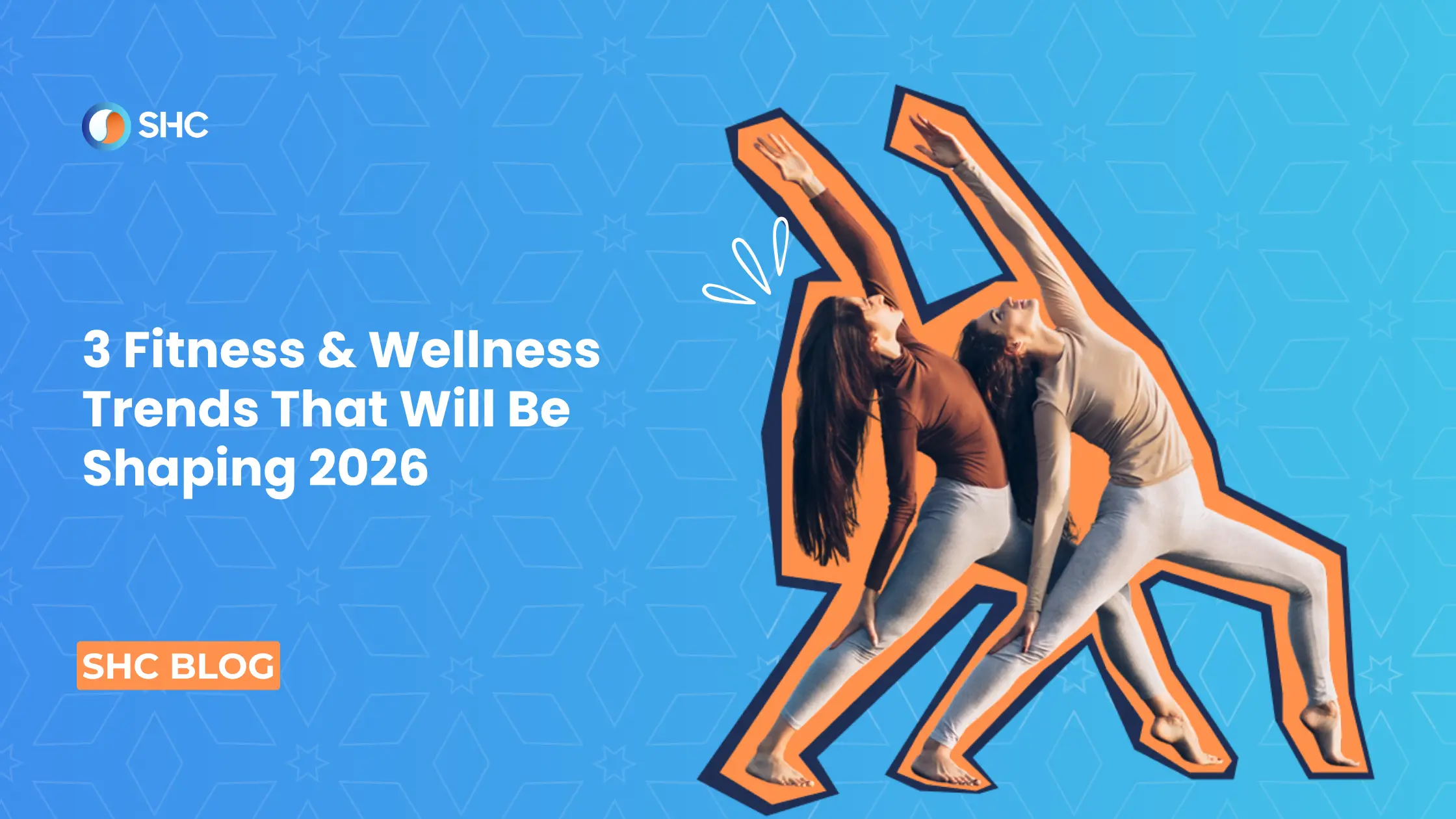
Health in 2026 has moved far beyond the doctor’s office. Across the world, communities are creating wellness programs that focus on holistic wellbeing — including physical health, emotional balance, and social connection. Rather than waiting for illness to occur, people are now actively participating in preventive measures, building healthier lifestyles through grassroots movements and collective effort.
One of the most powerful trends has been the rise of community fitness initiatives. Neighborhood walking groups, free exercise classes in public parks, and local cycling clubs not only boost physical activity but also strengthen social ties. People exercise together, share progress, and celebrate small victories — which makes health a shared experience rather than an individual task.
Mental wellbeing is another area where communities have made significant progress. Support circles, art therapy workshops, and mindfulness gatherings have become common in many cities and towns. These spaces allow people to discuss stress, life changes, and emotional health without judgment — often with guidance from trained facilitators. The result? A sense of belonging that improves overall resilience and reduces feelings of isolation.
Nonprofits and local governments are collaborating to expand access to wellness resources in underserved neighborhoods. Mobile health clinics, community gardens, and wellness fairs bring health education and services directly to people’s doorsteps. These efforts make it easier for individuals to monitor blood pressure, learn about nutrition, or even participate in health screenings without long waits or travel.
What makes these programs especially effective is their human focus. Rather than treating health as a series of prescriptions and appointments, they meet people where they are — physically, emotionally, and socially. Neighbors encourage one another to quit smoking, try a new sport, or join a meditation group. These personal connections become the real engine behind long-term change.
Healthcare professionals are also adapting to this shift. Doctors, nutritionists, and therapists often collaborate with community organizations, blending clinical expertise with local insights. This holistic approach ensures that health advice is relevant, accessible, and culturally sensitive to the people it serves.
The transformation we see isn’t just about better health outcomes — it’s about new ways of living together. In 2026, wellness is a collective journey, and communities are proving that when people support one another, healthy living becomes not just achievable but joyful.