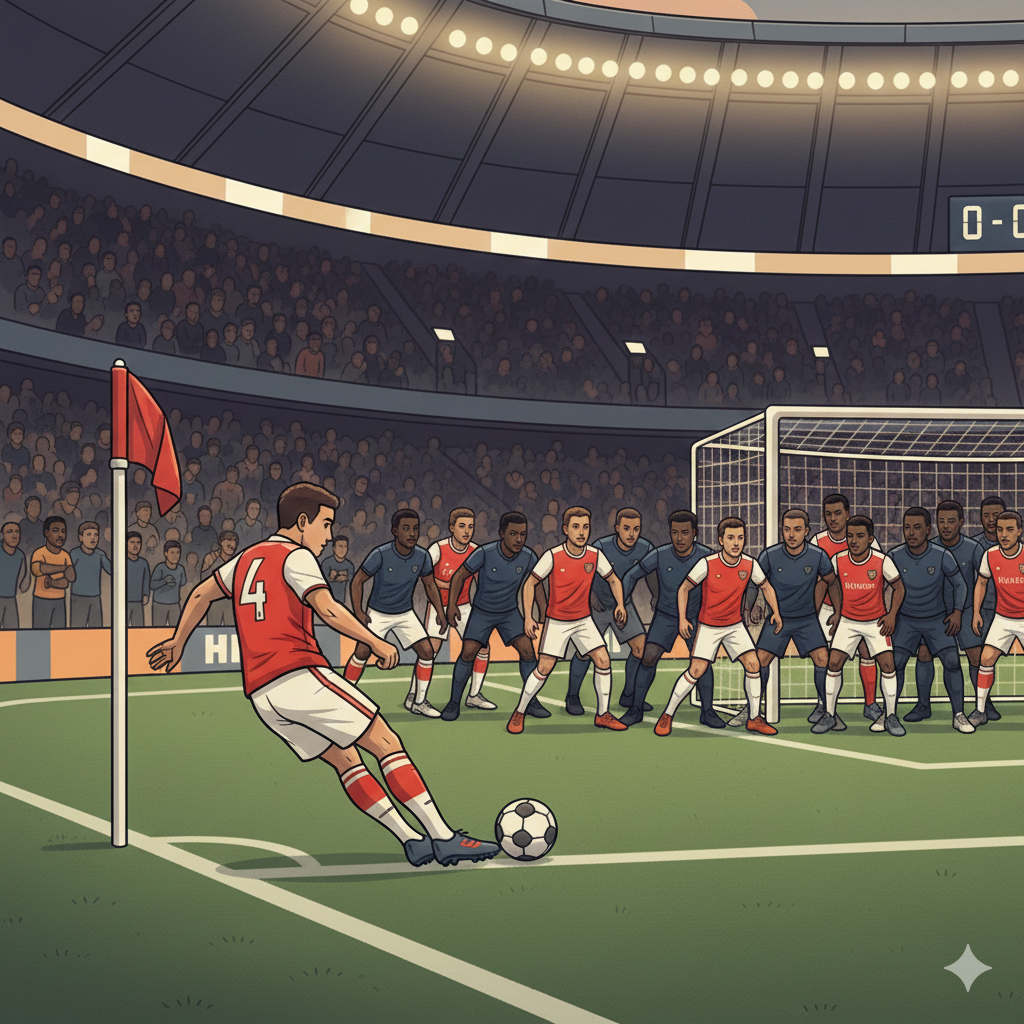
Football has always been a game of passion, skill, and unpredictability. However, in recent years, the sport has undergone a noticeable transformation. Modern football is no longer driven by talent alone—it is increasingly shaped by tactics, data, and strategic planning.
In earlier eras, individual brilliance often decided matches. A single star player could dominate the game and change its outcome. While star players still matter, today’s football emphasizes structured systems and team coordination. Coaches now spend countless hours analyzing opponents, planning pressing patterns, and adjusting formations based on match situations.
One major reason for this shift is data analytics. Clubs at all levels now rely on advanced statistics to assess player performance, fitness, and positioning. Metrics such as distance covered, pressing intensity, and passing accuracy help coaches make informed decisions. This data-driven approach reduces guesswork and increases consistency.
Another key factor is physical conditioning. Modern footballers are faster, stronger, and more disciplined than ever before. High-intensity pressing systems require players to maintain peak fitness throughout the season. Tactical discipline ensures that teams move as a unit, minimizing gaps and defensive errors.
The role of managers has also evolved. Coaches are no longer just motivators; they are strategists. In-game adjustments, such as changing formations or tactical roles, often decide matches. A well-prepared team can neutralize more talented opponents through intelligent positioning and teamwork.
Defensive organization has improved significantly. Teams now defend collectively, starting from the forwards. Pressing triggers, compact shapes, and coordinated movement make it harder for opponents to find space. This has reduced the number of open, chaotic matches seen in the past.
However, some fans argue that excessive tactics reduce creativity and spontaneity. Matches can feel controlled and cautious, especially at the highest level. Still, moments of brilliance remain—only now, they often emerge within structured systems rather than individual freedom.
Modern football reflects the evolution of the sport itself. As competition increases and margins become smaller, tactical intelligence has become just as important as raw talent. The beautiful game is still beautiful—it’s just smarter than before.