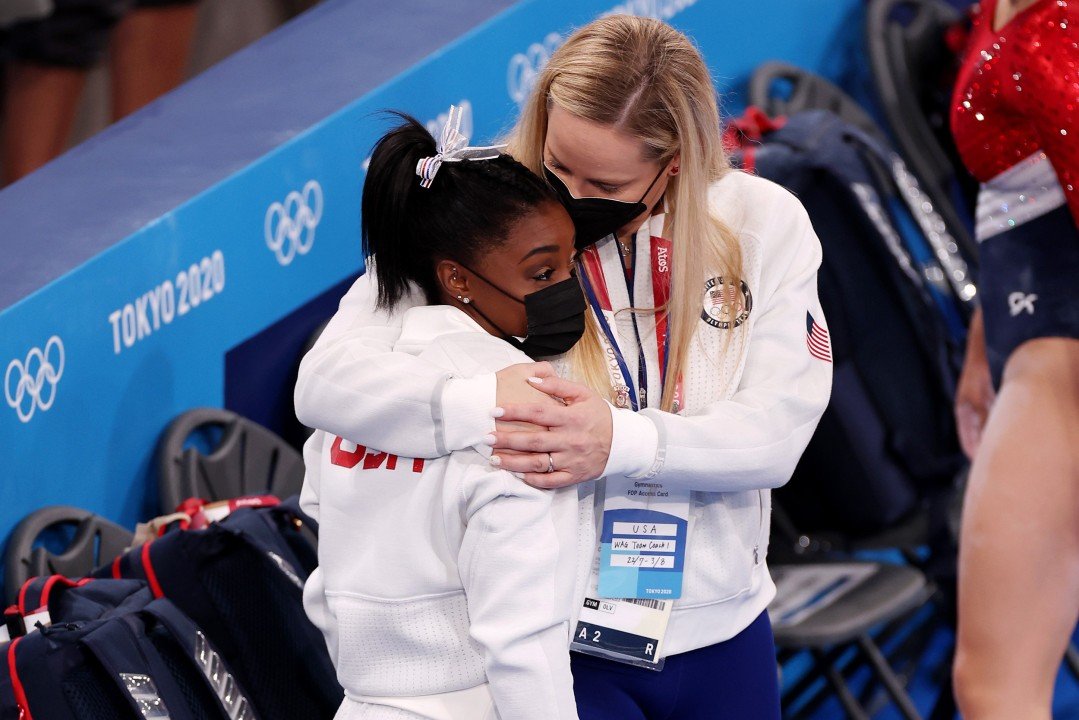
For a long time, professional athletes were expected to be mentally invincible. Strength, toughness, and resilience were seen as non-negotiable traits. Admitting mental struggles was often viewed as weakness. Today, that perception is changing, and the sports world is beginning to have a long-overdue conversation about mental health.
Athletes operate under immense pressure. Expectations from fans, media scrutiny, performance demands, and the fear of failure create a mentally exhausting environment. While physical injuries are visible and treated openly, psychological stress often remains hidden.
In recent years, high-profile athletes across different sports have spoken openly about anxiety, depression, and burnout. Their honesty has challenged long-standing stereotypes and encouraged others to seek help. These voices have played a crucial role in normalizing mental health discussions within competitive environments.
One contributing factor to mental health challenges is the constant public exposure athletes face. Social media amplifies criticism and praise alike, making it difficult to escape judgment. A single poor performance can trigger widespread negativity, affecting confidence and self-worth.
The demanding schedules of professional sports also take a toll. Frequent travel, limited personal time, and intense training reduce opportunities for rest and recovery. Over time, this can lead to emotional exhaustion and loss of motivation.
Sports organizations are gradually responding. Many teams now employ sports psychologists and mental health professionals. Mental well-being programs are being integrated into training routines, emphasizing balance and self-care alongside performance.
Youth athletes also benefit from this shift. As mental health awareness grows, younger players are learning that success does not require emotional suppression. Healthy mindset development is becoming part of long-term athlete growth.
Despite progress, challenges remain. Stigma has not disappeared completely, and access to mental health support varies widely across regions and sports. Continued education and open dialogue are essential.
Mental health is not separate from performance—it is a foundation of it. As sports continue to evolve, acknowledging the human side of athletes may be one of the most important victories of all.