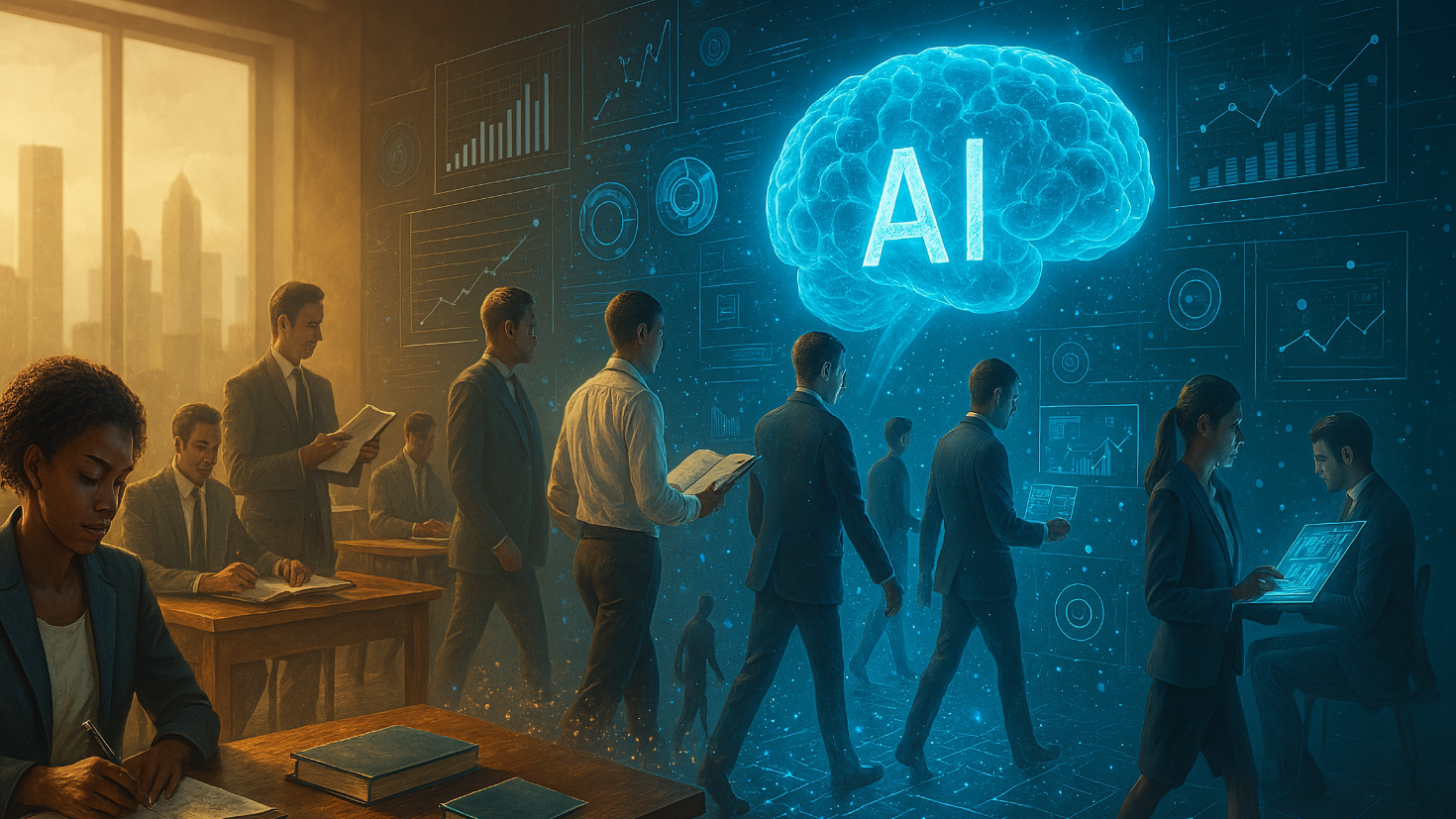
August 2026 — The rapid growth of artificial intelligence (AI), automation, and digital technologies is reshaping the global job market, encouraging workers, students, and businesses to invest in new skills that can meet the demands of an increasingly technology-driven economy.
Industry experts say that while AI continues to automate repetitive tasks, it is also creating opportunities for professionals who can effectively work alongside intelligent systems. As a result, digital literacy is no longer considered an advantage—it is becoming a basic requirement across many industries.
Over the past few years, organizations have accelerated their digital transformation efforts. Businesses are adopting cloud computing, data analytics, cybersecurity solutions, and AI-powered tools to improve productivity, reduce operational costs, and deliver better customer experiences. These changes have increased demand for employees with technical knowledge as well as strong problem-solving and communication skills.
Education providers have also responded to this shift by expanding access to online learning platforms, professional certifications, and flexible training programs. Universities, private institutions, and technology companies now offer courses covering artificial intelligence, programming, data science, digital marketing, project management, and cybersecurity. Many of these programs are designed for beginners, making it easier for individuals to transition into new career paths regardless of their previous experience.
Small businesses are benefiting from digital adoption as well. Affordable software solutions now allow entrepreneurs to manage accounting, customer relationships, inventory, and marketing from a single platform. AI-powered assistants help automate routine tasks such as scheduling meetings, responding to customer inquiries, generating reports, and creating marketing content. These innovations enable smaller companies to compete more effectively with larger organizations while improving operational efficiency. The widespread adoption of AI tools and cloud services continues to influence business strategies across industries.
However, experts emphasize that technical skills alone are not enough. Employers increasingly value adaptability, creativity, emotional intelligence, teamwork, and critical thinking. As technology evolves, professionals must continuously update their knowledge and remain open to learning new tools and processes. Lifelong learning has become an essential part of career development rather than an optional activity.
Cybersecurity is another growing concern in the digital economy. As businesses rely more heavily on online platforms and cloud-based services, protecting sensitive information has become a top priority. Organizations are investing in stronger security measures while encouraging employees to follow best practices such as using strong passwords, enabling multi-factor authentication, recognizing phishing attempts, and regularly updating software. Cybersecurity awareness is now considered a shared responsibility rather than a task limited to IT departments.
Governments and policymakers are also focusing on digital workforce development. Many countries have introduced initiatives to expand internet access, improve digital education, and encourage innovation through public-private partnerships. These efforts aim to prepare future generations for careers that may not even exist today while helping current workers adapt to rapidly changing technologies.
The healthcare, finance, manufacturing, retail, and logistics sectors are among those experiencing significant digital transformation. AI-powered diagnostic tools assist healthcare professionals, predictive analytics help financial institutions identify trends, automation improves manufacturing efficiency, and smart logistics systems optimize supply chains. Although technology continues to transform these industries, human expertise remains essential for decision-making, ethical oversight, and customer engagement.
Career advisors recommend that professionals focus on building a balanced skill set that combines technical expertise with interpersonal abilities. Certifications, practical projects, internships, and continuous learning can significantly improve employability in today’s competitive job market. Even dedicating a few hours each week to learning new digital skills can provide long-term career benefits.
Looking ahead, analysts believe the relationship between humans and technology will continue to evolve rather than become purely competitive. AI is expected to handle repetitive and data-intensive tasks, allowing people to focus on strategic thinking, innovation, collaboration, and creative problem-solving. Organizations that invest in employee development and encourage continuous learning are likely to remain more resilient in an increasingly digital economy.
As digital transformation accelerates worldwide, one message remains clear: the future workforce will be defined not only by technological advancement but also by the willingness of individuals and organizations to learn, adapt, and embrace change. Those who combine curiosity with continuous skill development will be better positioned to succeed in the evolving world of work.