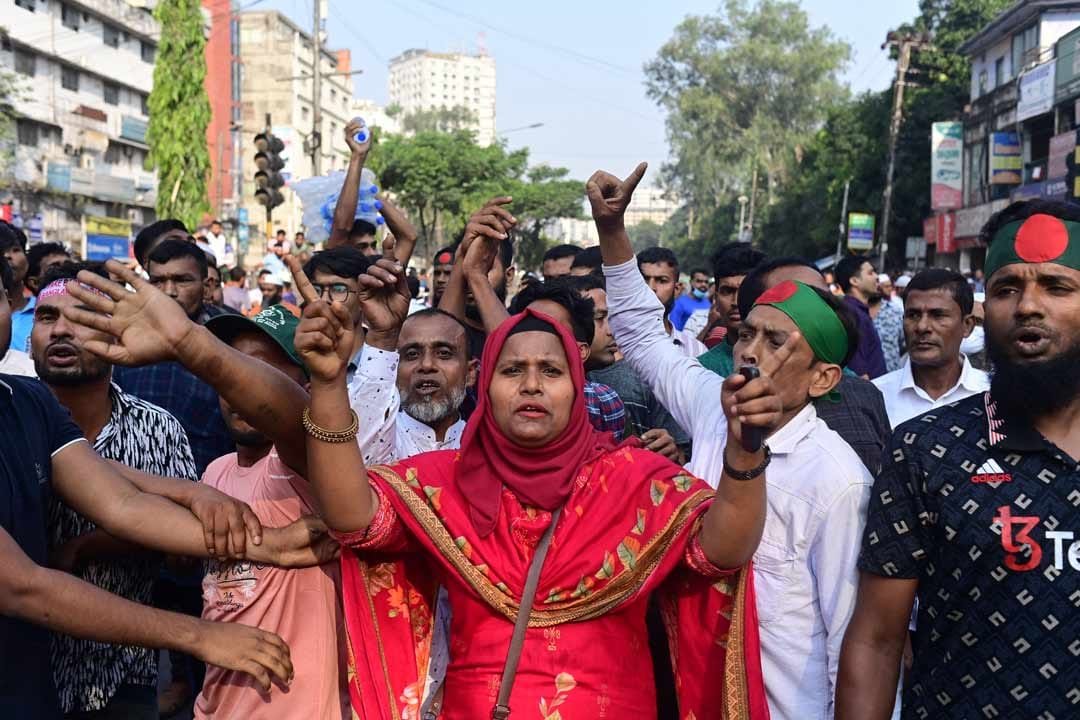
As Bangladesh approaches another major national election, the atmosphere across the country feels unusually intense. From tea stalls in rural villages to university classrooms in major cities, political conversations are dominating daily life. Voters are not just talking about parties and leaders — they are discussing the future of the country, their own livelihoods, and whether this election can finally deliver meaningful change.
Over the past decade, Bangladesh has experienced impressive economic growth, large infrastructure projects, and increasing global visibility. Yet beneath these achievements lie unresolved concerns: rising living costs, job insecurity, governance challenges, and questions about political transparency. These issues have shaped the mood of the electorate and raised expectations for the upcoming vote.
One of the most significant shifts is the growing political awareness of young voters. A large portion of the population is under 35, and this generation is digitally connected, outspoken, and politically curious. They are no longer satisfied with campaign slogans alone. They want clear economic plans, employment strategies, education reform, and solutions for climate resilience. Political parties have taken notice, increasingly using social media campaigns, online debates, and youth-focused policies to connect with this demographic.
Another important factor is the role of independent voters. Traditionally loyal voting blocs are becoming less predictable. Many citizens now evaluate parties based on performance rather than ideology. Development achievements are acknowledged, but so are governance shortcomings. This balanced evaluation is creating a more competitive political environment.
At the same time, challenges remain. Concerns over fair campaigning, media freedom, and electoral transparency continue to surface in public discussions. Civil society organizations, journalists, and international observers are calling for stronger safeguards to ensure voter confidence. Public trust in the electoral process itself will likely be one of the deciding factors in the final outcome.
Economic conditions will also weigh heavily on voter decisions. Inflation, energy costs, and employment opportunities dominate everyday conversations. Families are calculating their monthly expenses more carefully than ever, and small business owners are worried about market stability. Whichever political force can present a convincing plan to stabilize the economy and create jobs will gain a strong advantage.
Ultimately, this election is not simply about changing leadership; it is about redefining the social contract between the state and its citizens. Voters want leaders who listen, institutions that function, and policies that translate into real improvements in daily life. The coming months will reveal whether political actors are prepared to rise to this challenge or repeat old patterns.
What remains clear is that Bangladesh stands at a critical crossroads. The nation’s future direction will be shaped not only by ballots cast, but by the collective expectations of a population ready for progress grounded in accountability and trust.