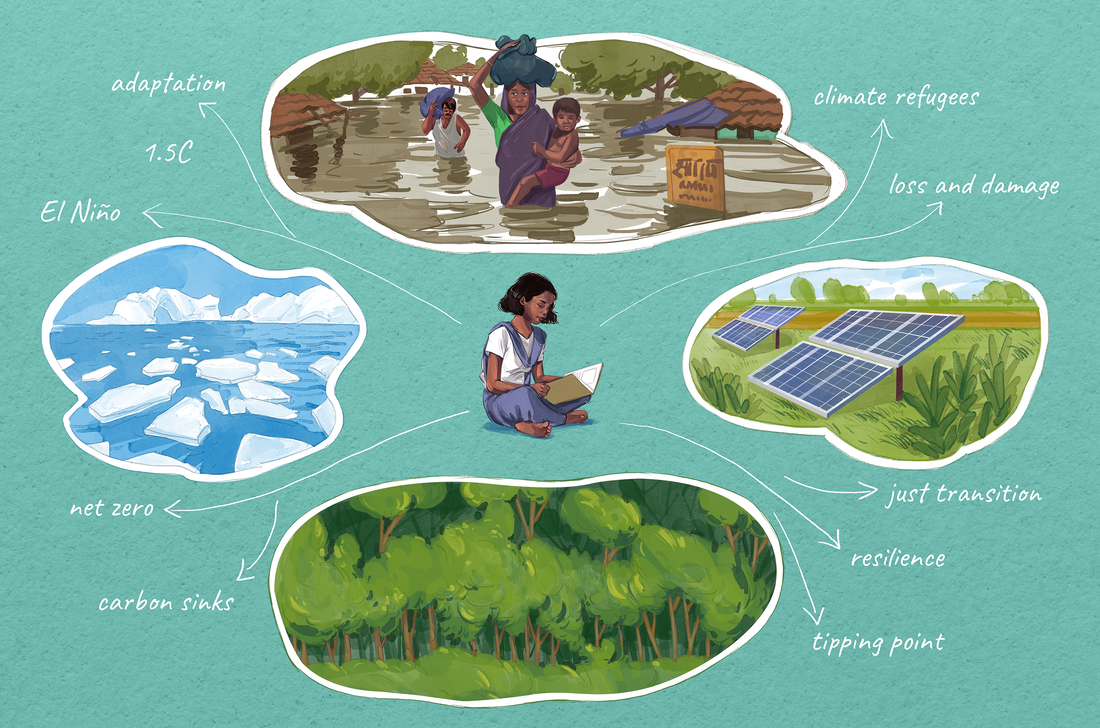
Climate change remains the defining challenge of our era. While headlines often focus on extreme weather and rising seas, the stories of resilience and human ingenuity are equally important. Around the world, communities are finding creative ways to adapt to environmental changes, showcasing the ability of people to survive, innovate, and thrive despite adversity.
In Bangladesh, for example, farmers are embracing salt-tolerant crops to combat rising river salinity. In Europe, cities are planting urban forests to reduce heat and improve air quality. These initiatives are not only environmental solutions but also symbols of human determination and collaboration.
Technology plays a supporting role. Satellite monitoring, precision farming, and mobile weather alerts help communities anticipate challenges and protect livelihoods. Yet, what truly drives change is community involvement and local knowledge. People who have lived through floods, droughts, or storms often develop innovative practices that combine traditional wisdom with modern science.
The global effort against climate change also requires international cooperation. From shared research to humanitarian aid, countries are realizing that environmental problems don’t respect borders. Collaborative projects, such as cross-border water management programs, exemplify how nations can unite for shared survival.
Despite progress, challenges remain. Vulnerable populations often bear the brunt of climate change, highlighting the need for inclusive solutions. Human resilience is not just about survival — it’s about ensuring dignity, safety, and opportunity for all.
Ultimately, the climate story of 2026 is as much about people as it is about the planet. It’s about communities, creativity, and courage — showing that humans are not passive victims but active problem-solvers in the face of environmental crisis.