Climate change is no longer a distant threat; it is a lived reality affecting millions of people across continents. In 2026, cities around the world are leading efforts to build climate resilience — a term that means preparing communities to survive, adapt, and thrive despite environmental challenges.
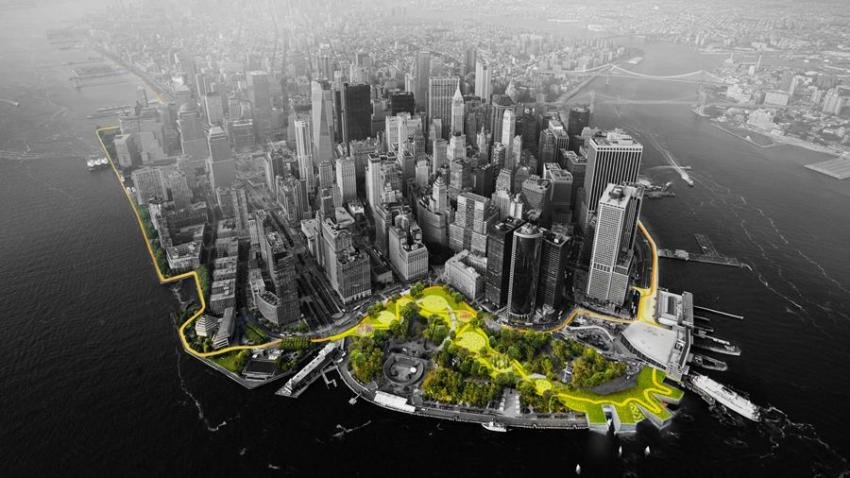
Urban resilience starts with understanding local risks. Many coastal cities, for instance, are investing in flood barriers, early-warning systems, and redesigned infrastructure to withstand rising sea levels and storm surges. Inland cities are focusing on heat mitigation — planting trees, cooling roofs, and redesigning public spaces to reduce heat islands that make conurbations unbearably hot in summer months.
Residents and city planners alike emphasize that climate resilience is not just about reacting to disaster, but preventing it where possible. Renewable energy initiatives — such as solar arrays, wind farms, and electric transit networks — reduce carbon emissions while improving air quality and public health. These projects also create employment opportunities and attract investment, reinforcing both ecological and economic stability.
Community involvement is essential. Grassroots efforts like urban gardens, river clean-ups, and neighborhood energy cooperatives foster a sense of shared responsibility. When residents are part of the solution, policies are more effective and long-lasting. Partnerships between governments and local organizations ensure that resilience planning is equitable and inclusive.
Climate resilience in 2026 is a story of innovation meeting urgency. It reflects a growing realization that environmental stability cannot be postponed — it must be built into the very fabric of cities, communities, and lives.