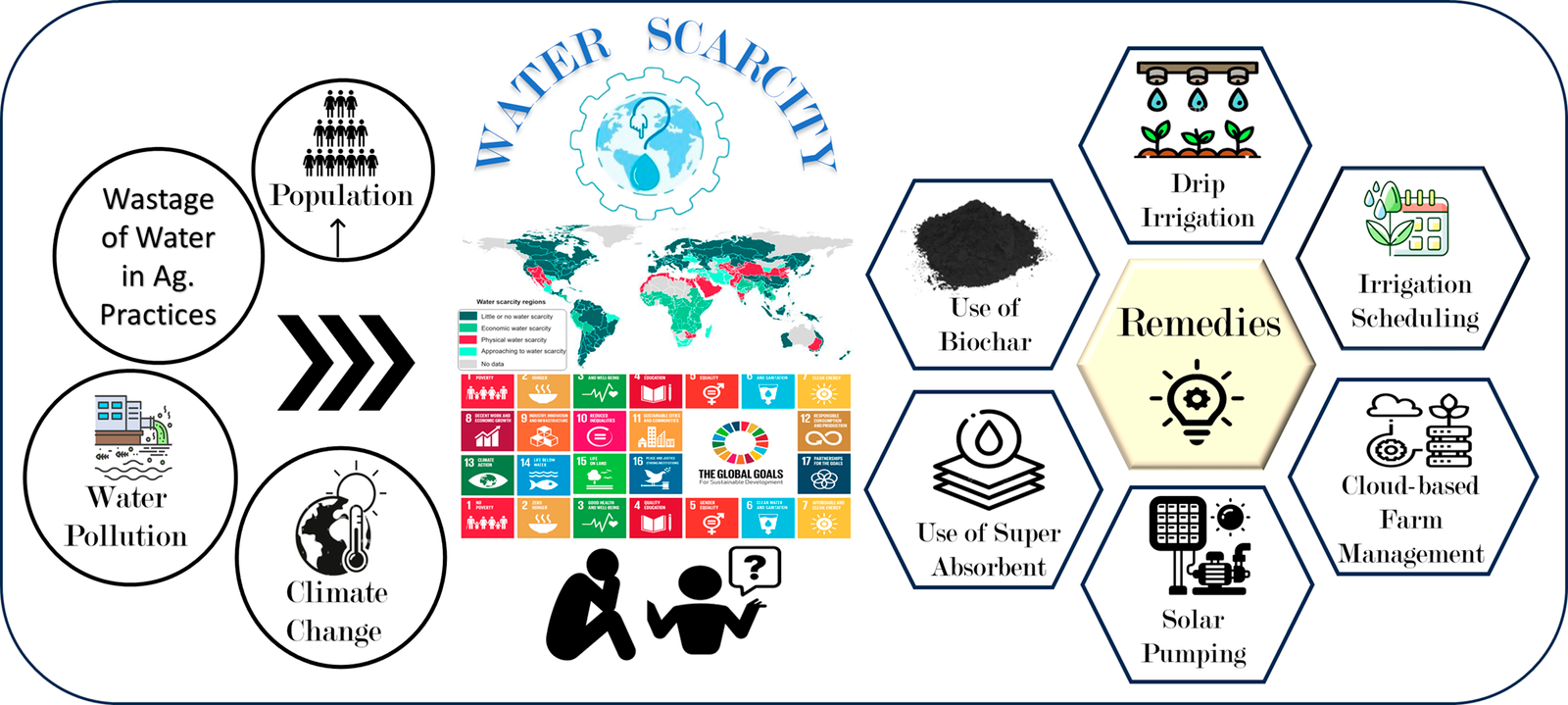
Water scarcity is no longer a distant warning; it is a reality impacting millions across continents. In 2026, the global water crisis has prompted communities to rethink how they access, store, and use this vital resource. From rural villages in Africa to bustling cities in Asia, people are finding innovative and human-driven solutions to ensure survival.
Farmers in drought-prone regions are adopting rainwater harvesting and drip irrigation techniques, allowing crops to survive longer dry periods. Urban centers are investing in water recycling, desalination plants, and smart monitoring systems to reduce waste and maintain supply. Yet, technology alone cannot solve the problem. Local engagement, education, and cooperation remain the most critical factors in success.
Civil society organizations play a pivotal role, teaching households how to conserve water and encouraging sustainable usage habits. Youth-led initiatives, in particular, are transforming attitudes around conservation, combining creativity with grassroots action. Communities that once struggled with water shortages are now leading practical examples of resilience and human ingenuity.
International collaboration also matters. Cross-border water-sharing agreements and regional drought-response programs show that countries can cooperate effectively when guided by common interests. However, inequities persist. The most vulnerable populations often face the harshest consequences, highlighting the urgent need for inclusive policies that protect every community.
The human story behind the water crisis is inspiring: it is about people refusing to be passive victims. From sharing knowledge to innovating local solutions, humanity is proving that with cooperation and creativity, even the gravest challenges can be met. In 2026, water scarcity is not just an environmental issue; it is a test of human determination, empathy, and collective responsibility.