Sleep is one of the most essential pillars of good health, yet it is often overlooked. In a world filled with busy schedules, digital distractions, and constant stress, millions of people are not getting the rest their bodies need. Healthy sleep is an evergreen topic because its importance remains constant, regardless of age or lifestyle.
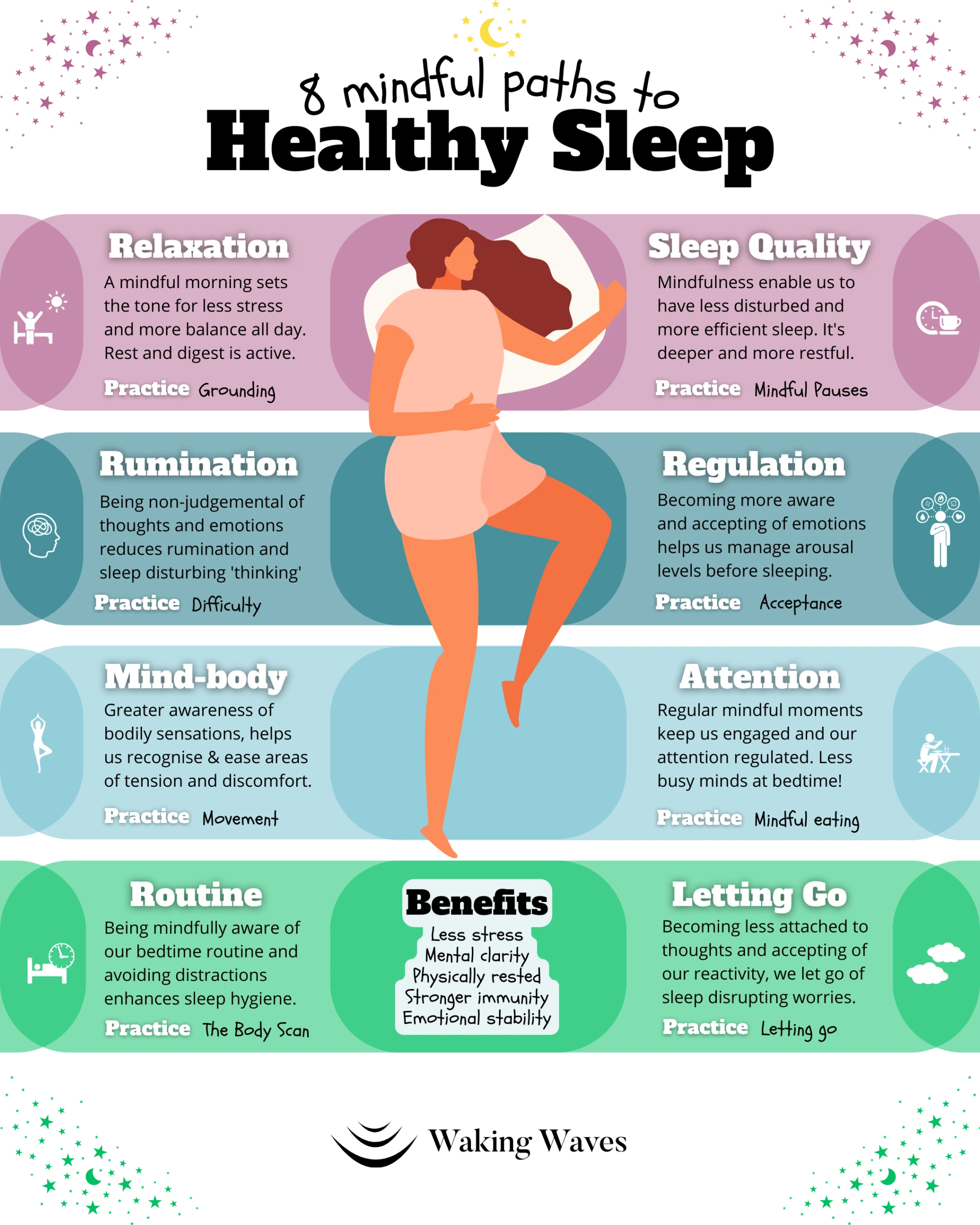
Quality sleep plays a major role in physical health. During sleep, the body repairs tissues, restores energy, and strengthens the immune system. Lack of sleep can weaken immunity, making individuals more vulnerable to illness. Good sleep also supports heart health, reduces inflammation, and helps maintain a healthy metabolism.
Equally important is the impact of sleep on mental health. Sleep allows the brain to process information, store memories, and regulate emotions. Poor sleep is linked to anxiety, mood swings, irritability, and reduced cognitive function. Even a single night of insufficient rest can affect concentration and decision-making.
Healthy sleep habits are essential for long-term wellness. Experts recommend maintaining a consistent sleep schedule—going to bed and waking up at the same time every day. Creating a calming bedtime routine, such as reading or meditation, helps signal the body to relax.
Limiting screen time before bed is also crucial. The blue light from phones and laptops disrupts the body’s natural sleep cycle. Replacing screen time with relaxing activities can significantly improve sleep quality.
Diet and exercise also affect sleep. Caffeine, heavy meals before bed, and lack of physical activity can interfere with proper rest. A balanced routine that includes daily movement and mindful eating contributes to deeper, more restorative sleep.
Healthy sleep is not a luxury; it is a necessity. Prioritizing rest can improve mood, increase productivity, and support overall well-being. It is one of the simplest yet most powerful ways to maintain a healthy life.