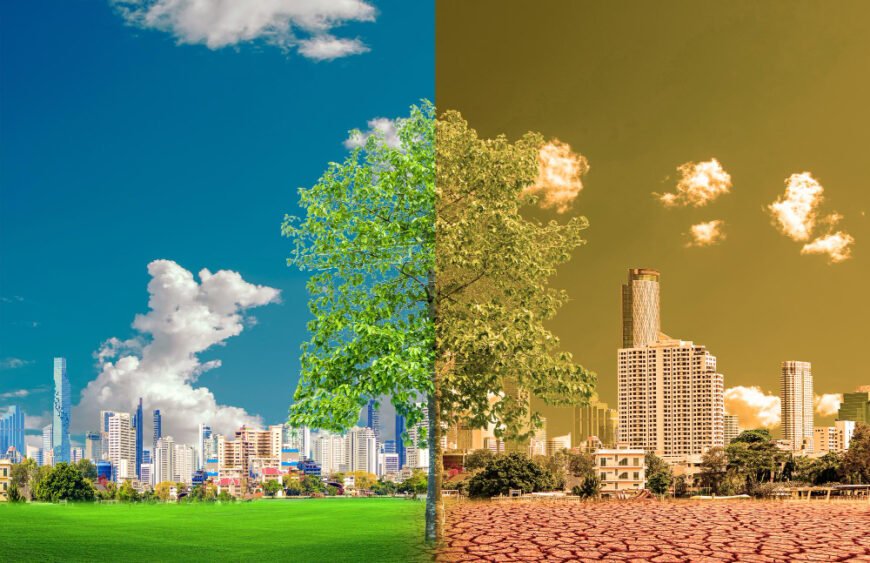
Climate change is no longer an abstract scientific concern. Its effects are visible in daily life, reshaping economies, communities, and individual routines. From unpredictable weather patterns to rising food prices, environmental shifts are influencing almost every aspect of modern society.
Extreme weather events are becoming more frequent and more severe. Heatwaves disrupt agriculture and energy systems. Floods destroy infrastructure and displace communities. Droughts threaten water security and food production. These changes are placing enormous pressure on governments, businesses, and households alike.
Agriculture, one of the most climate-sensitive sectors, is undergoing major transformation. Farmers are adjusting crop varieties, irrigation methods, and planting schedules to cope with new conditions. In some regions, traditional farming practices are no longer viable, forcing communities to explore alternative livelihoods.
Urban life is also being affected. Rising temperatures increase energy consumption for cooling, strain electrical grids, and worsen air quality. Cities must redesign infrastructure to withstand heat, flooding, and population shifts. Green spaces, water management systems, and sustainable transportation are becoming essential elements of urban planning.
The economic impact is profound. Insurance costs are rising. Supply chains are disrupted by extreme weather. Industries dependent on natural resources face increasing uncertainty. These pressures are pushing businesses to adopt sustainable practices not just for environmental responsibility, but for long-term survival.
At the individual level, people are changing consumption habits. Demand for renewable energy, eco-friendly products, and sustainable food is growing. Younger generations in particular are making environmental responsibility a core part of their personal values.
Addressing climate change requires cooperation across borders, industries, and communities. Governments, corporations, and citizens must work together to reduce emissions, protect ecosystems, and prepare for ongoing environmental change.
The climate challenge will define the future of human civilization. How effectively societies respond will determine not only environmental outcomes but economic stability, public health, and global security for generations to come.