Gratitude is one of the simplest habits a person can develop, yet it has the power to significantly improve emotional well-being. In a busy world filled with constant distractions, taking time to appreciate the small moments often gets overlooked. However, consciously practicing gratitude changes the way we think, act, and connect with others.
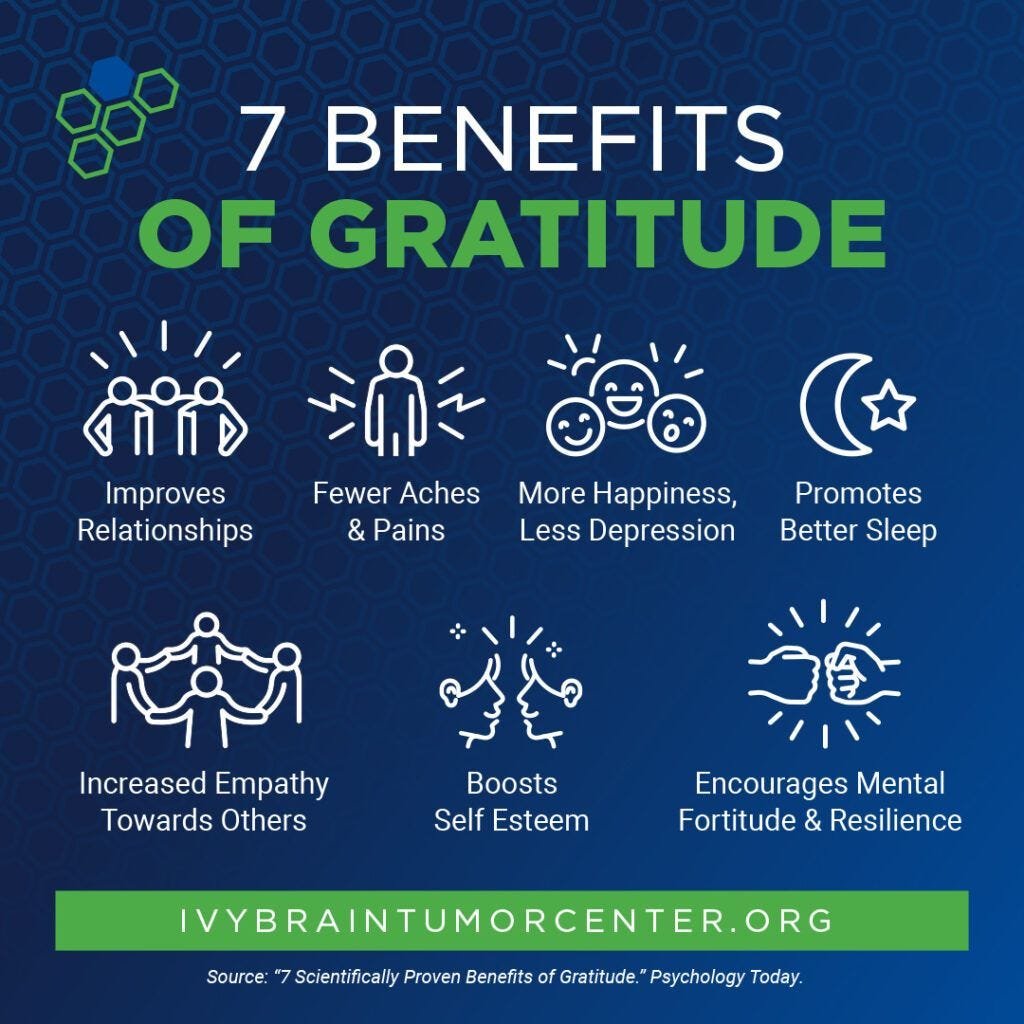
Gratitude shifts focus from what’s missing to what is already present. When people regularly acknowledge positive things—like supportive friends, health, or small achievements—they train their mind to notice opportunities instead of obstacles. This mindset reduces stress and helps maintain inner calm during difficult times.
It also strengthens relationships. Expressing appreciation makes others feel valued, deepening trust and connection. Even simple gestures, such as thanking someone for their help or recognizing their effort, create long-term positive effects.
Additionally, gratitude improves mental health. Studies show it reduces symptoms of anxiety and depression while increasing overall happiness. Writing a daily gratitude list or pausing for a moment of reflection can significantly boost emotional resilience.
By making gratitude a regular practice, individuals cultivate a more fulfilling and balanced life—an evergreen topic that remains relevant for everyone.