The idea of “celebrity” has transformed dramatically in the last decade. In the past, fame was reserved for actors, singers, or athletes. Today, thanks to streaming platforms and social media, almost anyone can become a star.
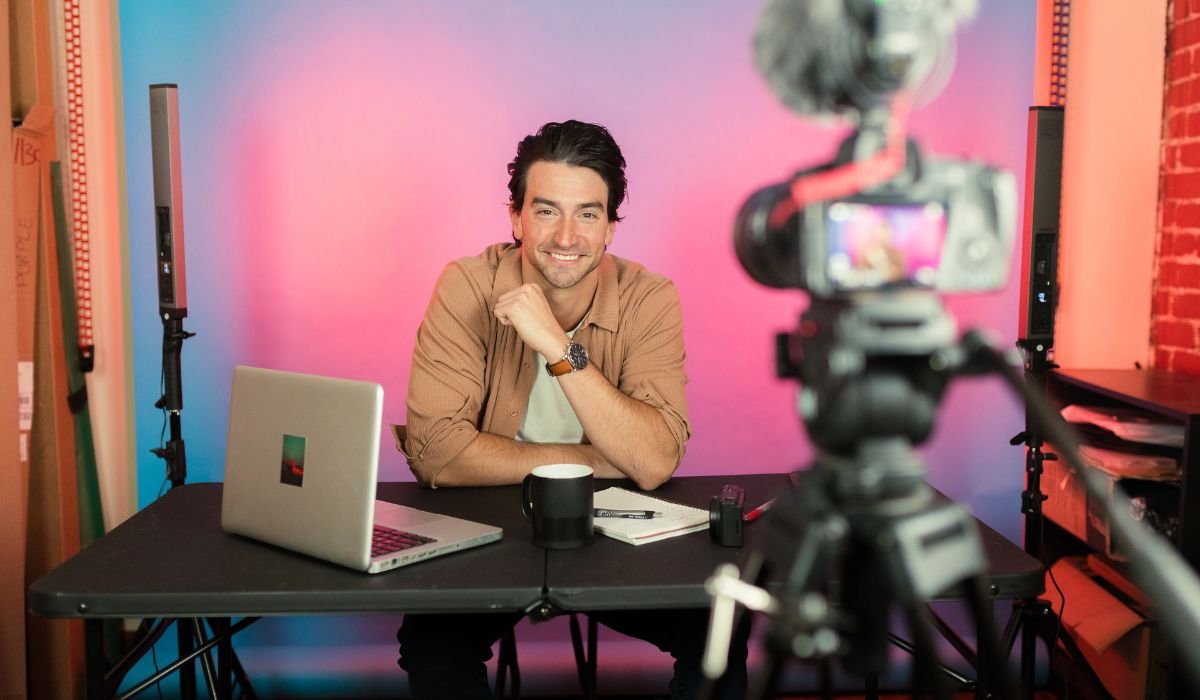
Platforms like YouTube, Twitch, and TikTok have created a new wave of influencers whose followings rival — or even surpass — Hollywood names. Unlike traditional celebrities, these digital creators connect with fans daily. They share their routines, their vulnerabilities, and their creative process.
This closeness creates a new kind of fandom. Followers don’t just watch from a distance; they feel like part of the journey. This intimacy has shifted the entertainment industry’s power balance. Brands are spending billions on influencer partnerships because audiences trust these figures more than polished advertisements.
Streaming has also blurred the lines between entertainment and reality. A gamer streaming for eight hours can pull more viewers than a prime-time TV show. A podcaster with a niche audience can influence cultural conversations as strongly as a magazine.
While traditional celebrities still dominate blockbuster films and red carpets, digital creators have carved out their own empires. The future of celebrity is not about exclusivity — it is about accessibility. Fame is no longer given; it is built, one stream at a time.