Cities worldwide are growing rapidly, and with that growth come challenges like pollution, noise, and overcrowding. Urban green spaces—parks, gardens, rooftop forests, and natural reserves—have become essential for healthier, more sustainable city living.
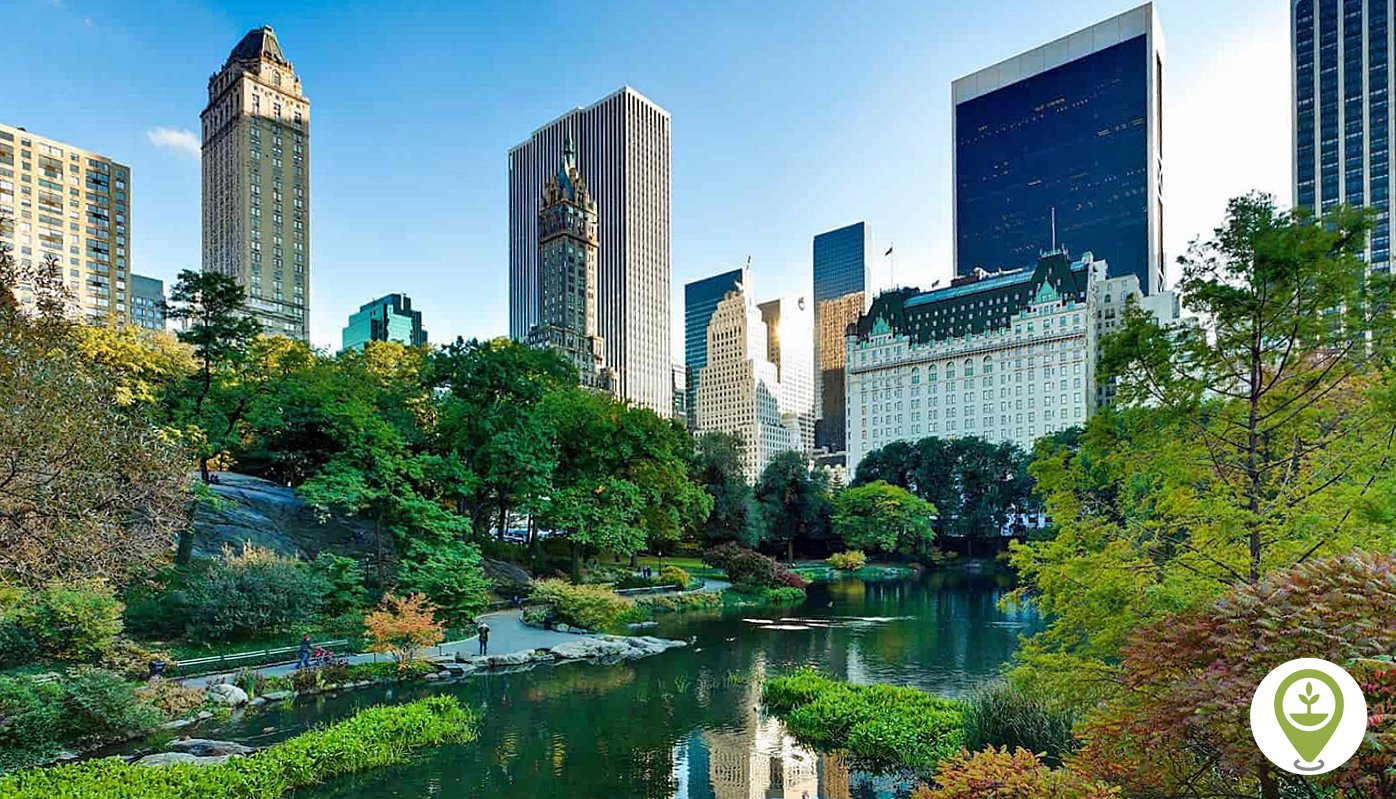
Green spaces improve air quality by filtering pollutants and producing oxygen. They also reduce heat, making cities more comfortable during hot seasons. This “cooling effect” can significantly lower energy consumption in urban areas.
These areas also support mental health. Studies show that spending time in nature reduces stress, boosts mood, and enhances overall well-being. For city residents with fast-paced lifestyles, green spaces offer a peaceful escape.
Urban parks encourage physical activity too. Walking, jogging, cycling, and outdoor sports become more accessible when green spaces are available.
Beyond health benefits, green spaces strengthen communities. People gather for events, exercise sessions, or casual conversations, building social connection.
As cities continue to expand, urban green development will remain a crucial global priority for decades to come.