Home Blog Page 3

The Role of Technology in Modern Journalism

0

Technology has revolutionized the way news is gathered, reported, and consumed. From real-time updates on mobile devices to AI-assisted reporting, journalism has become faster, more interactive, and more accessible than ever before.

Digital platforms allow news outlets to reach global audiences instantly. Social media has created a two-way communication channel where readers can comment, share, and verify information in real time.

However, the rise of digital news also brings challenges like misinformation and clickbait. Journalists must adapt by prioritizing accuracy, ethical reporting, and transparency while using technology responsibly.

Technology in journalism is not just a tool — it’s a catalyst for credibility, reach, and engagement. The future of news depends on blending innovation with responsibility.

The Benefits of a Balanced Diet: Fuel Your Body and Mind

0

Nutrition is the foundation of health. A balanced diet provides the essential vitamins, minerals, and nutrients needed for energy, focus, and immunity.

A healthy plate includes vegetables, fruits, lean proteins, whole grains, and healthy fats. Each food group plays a unique role — from supporting heart health to boosting cognitive function. Processed foods and excessive sugar should be minimized to prevent long-term health issues.

Balanced nutrition also impacts mental well-being. Studies show that proper diet reduces anxiety, improves mood, and enhances cognitive performance. Hydration and mindful eating further complement a healthy lifestyle.

Eating well isn’t about restriction; it’s about fueling your body and mind for peak performance and longevity.

The Importance of Self-Care: Prioritizing Yourself Without Guilt

0

Self-care is often misunderstood as indulgence, but it’s actually essential for physical, mental, and emotional health. Taking time for yourself helps recharge energy, improve focus, and prevent burnout.

Self-care can take many forms: exercise, meditation, reading, hobbies, or simply resting. Consistent practice builds resilience and strengthens well-being, enabling you to care for others more effectively.

Prioritizing self-care is not selfish — it’s a necessity. In today’s fast-paced world, neglecting your own needs leads to stress and imbalance. By incorporating intentional habits, you create space for clarity, balance, and happiness.

Ultimately, self-care is about valuing yourself enough to thrive, not just survive.

The Role of Music in Shaping Society and Culture

0

Music has always been more than entertainment — it’s a reflection of human emotion, culture, and identity. From traditional folk songs to modern digital hits, music shapes how societies communicate and connect.

Beyond enjoyment, music influences mood, memory, and even productivity. Research shows that listening to music can reduce stress, improve focus, and enhance cognitive abilities.

Cultural movements are often mirrored in music. Songs can inspire change, raise awareness, and unite communities around shared values. The rise of global streaming platforms allows artists from every corner of the world to reach international audiences, blending cultures in new ways.

Music proves that creativity and expression are timeless. Its impact on society is profound, making it a universal language of human connection.

The Importance of Problem-Solving Skills in Modern Education

0

Problem-solving is a foundational skill that equips students for real-life challenges. Beyond memorization, it encourages critical thinking, creativity, and decision-making — all essential for future success.

Modern education emphasizes hands-on learning, projects, and scenario-based exercises to strengthen problem-solving abilities. Students learn to approach challenges systematically, analyze options, and implement effective solutions.

Problem-solving skills are transferable across professions. Engineers, doctors, teachers, and entrepreneurs all rely on these skills to navigate complex situations.

By fostering problem-solving from an early age, schools prepare students not just for exams, but for lifelong adaptability and innovation.

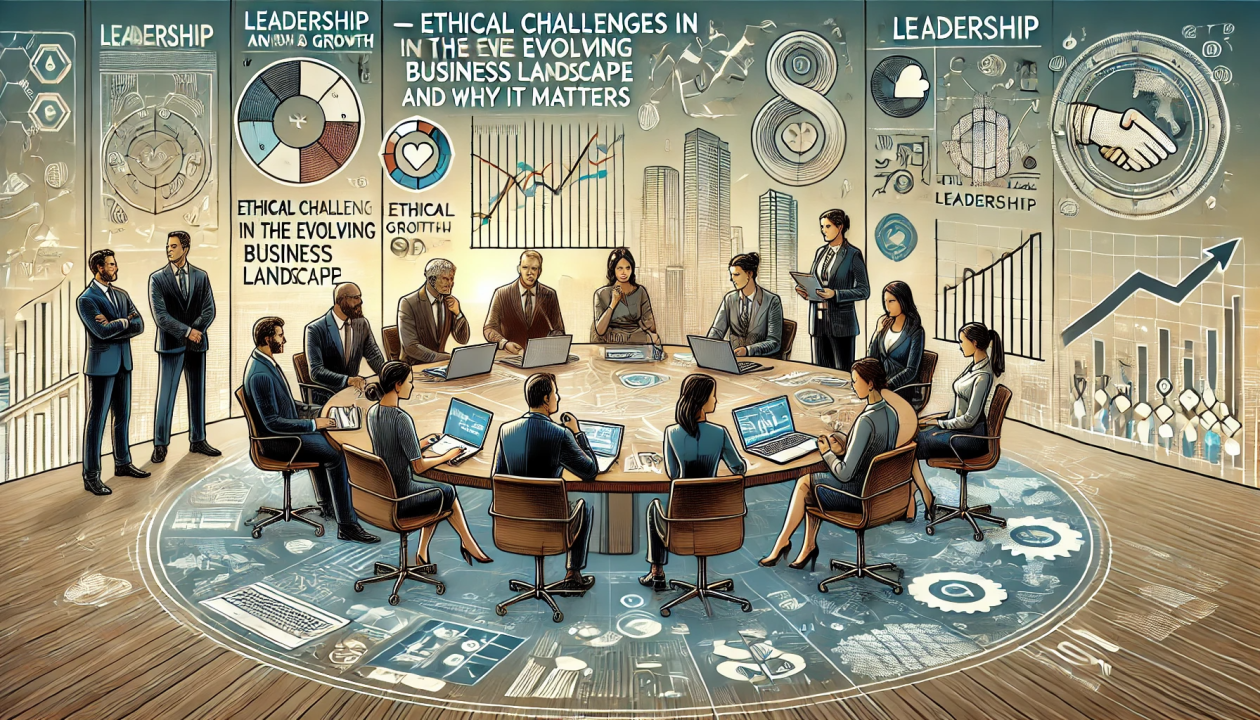
Why Emotional Intelligence is Essential for Modern Leaders

0

Successful leaders do more than manage teams — they inspire, motivate, and build trust. Emotional intelligence (EI) is a critical skill that helps leaders understand their own emotions and empathize with others.

EI improves communication, collaboration, and conflict resolution. Leaders with high EI create positive work environments, foster loyalty, and make better decisions under pressure.

Developing emotional intelligence involves self-awareness, active listening, and empathy. Leaders who model these behaviors influence their teams to perform at higher levels.

In today’s competitive business world, technical skills alone are not enough. True leadership comes from understanding and connecting with people.

The Power of Journaling: Transform Your Mind and Goals

0

Journaling is more than writing down thoughts — it’s a powerful tool for personal growth. Taking time each day to reflect helps you organize ideas, track progress, and gain clarity on your goals.

Scientific studies show that journaling reduces stress, enhances self-awareness, and improves problem-solving skills. By writing regularly, you notice patterns in behavior, recognize strengths, and identify areas for improvement.

Journaling doesn’t need to be complicated. Start with gratitude lists, daily reflections, or goal tracking. Over time, this simple habit strengthens focus, motivation, and emotional balance.

The true value of journaling lies in consistency. A few minutes a day can transform your mindset and life trajectory. Writing isn’t just a habit — it’s a roadmap to your best self.

The Role of Mental Strength in Athletic Success

0

Physical skill is only part of what makes a champion. Mental strength — focus, resilience, and emotional control — often separates winners from the rest.

Athletes face high-pressure situations, intense competition, and setbacks. Mental toughness allows them to stay calm, adapt strategies, and perform consistently. Techniques such as visualization, meditation, and goal-setting are commonly used to strengthen focus.

Coaches now emphasize the psychological aspect of training as much as physical conditioning. Athletes who master their mind can overcome fear, maintain motivation, and turn challenges into opportunities.

Mental strength isn’t limited to sports. It applies to any area of life where challenges exist. In both sports and life, the mind is often the ultimate game-changer.

Artificial Intelligence and Society: Opportunities and Challenges

0

Artificial Intelligence (AI) is no longer a futuristic concept — it has become part of everyday life. From voice assistants and recommendation algorithms to advanced healthcare diagnostics, AI is shaping society in profound ways.

AI improves efficiency, reduces human error, and enables data-driven decision-making. Businesses use AI to optimize operations, while healthcare providers leverage it for early detection of diseases. Education is also evolving with AI-driven personalized learning tools.

However, AI brings ethical challenges, including privacy concerns, job displacement, and algorithmic bias. Responsible development and regulation are essential to ensure technology benefits everyone.

The rise of AI offers both opportunities and responsibilities. It can revolutionize industries, but only if humans use it wisely. The future will belong to those who balance innovation with ethical responsibility.

The Science of Happiness: Habits That Improve Your Life

0

Happiness is often misunderstood. It isn’t found in wealth or fame but in everyday habits and choices. Scientific studies show that small, intentional actions can significantly boost mental well-being.

Practicing gratitude is one of the most effective ways to enhance happiness. Taking time to reflect on positive experiences rewires the brain to focus on abundance rather than scarcity. Regular exercise releases endorphins, improving mood and reducing stress.

Social connections are another critical factor. Spending quality time with friends and family strengthens emotional resilience. Mindfulness, meditation, and sufficient sleep also play vital roles in maintaining balance.

Ultimately, happiness is a practice, not a destination. By intentionally cultivating positive habits, you create a life that is both meaningful and fulfilling. True happiness comes from within, and small daily steps make all the difference.