Home Blog Page 8

Artificial Intelligence: Shaping the Future of Everyday Life

0

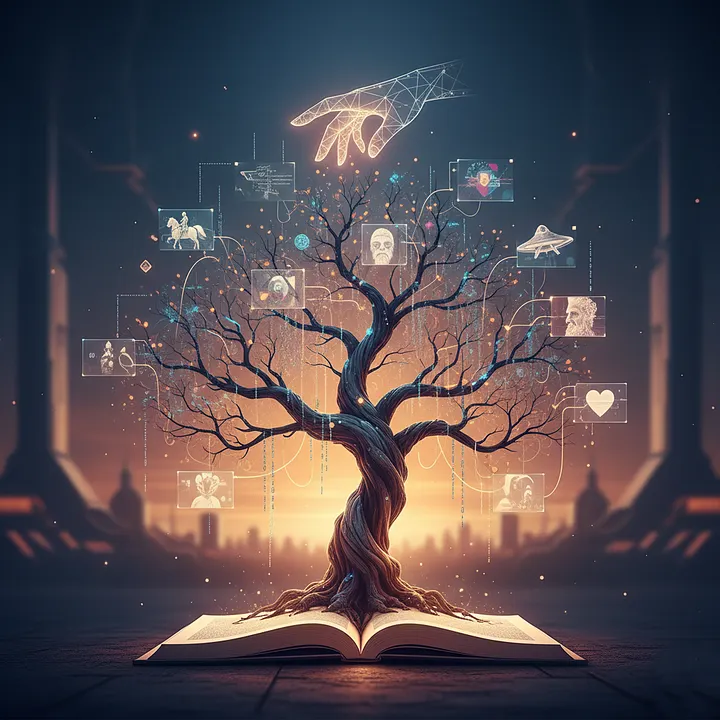
Artificial Intelligence (AI) is no longer science fiction — it’s a part of our daily reality. From voice assistants like Siri and Alexa to smart home devices and self-driving cars, AI continues to transform how people live, work, and connect.

AI enhances healthcare through early disease detection, supports education with personalized learning, and drives business innovation by analyzing data faster than ever before. In short, it’s changing every industry.

However, as AI advances, it raises ethical and social questions: How will it affect jobs? Can machines replace creativity? Will privacy be at risk? These are challenges humanity must address with care.

The goal of AI should never be to replace humans, but to enhance human potential. When guided ethically, artificial intelligence can lead us toward a smarter, more efficient, and more compassionate world.

The Psychology of Winning: What Separates Champions from the Rest

0

Every athlete dreams of victory, but only a few consistently achieve it. Beyond skill and talent, the difference often lies in mindset — the mental strength to handle pressure, stay focused, and believe in success.

Sports psychologists identify key traits in champions: confidence, resilience, and discipline. Winners visualize success before it happens and learn from failure instead of fearing it. They thrive under pressure because they prepare for it — mentally and physically.

Training the mind is just as crucial as training the body. Techniques like goal-setting, meditation, and positive self-talk help athletes stay sharp and motivated. Many professional teams now employ mental coaches to strengthen performance.

The psychology of winning isn’t limited to sports — it applies to every part of life. The real victory isn’t just in crossing the finish line, but in becoming the person strong enough to reach it.

Critical Thinking: The Most Important Skill for the 21st Century

0

In an era of information overload, knowing how to think has become more important than knowing what to think. Critical thinking — the ability to analyze, question, and evaluate information — is now one of the most essential life skills.

With social media and the internet flooding our daily lives with opinions, news, and misinformation, critical thinkers can separate fact from fiction. Schools and universities worldwide are emphasizing this skill because it empowers students to make informed decisions and solve complex problems.

Practicing critical thinking means asking questions, exploring evidence, and considering multiple perspectives. It encourages creativity and curiosity — traits that employers and innovators value highly.

In the digital age, critical thinking isn’t just an academic tool; it’s a survival skill. Those who can think deeply will always stay ahead in a shallow world.

How Remote Work Is Redefining the Modern Workplace

0

The COVID-19 pandemic reshaped the global workforce, introducing remote work as the new normal. Even after restrictions lifted, many companies realized that employees didn’t need to be in an office to be productive. Remote work has become a permanent part of the modern business landscape.

The benefits are clear: flexibility, reduced commuting time, and better work-life balance. Companies save on office costs, while employees gain freedom and comfort. However, remote work also brings challenges such as communication gaps, distractions at home, and social isolation.

To overcome these, successful organizations use digital tools like Slack, Zoom, and Asana to keep teams connected and productive. Many now embrace hybrid models that blend office and remote work.

The shift toward remote work represents more than a trend — it’s a transformation in how people view productivity and success. The future of work is not about where you work, but how effectively you work.

The Power of Simplicity: How Minimalism Leads to a Happier Life

0

Modern life often encourages people to chase more — more money, more possessions, more success. Yet, as many discover, “more” doesn’t always mean “better.” Minimalism offers a refreshing alternative: living intentionally with less to focus on what truly matters.

Minimalism isn’t just about decluttering your home; it’s about decluttering your mind. By removing distractions, you gain clarity and peace. Studies show that living simply reduces anxiety and promotes happiness by helping people focus on experiences, not things.

Financially, minimalism encourages smarter spending. Instead of buying constantly, minimalists invest in quality items that last longer. Emotionally, it helps people appreciate gratitude, calm, and purpose.

In a noisy, fast-paced world, simplicity has become a luxury. The minimalist lifestyle reminds us that happiness doesn’t come from owning more — it comes from needing less.

How Music Affects the Human Mind and Emotions

0

Music is one of humanity’s oldest and most universal languages. It transcends culture, time, and geography — connecting people in ways words cannot. But have you ever wondered why a song can make you cry, smile, or feel energized?

Science explains that music triggers emotional and physiological responses in the brain. It can release dopamine — the “feel-good” chemical — and reduce cortisol, the stress hormone. Different rhythms and melodies can influence mood, concentration, and even memory.

Music therapy is now widely used in hospitals and mental health centers to help patients heal emotionally and physically. It helps reduce anxiety, improve motor coordination, and uplift mood.

Whether you’re listening to a favorite playlist or learning to play an instrument, music is more than entertainment — it’s medicine for the soul.

Climate Change and the Power of Individual Action

0

Climate change is often discussed on a global scale — rising temperatures, melting glaciers, and government policies. But real change also begins at home, with small, individual choices that collectively create massive impact.

Everyday actions like reducing plastic use, saving energy, recycling, and choosing sustainable products contribute to a healthier planet. Choosing to walk or cycle instead of driving, planting trees, or eating more plant-based meals are small steps that add up.

The truth is, no single person can reverse climate change — but millions of people making small choices can reshape the world. Awareness is the first step; action is the second.

Protecting the planet isn’t about perfection — it’s about progress. Every mindful decision today plants the seed for a greener tomorrow.

0

In the modern workplace, technical skills are essential — but they’re no longer enough. Emotional intelligence (EQ) has become one of the most valuable traits for professional success.

Emotional intelligence is the ability to recognize, understand, and manage emotions — both your own and others’. Employees with high EQ communicate better, handle stress effectively, and resolve conflicts with empathy. Leaders with strong emotional intelligence build trust and inspire loyalty among teams.

Unlike IQ, EQ can be developed. It starts with self-awareness: paying attention to your reactions, listening actively, and showing genuine respect. Companies that promote emotional intelligence often see improved teamwork, higher job satisfaction, and stronger performance.

In a world increasingly driven by automation, emotional intelligence is what makes professionals truly human — and truly successful.

Mindfulness: The Simple Habit That Can Transform Your Life

0

In today’s fast-paced world, most people live on autopilot — rushing from one task to another without truly being present. Mindfulness offers a refreshing pause. It’s the art of living fully in the moment, paying attention to thoughts, feelings, and surroundings without judgment.

Practicing mindfulness can reduce stress, anxiety, and depression. Scientific studies show that regular meditation helps regulate blood pressure, improve sleep, and strengthen emotional well-being. You don’t need to be a monk to benefit — even five minutes a day can make a difference.

Simple ways to start include mindful breathing, journaling, or taking quiet walks. The key is consistency. Over time, mindfulness rewires the brain, helping you respond to challenges calmly instead of reacting impulsively.

Mindfulness isn’t about escaping reality — it’s about embracing it. When you learn to live consciously, every small moment becomes meaningful.

The Art of Storytelling: Why People Still Love a Good Story

0

From ancient cave paintings to Hollywood blockbusters, storytelling has always been part of human culture. No matter how advanced technology becomes, people continue to crave stories — because stories make us feel, understand, and connect.

A good story has power. It can inspire empathy, teach lessons, and spark imagination. In entertainment, storytelling shapes movies, songs, games, and even advertisements. It’s not just about entertainment — it’s about emotion.

Today’s digital world gives everyone the tools to tell stories: blogs, podcasts, YouTube, and short videos. Anyone with creativity and passion can reach a global audience.

What makes storytelling timeless is its ability to bring meaning to experience. As long as humans have emotions, stories will remain the most powerful form of communication.