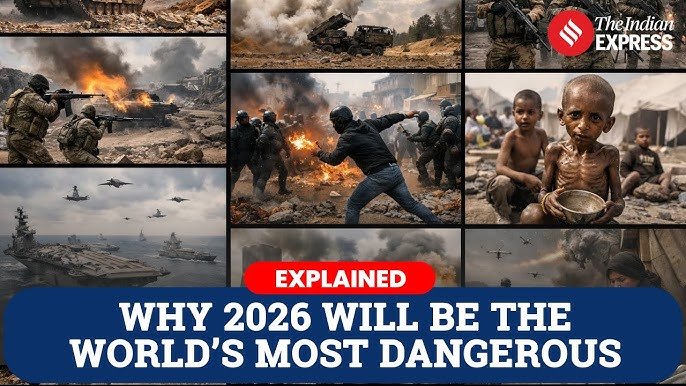
In 2026, global politics feels closer to home than ever before. Conflicts, diplomatic disputes, and shifting alliances are no longer distant headlines—they directly influence food prices, job markets, travel, and daily life. While world leaders debate policies behind closed doors, ordinary people feel the consequences almost immediately.
Several regions are experiencing renewed tension due to economic pressure, energy shortages, and unresolved political disputes. Trade restrictions between major economies have disrupted supply chains, leading to higher prices for everyday goods. For families, this means budgeting has become tighter, and uncertainty has become part of normal life.
At the same time, international diplomacy is evolving. Countries are increasingly relying on regional partnerships rather than global agreements. This shift has created both opportunities and risks. Smaller nations gain stronger voices within regional blocs, but disagreements can escalate quickly when cooperation breaks down.
Technology has also changed how people experience global tension. News spreads instantly through social media, often without context. A single incident can spark fear or anger across borders within minutes. This has placed greater responsibility on journalists and news organizations to provide accurate, balanced reporting that informs rather than inflames.
Despite these challenges, there are signs of resilience. Civil society groups, humanitarian organizations, and local communities continue to build bridges where governments struggle. Cultural exchanges, educational programs, and international cooperation at the grassroots level help maintain dialogue during tense times.
For ordinary people, understanding global affairs has become essential. Awareness helps individuals make informed decisions, from financial planning to civic engagement. In 2026, global tensions remind us that the world is deeply interconnected—and that peace and stability depend not only on leaders, but on informed and engaged citizens everywhere.