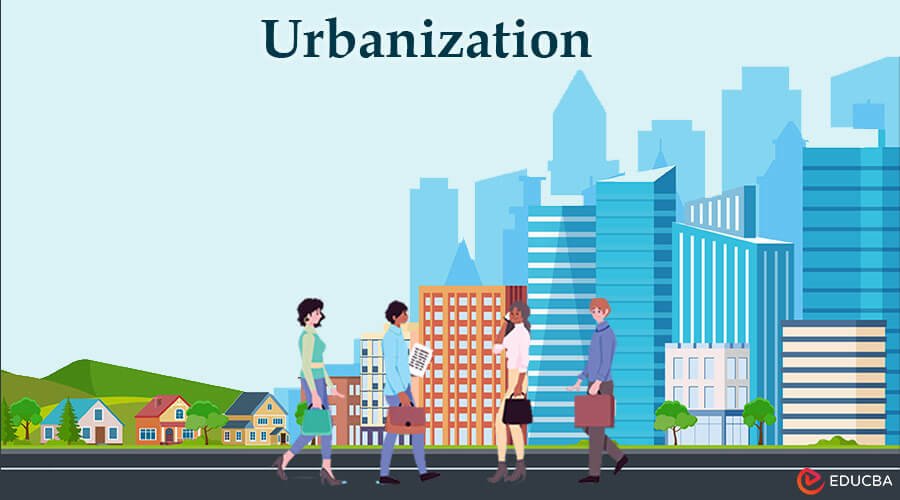
By 2026, urban growth has become one of the most defining features of modern life. Cities around the world are expanding at unprecedented rates, fueled by increasing migration, economic opportunity, and changing lifestyle preferences. This shift toward urban living brings both immense potential and real challenges for communities of all sizes.
Urban centers have long served as engines of economic activity. They attract talent, foster innovation, and provide access to education, healthcare, and job opportunities. In recent years, technological advancements — from improved transportation networks to digital connectivity — have only accelerated this trend. People are moving to cities not just for jobs, but also for access to vibrant cultural scenes, diverse communities, and educational resources.
However, rapid urbanization also places pressure on infrastructure and public services. Housing demand often outpaces supply, leading to higher living costs and, in some areas, overcrowded neighborhoods. Cities have responded with mixed success. Some metropolitan areas have ramped up investments in affordable housing, public transit, and green spaces to ensure that development benefits residents equitably. Others still struggle with congestion, pollution, and access disparities.
Education systems in growing cities face similar pressures. Urban schools must balance rising enrollment with the need for quality learning environments, modern facilities, and well-trained teachers. Local governments that invest strategically in education — integrating technology, expanding vocational programs, and partnering with private organizations — are seeing meaningful gains in student outcomes and future workforce readiness.
Healthcare access is another major issue in expanding urban regions. Although cities typically offer more medical services than rural areas, the influx of residents can stretch these systems thin. Policymakers are increasingly prioritizing preventive care, community clinics, and mobile health units to address these gaps. Ensuring that residents receive routine care, mental health support, and public education on wellness contributes to stronger urban communities overall.
Despite challenges, the cultural and economic benefits of urban living remain compelling. Cities are hubs of creativity where artistic expression thrives alongside scientific research and technological development. Urban environments bring people together across backgrounds, fostering diversity, dialogue, and shared experiences that enrich social life.
As urban populations grow, the policies and investments made now will shape how cities function for decades to come. By prioritizing inclusive planning, sustainable development, and community engagement, cities can unlock the full promise of urban life — offering opportunity, connection, and quality of living for all who call them home.