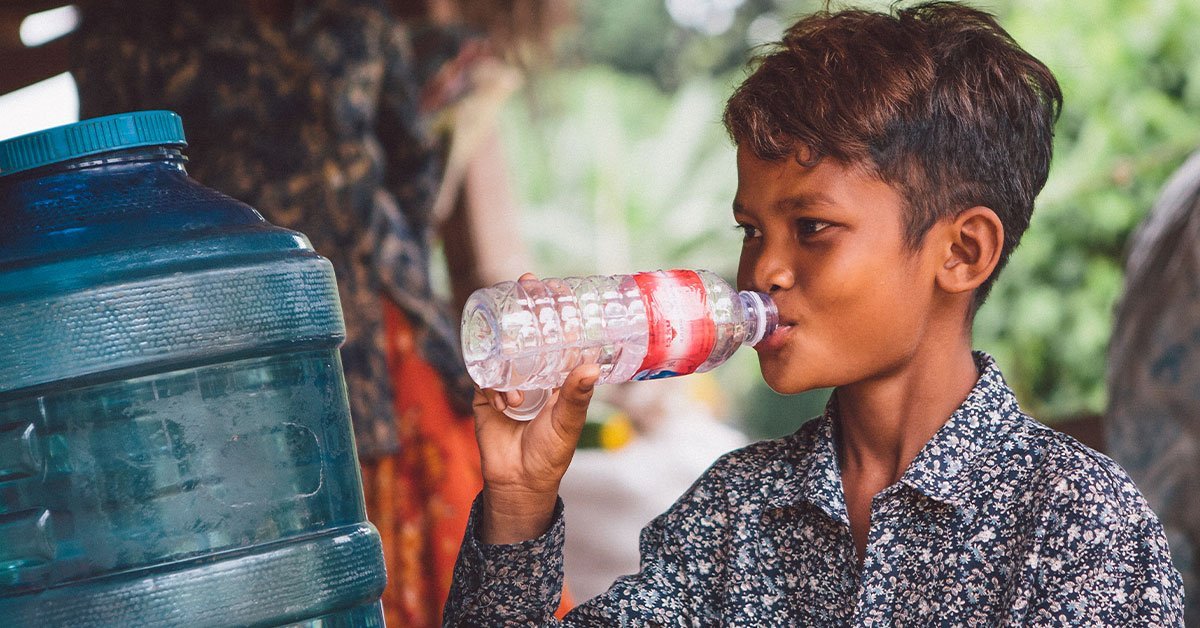
Water scarcity has quietly become one of the defining challenges of our decade. In 2026, nearly every region of the world — from arid rural districts to thriving city centers — is feeling the effects of dwindling water supplies, shifting rainfall patterns, and rising demand from growing populations. But what is remarkable is how communities are responding.
In parts of Africa and Asia, farmers are switching to drought-resistant crops and reviving ancient water-harvesting techniques. Carefully designed terraces, soil moisture preservation, and communal water storage projects are helping protect fields and livelihoods. These innovations are not high-tech solutions alone; they are inspired by generations of observation, patience, and deep community involvement.
Urban centers, too, are facing shortages — but their responses are different. Cities like Cape Town and Phoenix have invested heavily in recycling wastewater and desalination plants, turning previously unusable water into community resources. Neighborhood teams work hand-in-hand with engineers to monitor usage and educate residents about conservation. It’s not just about infrastructure — it’s about changing people’s relationship with water.
Technology plays a role, but it’s always in service of people. Mobile apps give farmers real-time weather updates. Smart meters help households track use. But without cooperation, none of these tools would have the impact they do. Volunteers, educators, and civic groups are reaching out, often door-to-door, helping families reduce waste and start rain-collection projects right in their backyards.
International cooperation has also accelerated. Cross-border water-sharing agreements now include educational exchanges, so knowledge travels as freely as water itself — blending local wisdom with global science. Yet challenges remain: some areas still lack funding, infrastructure, or political stability to implement large-scale changes.
Still, the overall trend in 2026 is one of adaptation and human ingenuity. Communities aren’t simply coping with water scarcity — they are redefining how water fits into economic plans, daily life, and cultural customs. From grassroots action to global partnerships, the story of water in 2026 is deeply human — a testament to resilience in the face of one of the century’s most pressing challenges.