Stress has become a routine part of modern life. From work pressure and financial worries to social obligations and digital overload, the triggers seem endless. While occasional stress is normal, chronic stress can silently damage your health without you even noticing.
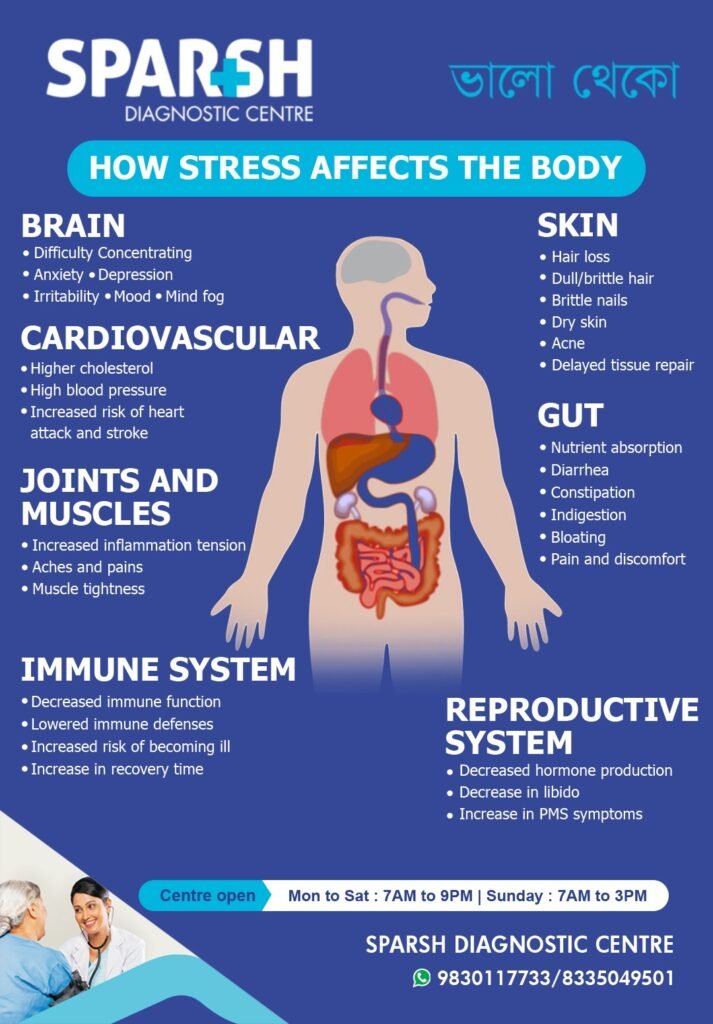
Physically, long-term stress affects hormones, sleep patterns, and the immune system. Cortisol—the body’s stress hormone—rises when we’re under pressure. When cortisol stays high for too long, it can cause fatigue, headaches, digestive issues, and even heart problems.
Mentally, stress can lead to anxiety, irritability, and difficulty concentrating. People often overlook these symptoms until they start interfering with daily life. Emotional burnout is becoming increasingly common, especially among young adults juggling work and personal responsibilities.
Fortunately, managing stress is possible with small, consistent habits. Regular exercise is one of the most effective tools—it releases endorphins, boosts mood, and improves sleep. Practicing mindfulness, meditation, or deep breathing can also calm the mind and reduce tension within minutes.
Another powerful strategy is setting boundaries. This means learning to say no, reducing social media consumption, and giving yourself permission to rest. A balanced lifestyle helps keep stress at manageable levels.
Stress may be unavoidable, but its impact doesn’t have to control your life. By understanding your triggers and practicing healthy habits, you can protect your mind, body, and overall well-being.