Traditional education has long been built on long lectures, thick textbooks, and structured courses. But the digital age is reshaping how students learn. The buzzword of 2025 is micro-learning — the delivery of knowledge in small, digestible pieces.
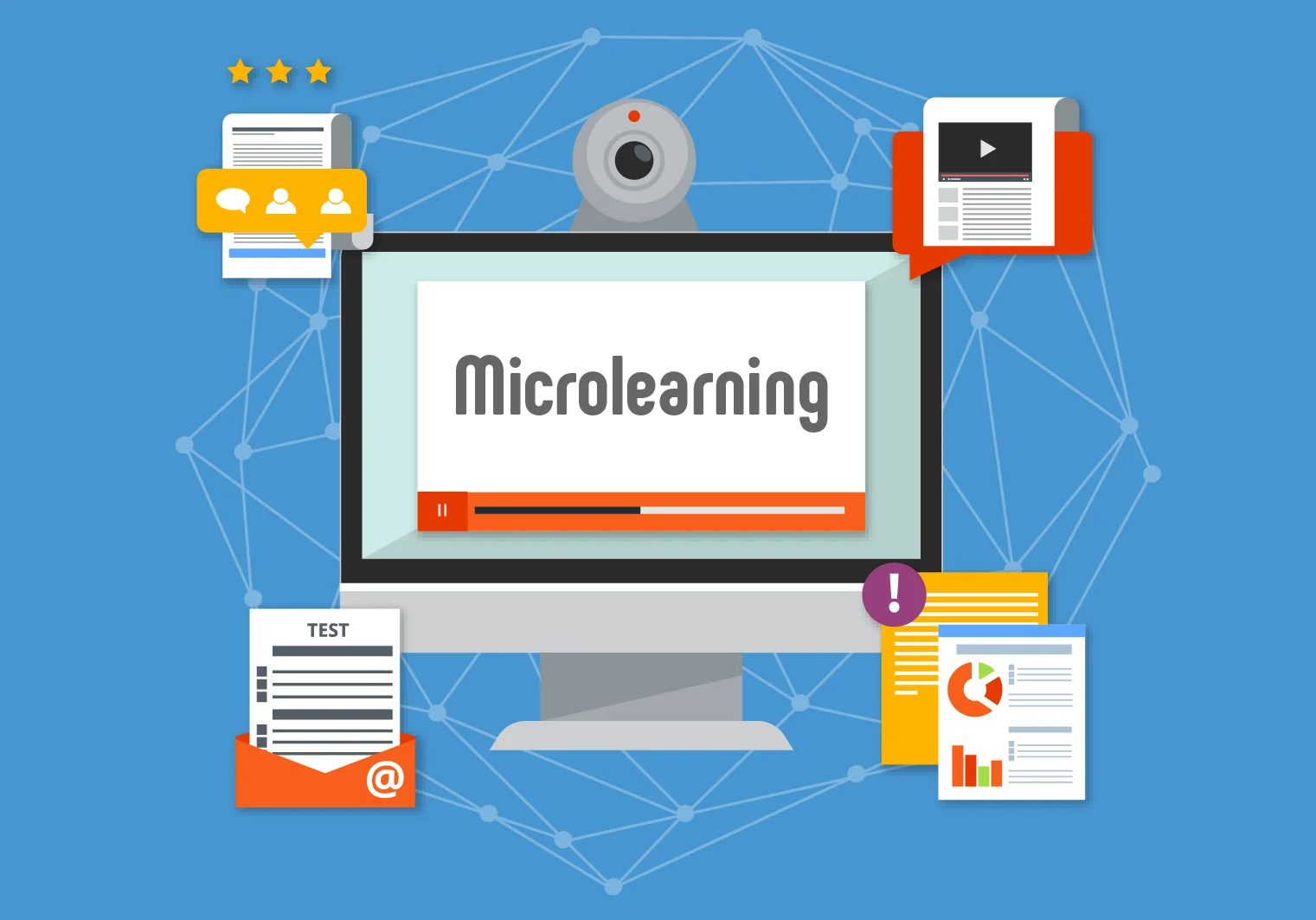
Instead of sitting through a two-hour lecture, learners now access five-minute video lessons, interactive quizzes, or quick podcasts that target one concept at a time. This model fits modern lifestyles, where attention spans are short and time is fragmented.
Micro-learning is particularly effective for professional skills. Busy workers can learn coding basics, marketing strategies, or even foreign languages during commutes or coffee breaks. Educational platforms are thriving because they cater to learners on-demand, anywhere, anytime.
But critics warn against oversimplification. Complex subjects, like philosophy or advanced science, cannot always be condensed into bite-sized lessons. The challenge for educators is finding balance: using micro-learning to spark curiosity while encouraging deeper exploration.
Still, the movement is undeniable. Micro-learning democratizes knowledge. It lowers barriers to education, making it possible for more people to learn at their own pace. In the coming years, it may become not just a supplement but a foundation of modern education.