Cultural diversity remains one of the most evergreen subjects in world affairs because it shapes global identity, international cooperation, and social harmony. As travel, communication, and technology bring people closer together, understanding cultural differences has become more important than ever.
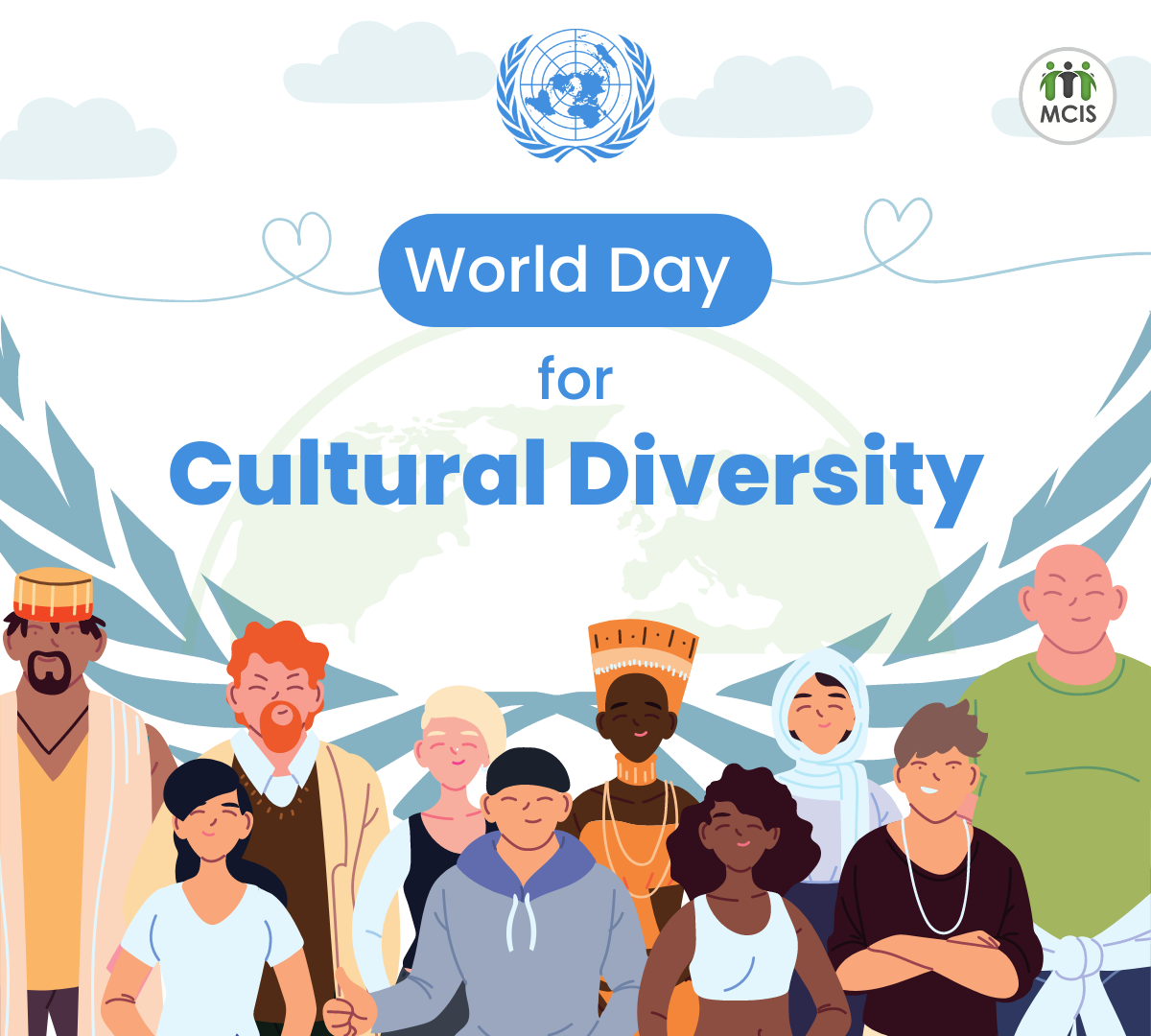
Cultural diversity includes language, traditions, food, clothing, beliefs, art, and social behaviors. These differences make societies unique and enrich the global community. When cultures interact, they exchange ideas, values, and knowledge that contribute to creativity and innovation.
One of the key benefits of cultural diversity is increased tolerance. Exposure to different customs helps people develop empathy and break down stereotypes. This leads to more peaceful relationships between communities and nations.
Cultural diversity also boosts economic growth. Countries that welcome diverse populations often benefit from new business ideas, global connections, and a skilled workforce. Multicultural companies tend to be more innovative and adaptable because they bring together different perspectives.
In education, cultural diversity helps students learn about global citizenship. Understanding other cultures encourages respect, curiosity, and open-mindedness. These qualities are essential in a world where international communication and cooperation are becoming normal.
Despite its benefits, cultural diversity can also present challenges. Misunderstandings or language barriers may cause conflict if not addressed properly. This is why cultural awareness, education, and respectful dialogue are crucial.
As global relationships continue to evolve, cultural diversity will remain central to building a more inclusive and connected world. It helps societies grow stronger, smarter, and more united—a timeless value that will stay relevant for generations.