Education in 2026 looks very different from a decade ago. Traditional classroom models are being reexamined as educators respond to technological change, workforce demands, and student well-being. The focus has shifted from memorization to meaningful learning.
Schools and universities are emphasizing critical thinking, communication, and adaptability. Students are encouraged to ask questions, collaborate, and solve real-world problems. This approach reflects the reality that information is widely available, but understanding and application require human judgment.
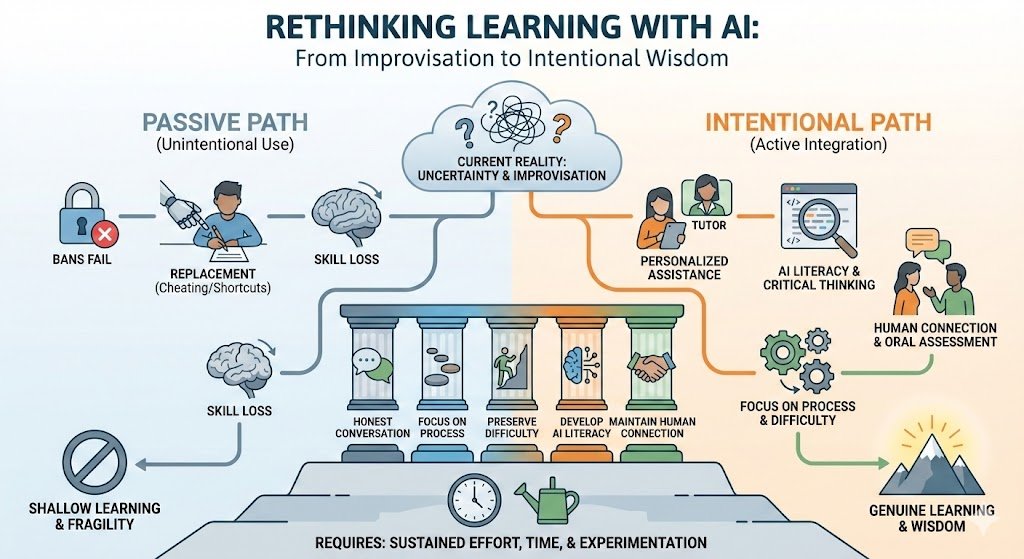
Technology supports this transition, but it does not replace teachers. Online resources, virtual classrooms, and AI-assisted tools help personalize learning, yet educators remain central. Their role has evolved into mentorship, guidance, and emotional support.
Another major change is mental health awareness. Educational institutions now recognize that learning cannot thrive without emotional stability. Counseling services, peer support programs, and balanced workloads are becoming standard rather than optional.
Lifelong learning is also gaining importance. Adults are returning to education to reskill or explore new careers. Short courses, certifications, and flexible programs allow learning to fit around work and family life.
Education in 2026 is about preparing people for an unpredictable future. By focusing on curiosity, resilience, and human connection, modern education systems aim to create learners who are not just knowledgeable, but capable and confident.