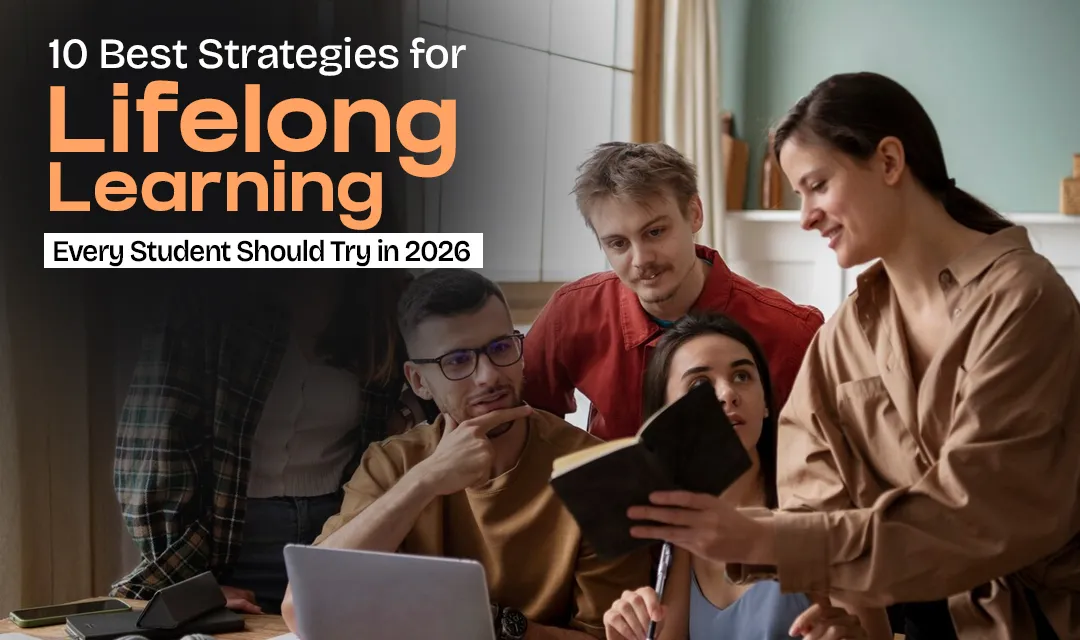
In 2026, learning doesn’t stop at graduation — it evolves with life. Today’s world moves fast: industries shift, technologies emerge, and careers change shape. This constant flux has made lifelong learning not just beneficial, but necessary for anyone who wants to remain relevant and fulfilled.
Traditional education — classrooms, textbooks, exams — laid the foundation. But in our current era, what people do with their knowledge matters just as much as what they learned in school. Employers now seek candidates who can adapt, solve problems creatively, communicate effectively, and learn on the job. These skills are cultivated outside rigid academic programs.
One of the biggest shifts in education is the rise of accessible learning platforms. Online courses, interactive workshops, and professional certificates allow people to pick up new skills at their own pace. From digital design to project management, from foreign languages to leadership training — the opportunities are nearly limitless. Best of all, many of these programs are flexible, affordable, and built for learners of all ages.
But lifelong learning isn’t only about technical skills. It’s also about human skills — things like critical thinking, emotional intelligence, resilience, and cultural awareness. These abilities help people navigate complex workplace relationships, adapt to change, and communicate with diverse teams around the world. In fact, many employers now value these human qualities as much as technical expertise.
Workplaces themselves are adapting. Companies invest in employee development through mentorship programs, learning stipends, and in-house training. Older and younger employees alike can benefit from shared learning experiences that build collective knowledge within teams.
For individuals, lifelong learning also fosters personal growth. Exploring new interests — whether painting, writing, coding, or public speaking — enriches life beyond professional ambitions. Learning becomes a way to spark joy, stay curious, and connect with others who share similar passions.
Communities play a role too. Local workshops, public libraries, and skill-sharing groups bring people together around shared goals. In these spaces, education becomes social — a shared journey rather than a solo task.
Ultimately, lifelong learning in 2026 reflects a broader cultural shift toward growth, flexibility, and curiosity. It isn’t tied to age, job title, or credentials — it’s a mindset. Those who embrace it aren’t just preparing for job markets; they’re building lives rich with purpose, adaptability, and connection. And in a world that keeps changing, that’s one of the most valuable skills of all.23