In today’s fast-paced world, sleep has quietly become a luxury rather than a necessity. Millions of people sacrifice rest in the name of productivity, entertainment, social media, and endless responsibilities. Yet behind this everyday habit lies one of the most serious and underestimated health crises of modern society: chronic sleep deprivation.
Health researchers now warn that lack of proper sleep is contributing to an alarming rise in mental illness, heart disease, obesity, weakened immunity, and early aging — even among young and otherwise healthy individuals.
A Society That No Longer Sleeps
Just a few decades ago, the average adult slept between seven and nine hours a night. Today, that number has dropped dramatically. Smartphones, streaming platforms, late-night work culture, and social media scrolling have stretched the waking hours of human life far beyond natural limits.
Many people now function on five to six hours of sleep, believing they are “used to it.” In reality, the body never truly adapts to sleep loss — it simply breaks down more slowly.
What Happens When the Body Is Starved of Sleep
Sleep is not passive rest. It is an active biological process that repairs muscles, regulates hormones, strengthens memory, stabilizes emotions, and removes toxic waste from the brain.
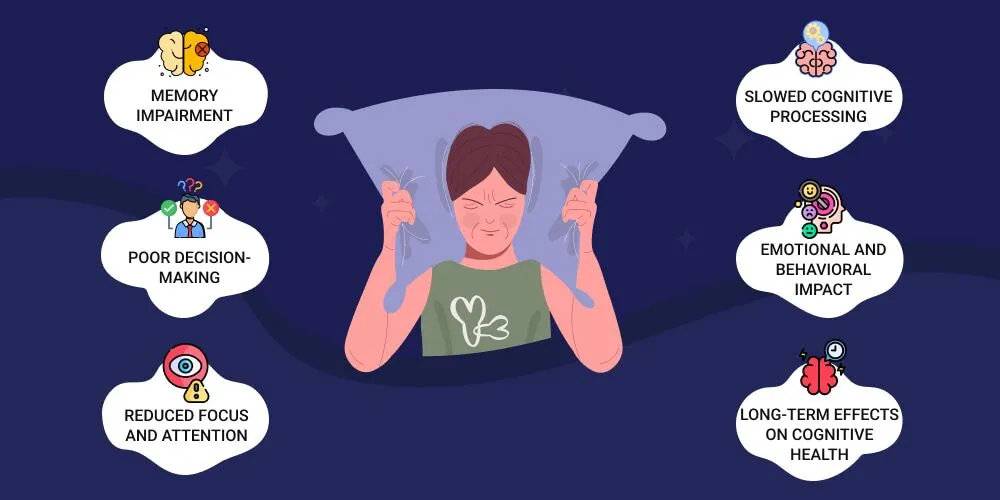
When sleep is insufficient, the brain struggles to control mood and focus. Stress hormones remain elevated, increasing anxiety and irritability. The immune system weakens, making the body more vulnerable to infections and chronic disease.
Over time, persistent sleep deprivation increases the risk of:
-
Heart attack and stroke
-
Diabetes and obesity
-
Depression and anxiety disorders
-
Memory loss and cognitive decline
-
High blood pressure
-
Hormonal imbalance and infertility
In extreme cases, severe sleep deprivation can even lead to hallucinations and psychotic symptoms.
The Hidden Link Between Sleep and Mental Health
Mental health professionals increasingly identify sleep loss as both a cause and consequence of emotional disorders. Anxiety disrupts sleep, and lack of sleep worsens anxiety — creating a destructive cycle.
Depression becomes harder to treat when sleep remains irregular. Emotional resilience declines, making everyday problems feel overwhelming. Simple decisions require far more effort than usual, and motivation slowly disappears.
Technology: The Main Culprit
Artificial light from phone screens suppresses melatonin, the hormone responsible for sleep. Late-night scrolling keeps the brain in a state of alertness long after the body needs rest.
Social media platforms are specifically designed to prolong engagement, stealing time from essential sleep without users even realizing it. The result is a generation of chronically tired minds navigating an increasingly demanding world.
The Cost of Ignoring Sleep
The economic impact of sleep deprivation is enormous. Fatigue reduces productivity, increases workplace accidents, weakens decision-making, and raises healthcare costs.
On a personal level, relationships suffer when irritability, low energy, and emotional exhaustion become daily companions. Creativity declines. Life becomes something to survive rather than enjoy.
Reclaiming Rest in a Restless World
Reversing this crisis requires a cultural shift. Sleep must be viewed as a foundation of health, not a weakness.
Experts recommend:
-
Establishing consistent sleep and wake times
-
Limiting screen use at least one hour before bed
-
Creating a dark, quiet, and cool sleep environment
-
Avoiding caffeine late in the day
-
Treating sleep as non-negotiable self-care
Even small improvements in sleep habits can dramatically enhance mood, focus, energy, and long-term health.
A Global Health Priority
The sleep deprivation epidemic is not simply about tiredness — it is about survival in a world that demands constant attention and performance.
Until societies value rest as much as achievement, this crisis will continue to grow. But when individuals begin protecting their sleep, they protect their future.
Sleep is not lost time. It is the most powerful investment in a longer, healthier, and more balanced life.