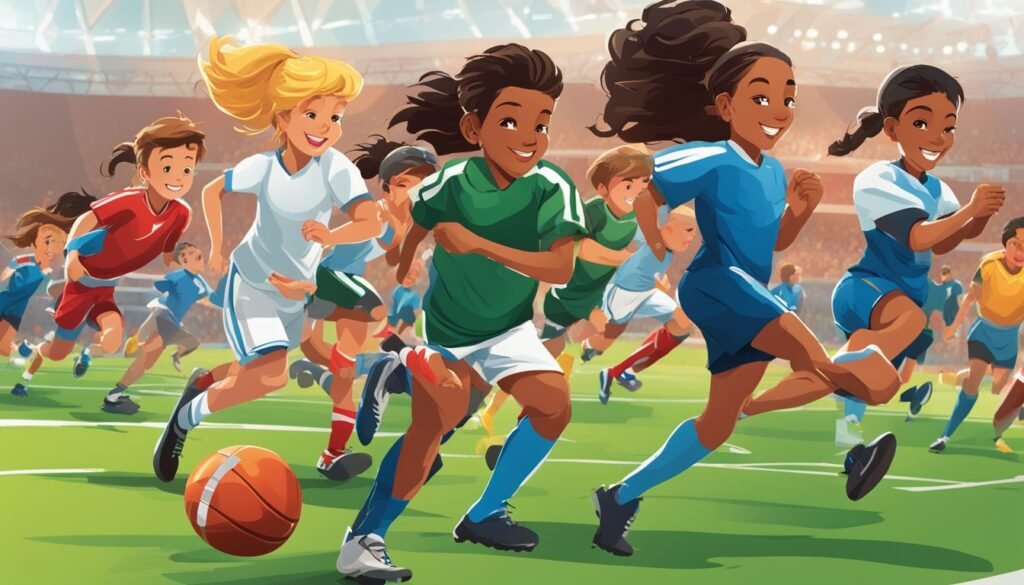
Across the world, youth sports in 2026 are gaining attention not merely as athletic competitions — but as community pillars that foster confidence, teamwork, physical wellbeing, and civic pride. Parents, teachers, coaches, and local leaders are recognizing that sports for young people offer far more than wins and losses; they shape character, create lifelong friendships, and instill values that extend into all areas of life.
One key shift is how youth sports programs emphasize holistic development. Coaches are trained not only in athletic techniques but also in mentorship, encouragement, and emotional support. This approach encourages young players to use sports as a platform to learn leadership, resilience, and perseverance — essential qualities that help them navigate challenges both on and off the field.
Participation is also becoming more inclusive. Instead of focusing solely on elite competition, communities are designing programs that welcome kids of all skill levels. Neighborhood leagues, mixed-ability teams, and recreational play days ensure that every child feels valued and included. These opportunities boost self-esteem and cultivate a sense of belonging that extends beyond the scoreboard.
Youth sports are also strengthening community cohesion. Games and tournaments have become gatherings that bring families together — parents exchange stories on the sidelines, neighbors cheer for young athletes, and volunteers support team logistics. These events build social bonds that bridge age groups, cultures, and backgrounds, fostering a sense of community identity and pride.
Health and fitness outcomes are evident too. Regular physical activity helps young people develop stronger bodies, improve coordination, and establish healthy habits early in life. In an age marked by increased screen time and sedentary routines, youth sports provide a vital balance that supports both physical and emotional wellbeing.
Schools are actively participating in this movement. Many institutions integrate sports programs into their core curricula, ensuring that children receive structured physical activity alongside academic lessons. Partnerships between schools and local clubs expand opportunities for students to explore new sports, refine skills, and discover personal interests.
Parents and families also play a vital role. Their involvement — from cheering on the sidelines to organizing team events — fosters supportive environments where young athletes feel encouraged and appreciated. These shared experiences leave lasting memories that children and parents cherish long after the season ends.
In 2026, youth sports are more than competitions — they are spaces of growth, community connection, and shared joy. Through teamwork, play, and mutual encouragement, young people not only build athletic confidence — they build character, friendships, and a deep sense of belonging that resonates throughout their communities.