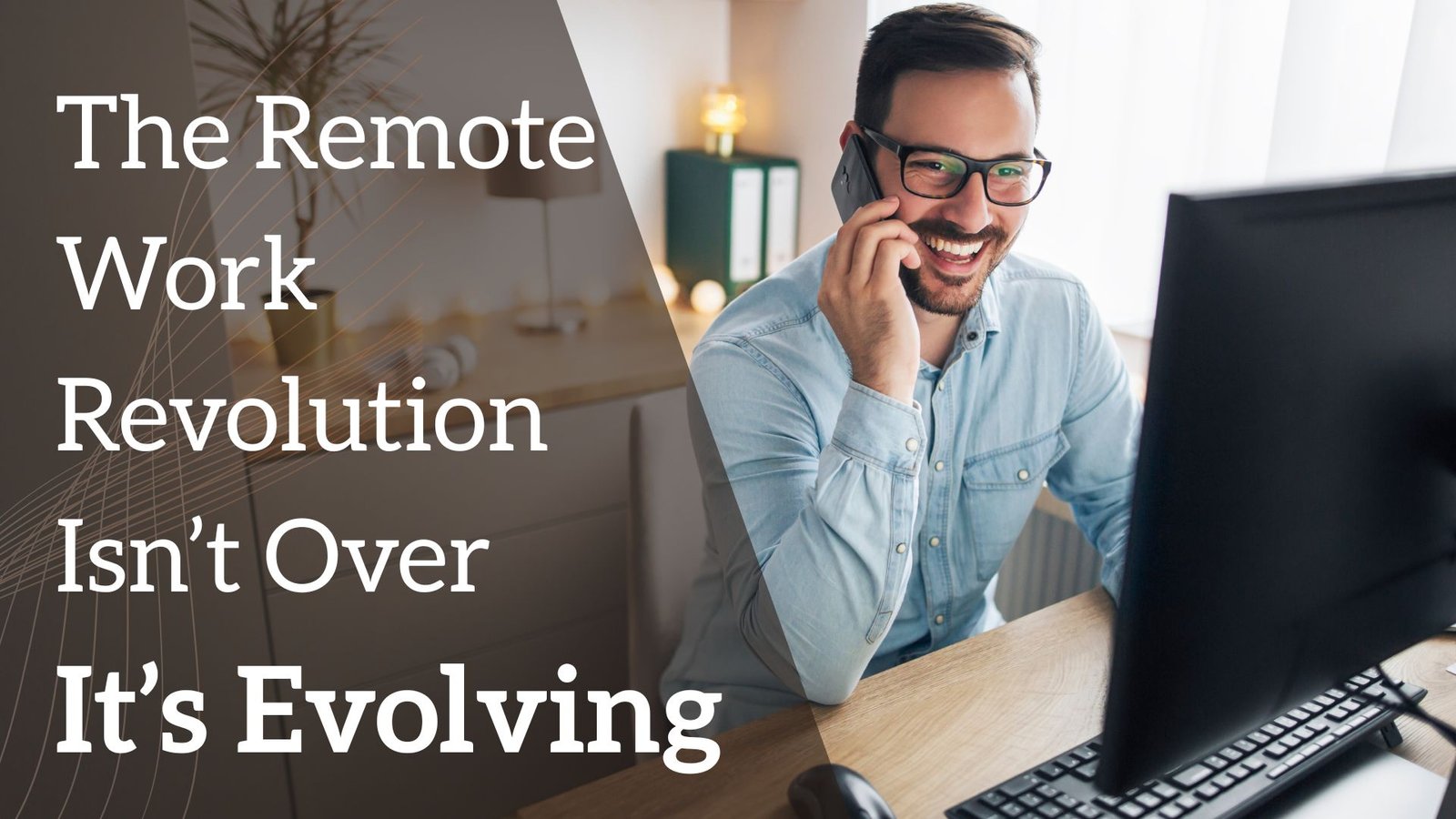
Remote work is no longer just a temporary response to global disruptions — it is now a fundamental feature of the modern workforce. In 2026, millions of workers around the world have transitioned into flexible jobs, redefining what it means to build a career, balance life, and pursue purpose.
One of the main reasons remote work has taken root is the evolution of digital communication. Tools like video conferencing, cloud collaboration platforms, and real-time project management systems have eliminated many barriers that once made remote work inefficient. Instead of being confined to offices, professionals now collaborate seamlessly across time zones and continents.
This shift has had a profound effect on people’s lives. For many, remote work has brought freedom and flexibility. Parents can now structure their day around family needs without sacrificing productivity; young professionals can travel while fulfilling their job responsibilities; and people in smaller cities or rural areas have access to jobs that were once limited to major metropolitan centers.
This new flexibility has not only expanded job access — it has changed how work is valued. Employers are increasingly measured by productivity rather than physical presence. Performance reviews now focus on outcomes, timeliness, and quality, rather than hours logged at a desk. This shift has helped reduce stress, improve morale, and give workers more control over how they manage their time.
At the same time, remote work has spurred growth in hybrid models, where employees combine time at home with periodic collaboration in physical spaces. This flexibility supports both autonomy and meaningful human interaction, helping workers feel connected and supported without sacrificing independence.
However, remote work also brings challenges. Maintaining clear boundaries between work and life can be difficult when the home becomes the workplace. Many workers report struggling to disconnect after hours, while others highlight the emotional challenges of working in isolation. To address this, forward-thinking companies are investing in social engagement, mental health support, and team retreats that foster community and connection.
Another important shift in the remote work era is the rise of digital nomad visas offered by governments eager to attract global talent. These programs allow professionals to live and work in different countries while contributing to local economies through tourism, spending, and investment. For many, this opportunity represents a whole new lifestyle — combining work with cultural exploration.
In 2026, remote work no longer feels like a trend — it feels like a lasting transformation. It reflects a broader shift in values: people want purpose, flexibility, and balance just as much as they want professional growth. As careers continue to evolve, the future of work is not defined by where it happens — but by how meaningfully it enriches people’s lives.