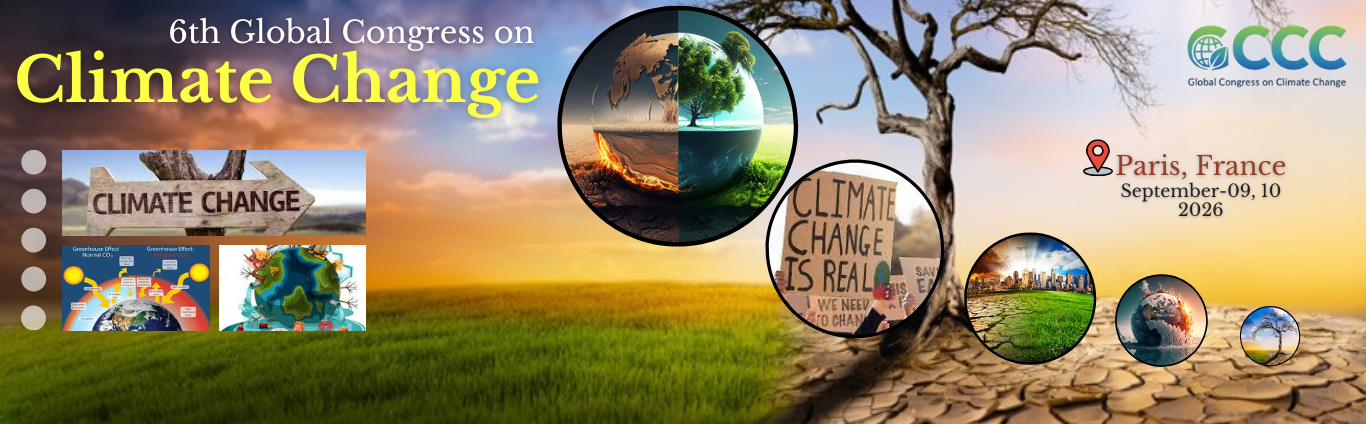
Climate change has become a pressing reality in 2026, impacting millions of lives worldwide. From rising sea levels to unpredictable weather patterns, communities are finding innovative ways to adapt. Yet the most striking aspect is how human resilience and cooperation are shaping solutions.
In rural regions, farmers are turning to drought-resistant crops and modern irrigation techniques to protect their livelihoods. Coastal cities are restoring wetlands and planting mangroves to act as natural barriers against floods. Urban neighborhoods are introducing rainwater harvesting and community gardens, showing that practical solutions and human creativity go hand in hand.
Technology plays a supporting role. Mobile applications provide early warning for storms, satellites track environmental changes, and sensors monitor water quality. But it is local knowledge, collaboration, and community action that make these solutions sustainable. NGOs, schools, and neighborhood groups are educating residents, spreading awareness, and building resilience from the ground up.
International cooperation also helps. Countries share expertise, fund climate-resilient infrastructure, and assist communities affected by disasters. However, challenges remain: marginalized groups often bear the greatest burden. Ensuring that adaptation strategies are inclusive is key.
The story of climate resilience in 2026 is ultimately a human story. It demonstrates that while environmental challenges are vast, collective ingenuity, empathy, and determination can lead to lasting solutions.