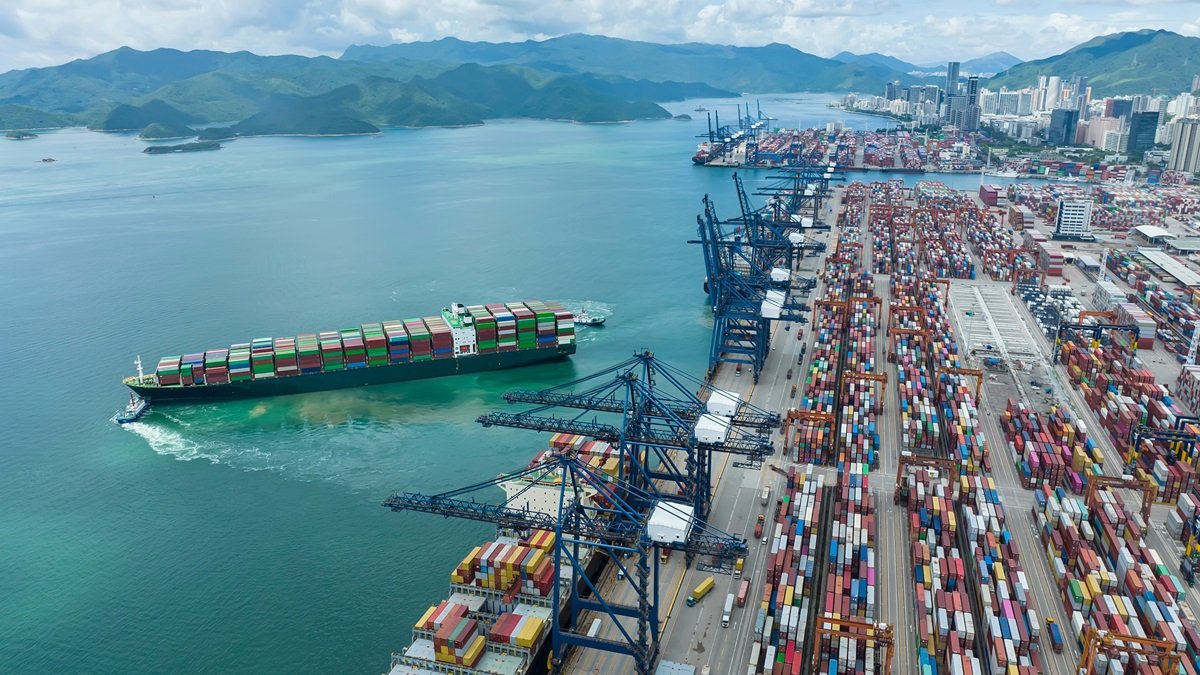
In 2026, global trade is experiencing one of the most transformative periods in recent history. From supply chain realignments to the rise of regional economic blocs, trade isn’t just something that happens between governments — it’s influencing how everyday citizens eat, work, and plan their futures.
A key driver of change this year has been diverse regional partnerships. Instead of relying solely on traditional trade giants, countries in Asia, Africa, and Latin America are increasingly establishing independent trade agreements. These collaborations emphasize shared gains over competitive dominance, which is shifting how goods, services, and ideas move across borders.
For example, manufacturers in Southeast Asia have expanded into new markets in Africa using simplified customs agreements and cooperative investment frameworks. This not only allows companies to thrive but also creates jobs and new opportunities for workers in regions that were once on the periphery of global commerce.
Another significant trend is the emphasis on digital trade. E-commerce platforms now serve as critical trade bridges — small businesses in one country can reach customers halfway around the world without needing massive capital. Because of this, local artisans and startups are seeing growth rates that rival traditional multinational companies. This shift has opened up economic opportunities for people who once faced barriers due to geography or limited infrastructure.
Consumers are feeling the effects too. Supply chains that once seemed opaque are becoming more transparent as companies share their sourcing data publicly. This transparency empowers shoppers to make informed choices about sustainability, labor practices, and origin sources. It’s no longer just about price — people want to support ethical and responsible trade.
While these trends are promising, they also present challenges. Supply chain resilience remains a top concern for policymakers and business leaders alike. Geopolitical tensions have prompted some nations to rethink dependencies on certain regions for essential goods. As a result, many countries are diversifying their sources to reduce risk. This change has boosted local manufacturing in some areas, providing more balanced economic ecosystems.
Amid these shifts, ordinary workers are adapting too. Skills related to logistics, digital commerce, data analysis, and multilingual communication are now increasingly valuable. Educational institutions are evolving curricula to prepare students for jobs that bridge international trade and digital innovation.
Ultimately, the trade landscape of 2026 reflects a new global balance — one rooted in cooperation, adaptability, and mutual benefit. People around the world are participating more directly in global commerce than ever before, and this trend is reshaping daily life in remarkable ways. What was once a distant concept is now something felt at the local level — from household budgets to career pathways.