Home Blog Page 10

The Mental Game: How Psychology Shapes Athletic Performance

0

When we think of athletes, we often focus on physical strength, speed, and endurance. But behind every great performance lies an even greater mind. Sports psychology plays a crucial role in helping athletes overcome pressure, stay focused, and reach peak performance.

Mental training teaches athletes how to handle stress, maintain confidence, and visualize success. Techniques such as goal-setting, mindfulness, and mental rehearsal are used by top performers across all sports — from tennis and football to swimming and track.

One famous example is Olympian Michael Phelps, who practiced visualization techniques before every race, imagining each stroke and turn in detail. This mental preparation allowed him to stay calm even in high-pressure moments.

Coaches today are recognizing that training the mind is just as important as training the body. Teams are hiring psychologists to improve communication, motivation, and mental resilience.

In the end, success in sports isn’t only about who’s the strongest or fastest — it’s about who can stay calm, focused, and confident when it matters most.

The Future of Learning: How Technology Is Shaping Modern Education

0

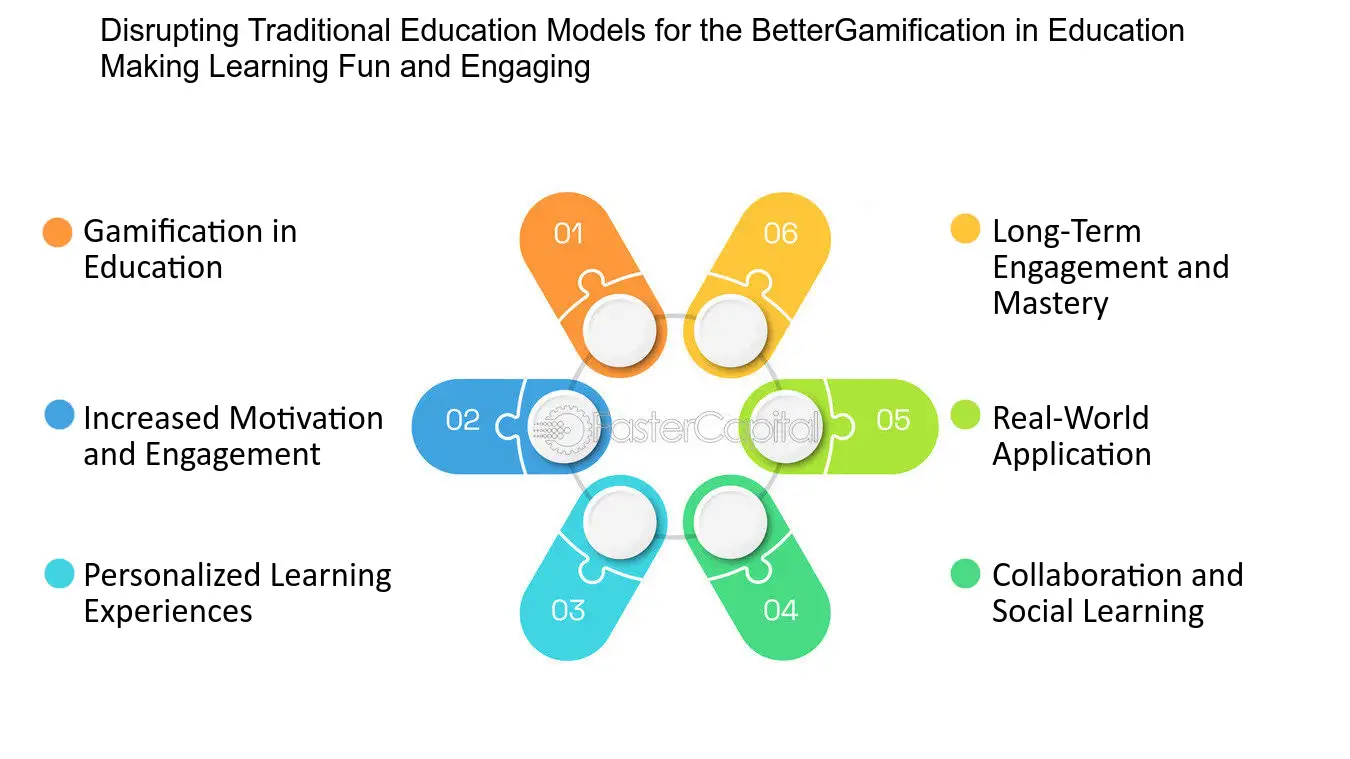
Education has always been the cornerstone of human progress, but the way people learn has changed dramatically over the past decade. From online courses to digital classrooms, technology has redefined the meaning of learning — making it more accessible, flexible, and personalized than ever before.

In traditional education, students were limited to physical classrooms and face-to-face instruction. However, with the rise of digital tools such as video conferencing, AI tutors, and interactive e-learning platforms, the classroom has expanded beyond walls. Students from any part of the world can now access top universities, join global discussions, and learn at their own pace.

One of the biggest advantages of modern education technology is personalization. Artificial intelligence helps analyze a student’s learning style and tailors lessons accordingly. Platforms like Khan Academy, Coursera, and Udemy use data analytics to suggest courses and learning paths suited to individual strengths and weaknesses.

Moreover, digital learning encourages lifelong education. Adults who once struggled to find time for personal growth can now learn new skills online — from coding to creative writing — without quitting their jobs.

While challenges such as screen fatigue and digital distractions persist, the benefits outweigh the drawbacks. The future of learning is not just digital — it’s dynamic, inclusive, and continuous. Education is no longer something you finish; it’s something you live with throughout your life.

The Power of Sleep: Why Rest Is the Real Key to Wellness

0

In a world that celebrates hustle and long hours, sleep is often underestimated. Yet, numerous studies have shown that proper rest is one of the most powerful tools for mental and physical health.

Sleep affects everything — from brain performance and mood to immunity and metabolism. When we sleep, our bodies repair tissue, regulate hormones, and consolidate memories. Chronic sleep deprivation, on the other hand, increases the risk of heart disease, obesity, anxiety, and even depression.

Experts recommend 7–9 hours of quality sleep for adults, but it’s not just about the number of hours — it’s also about sleep quality. Good habits such as reducing screen time before bed, maintaining a consistent sleep schedule, and keeping your bedroom dark and quiet can significantly improve rest.

In the pursuit of a healthy lifestyle, people often focus on diet and exercise. But sleep remains the third pillar of health — equally important, if not more. True wellness begins not with doing more, but with resting better.

Sustainable Business: The Path to Long-Term Success

0

In today’s rapidly changing economy, the idea of “profit above all” is slowly fading. Modern consumers care not only about what companies sell but how they operate. Sustainable business practices are no longer a luxury — they’re a necessity for survival.

A sustainable business focuses on balancing profit with environmental and social responsibility. This means reducing waste, using renewable energy, supporting fair labor, and maintaining transparency. Brands like Patagonia, Tesla, and Unilever have shown that doing good can go hand-in-hand with doing well.

The demand for eco-friendly products and ethical companies has grown dramatically. Research shows that more than 70% of consumers prefer to buy from brands that align with their personal values. As a result, businesses adopting sustainability are gaining long-term trust and loyalty.

Sustainability also improves efficiency. Companies that minimize resource waste or optimize supply chains often save money in the long run. The future of business belongs to those that understand their impact — not just on their customers, but on the planet itself.

Man of Press — Storytelling Reimagined

0

In a world full of echoes, Man of Press is your original voice. We craft content that breathes—words that live and shift, stories that linger in your mind long after you’ve left the page.

The Heart We Carry

We are not a machine. We are not a news-farm. We are humans gathering stories, chasing ideas, and weaving meaning. We believe that in every niche, every angle, there is a kernel waiting to be unearthed.

What Moves Us

  • The spaces between headlines—what lies beneath the surface

  • Individuals who refuse to yield to the status quo

  • Questions worth asking, even when no one else is asking them

  • Craft, care, and the urge to make language feel urgent

Our Content Suite

  • Essays & deep thought: We chase the friction behind culture, identity, and transformation.

  • Narrative journalism & profiles: From hidden creators to public figures, we paint portraits with empathy and insight.

  • Practical wisdom: Tips that aren’t cliché — they come from real trials, real experiments.

  • Provocations & reflections: We challenge accepted norms, provoke nuance, and spark introspection.

How We Think About SEO

We don’t chase search bots — we court readers. We nestle in keywords only where they belong. We let stories lead, not algorithms. That said, we understand your world: better visibility means more voices heard. So every post is optimized gently — clean structure, smart headings, readable URLs, strong internal linking, and naturally placed phrases people actually type.

Why Stay

Because here, you won’t feel sold to or talked down to. You’ll feel seen. You’ll feel teased, sparked, maybe unsettled — and, often, deeply enriched. We aim to be less like a website and more like a companion you trust.

Join the Story

Read widely. Comment bravely. Share fiercely. Your ideas matter. Your voice matters. Let’s press on, together.

The Changing Landscape of Global Journalism in the Digital Age

0

Journalism has always been the heartbeat of democracy. From newspapers inked by hand to 24-hour television broadcasts, each era has found its own way to keep the public informed. Yet in 2025, journalism is facing perhaps its greatest transformation: the struggle to remain authentic in a sea of digital noise.

The Battle Against Misinformation

The internet opened the floodgates to citizen voices, blogs, and independent commentary. While this democratized media, it also created fertile ground for false news. Fact-checking organizations are now as critical as traditional newsrooms, working tirelessly to combat disinformation campaigns that spread faster than truth.

Rise of Independent Media

Audiences, tired of corporate control, are flocking to independent outlets and newsletters. These smaller platforms often focus on niche areas — from local governance to climate action — providing depth where mainstream headlines skim. The trust gap between readers and large outlets has opened the door for new voices.

AI in the Newsroom

Artificial intelligence is both a tool and a threat. It can process vast datasets, transcribe interviews, and detect patterns. But it also raises concerns about authenticity. Readers increasingly demand transparency: who wrote the article, and how much of it was shaped by algorithms?

The Human Touch Remains Vital

Despite the flood of technology, what audiences crave is humanity: the voice of a journalist who has walked the streets, spoken with real people, and connected facts with feeling. The future of news will not be written by bots, but by humans who understand context, empathy, and nuance.

Women’s Sports Are Finally Stealing the Spotlight

0

For decades, women athletes have fought for equal recognition. Today, in 2025, the sports world is witnessing a long-overdue shift: women’s sports are not just gaining attention — they are commanding it.

Record-Breaking Viewership

Events like the Women’s World Cup and international tennis tournaments are breaking audience records. Television networks and streaming platforms are discovering what fans have known for years: women’s sports bring drama, skill, and passion equal to men’s games.

Investment and Sponsorship

Major brands are investing in women’s teams and athletes at unprecedented levels. Sponsorship deals, once reserved for male athletes, are now being spread more equitably. This financial backing is elevating training facilities, salaries, and visibility for women across multiple sports.

Role Models for the Next Generation

The rise of female champions is inspiring millions of young athletes. Girls now grow up with visible role models across football, basketball, athletics, and more. Representation matters, and the new wave of heroes is reshaping cultural expectations.

Still Work to Do

Equality is growing, but challenges remain. Pay gaps, media coverage imbalances, and infrastructure inequities are persistent. Yet momentum is building. With growing fanbases and commercial support, women’s sports are moving from the margins to the mainstream.

The future of sports is not male or female — it is inclusive, diverse, and unstoppable.

Sports in a Connected World: Beyond Competition and Into Community

0

Sports have always been about competition, but in today’s world, they are also about connection. Whether it’s millions watching the World Cup or local fans cheering for their neighborhood teams, sports unite people across borders, cultures, and languages.

Modern sports are not just physical events; they are global experiences. Social media allows fans to share highlights instantly, debate strategies, and celebrate victories together, regardless of geography. Streaming services ensure that even niche sports find dedicated audiences.

At the same time, athletes are no longer just players on the field. They are role models, activists, and entrepreneurs. Many use their platforms to speak about social justice, environmental issues, and community causes, making sports a catalyst for social change.

Technology has also transformed the game itself. Data analytics, AI-driven training, and advanced medical care enhance performance while reducing injury risks. For fans, innovations like virtual reality create immersive viewing experiences as if they were in the stadium.

Beyond the glitz and competition, the spirit of sports lies in its ability to inspire teamwork, discipline, and resilience. More than trophies, sports build communities and memories that last far longer than the final

Health in Focus: Why Prevention Is the Real Cure

0

The global health conversation is shifting from treatment to prevention. For decades, healthcare systems focused primarily on curing diseases after they occurred. But now, there is a growing recognition that prevention is not only healthier but also more cost-effective.

Preventive healthcare begins with lifestyle choices. Regular exercise, balanced diets, mental wellness, and routine check-ups reduce the risk of chronic illnesses such as diabetes, heart disease, and obesity. In fact, doctors now emphasize that 70% of health outcomes are influenced by personal behavior rather than medical intervention.

Technology also plays an essential role. Wearable devices monitor heart rates, track sleep cycles, and even alert users about irregularities before they become dangerous. Apps remind patients to take medication or schedule tests. Healthcare has moved from clinics into people’s everyday lives.

The mental health movement is another crucial aspect. Stress, anxiety, and burnout are now recognized as medical issues, not just personal struggles. Meditation apps, therapy platforms, and community support groups highlight the importance of emotional well-being.

Ultimately, prevention represents a shift in mindset. Instead of waiting for illness to strike, people are encouraged to take control of their health journeys. The result is not just a longer life but a healthier and more fulfilling one.

Entertainment in the Digital Era: Where Storytelling Meets Technology

0

Entertainment has always been about storytelling, but the way stories are told has changed dramatically. The traditional cinema hall, while still popular, now competes with streaming platforms, video games, and immersive virtual experiences. People no longer wait weeks for a movie release; they stream it instantly on their devices.

Streaming services have given rise to a new form of global entertainment. A Korean drama can trend in the U.S., while an indie filmmaker from India can find an audience in Europe. Borders no longer limit creativity. This democratization of content allows fresh voices to shine in ways that were impossible a decade ago.

Another significant shift is interactive entertainment. Gaming, virtual reality, and augmented reality blur the line between creator and consumer. Instead of passively watching a story, audiences now participate in it. Concerts are being held in virtual spaces, attended by millions from around the world without leaving home.

Social media has also transformed how people engage with entertainment. Fans are no longer distant admirers; they actively shape trends, share reviews, and even influence what gets produced next. Entertainment is now a two-way conversation.

Despite these changes, one thing remains constant: the human desire for stories. Technology may alter the medium, but the core of entertainment — emotional connection — continues to define its success.