Home Blog Page 16

The Role of Technology in Modern Education

0

Technology has dramatically transformed modern education, making learning more interactive, accessible, and personalized. From digital classrooms to online resources, students now have unprecedented opportunities to expand their knowledge.

E-learning platforms, video tutorials, and virtual simulations allow students to learn at their own pace, catering to individual needs. Teachers can use analytics to track progress, identify challenges, and provide targeted support. This personalized approach enhances understanding and retention.

Technology also bridges educational gaps. Students in remote or underprivileged areas can access quality content, connect with expert educators, and participate in global learning communities. Collaboration tools and digital forums foster interaction and exchange of ideas beyond geographical boundaries.

However, reliance on technology presents challenges, including digital divide issues, screen fatigue, and the need for digital literacy. Educators and policymakers are focusing on balancing technology use with traditional teaching methods to ensure holistic learning experiences.

The integration of technology in education is not just a response to modern demands—it is a long-term evolution that empowers students, supports teachers, and prepares learners for a rapidly changing world. As tools and methodologies continue to improve, education becomes more inclusive, engaging, and effective.

The Revival of Local Tourism in the Post-Pandemic Era

0

Local tourism is experiencing a revival as travelers seek nearby destinations in the post-pandemic era. People are exploring hidden gems within their own regions, opting for short trips over international travel. This trend benefits local economies, small businesses, and communities.

Domestic travelers are drawn to cultural heritage sites, nature reserves, and scenic towns that often go unnoticed by international tourists. These visits help sustain local artisans, hotels, and restaurants, keeping traditions alive and boosting regional pride.

Safety and convenience are major factors driving local tourism. Travelers prefer destinations that are easily accessible, with minimal travel risk. As a result, cities and towns are investing in infrastructure, marketing campaigns, and digital booking systems to attract domestic visitors.

The environmental benefits of local tourism are also notable. Reduced air travel decreases carbon emissions, while smaller-scale tourism minimizes overcrowding and pressure on natural resources. Many destinations are adopting eco-friendly practices, such as waste management and sustainable accommodations.

Experts believe that local tourism will continue to grow as people prioritize meaningful experiences over extravagant trips. By exploring nearby wonders, travelers can enjoy the beauty, culture, and history of their own country while supporting sustainable economic growth.

How Artificial Intelligence is Reshaping Everyday Life

0

Artificial intelligence (AI) has rapidly moved from research labs into everyday life, influencing how we work, communicate, and entertain ourselves. From virtual assistants to predictive algorithms, AI is seamlessly integrated into modern technology.

In business, AI is optimizing operations, enhancing customer experiences, and driving innovation. Companies use AI to analyze massive datasets, predict market trends, and automate repetitive tasks. This efficiency allows organizations to focus on creativity and strategy, resulting in improved services and products.

AI also affects personal life. Voice-activated assistants, recommendation systems for streaming platforms, and smart home devices demonstrate how AI simplifies daily routines. In healthcare, AI aids in early disease detection, personalized treatment plans, and medical imaging analysis.

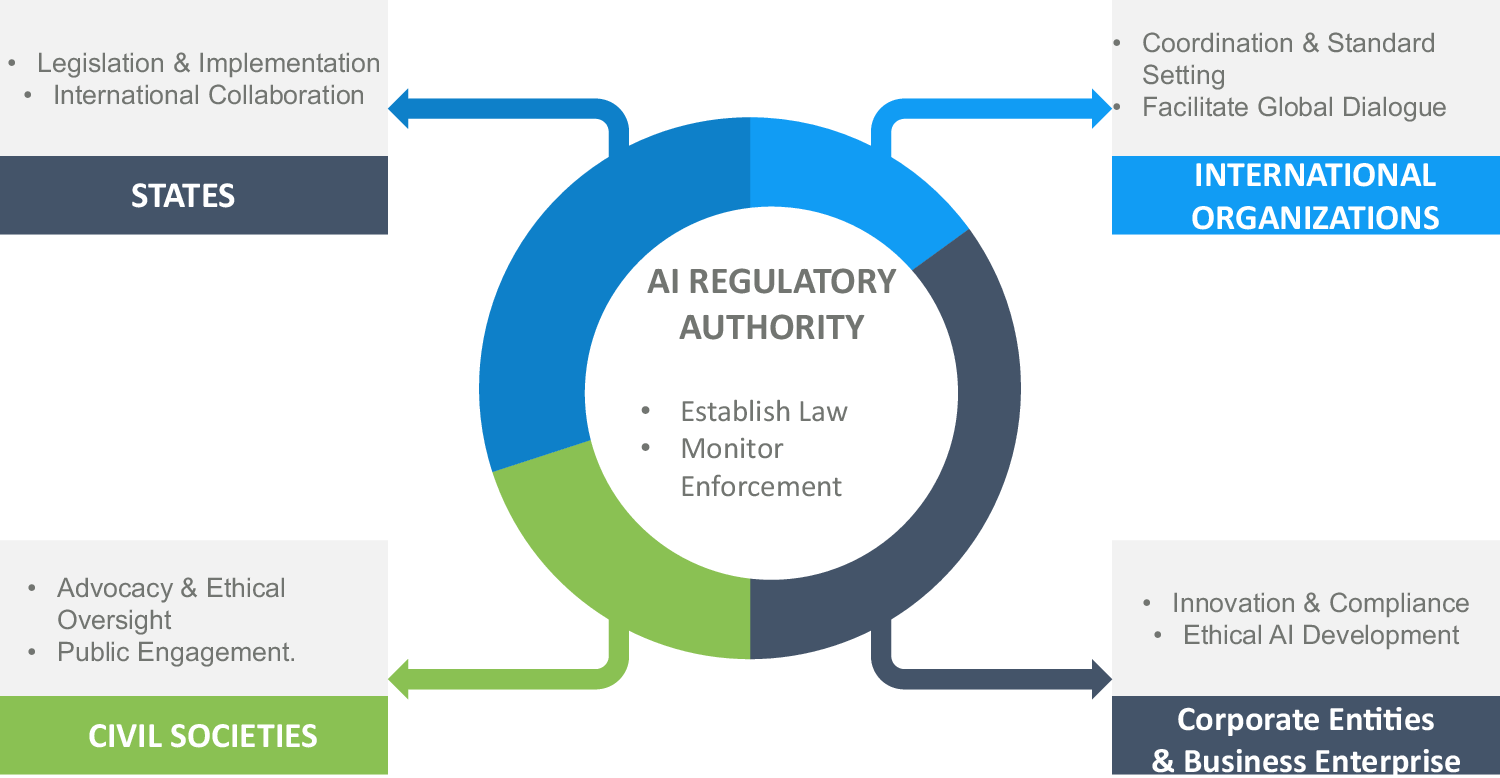
Despite the advantages, ethical concerns surrounding AI are growing. Privacy, data security, and potential biases in algorithms need careful regulation. Experts stress the importance of responsible AI development, ensuring that technology benefits humanity without compromising safety or fairness.

As AI continues to evolve, it will remain a transformative force across industries and society. Balancing innovation with ethical practices will be crucial in shaping a future where AI enhances, rather than disrupts, human life.

The Rise of Telemedicine: Transforming Healthcare Access

0

Telemedicine has rapidly transformed healthcare, making medical consultation more accessible than ever. With advancements in digital communication, patients can now connect with doctors remotely, reducing the need for physical visits.

The convenience of telemedicine is particularly significant for rural and underserved communities. People in remote areas can access specialists without traveling long distances, saving time and money. This approach also helps reduce overcrowding in hospitals and clinics, improving overall healthcare efficiency.

Telemedicine is not limited to consultations. Remote monitoring devices, virtual therapy sessions, and AI-driven diagnostic tools are increasingly used to manage chronic diseases, mental health, and preventive care. Patients can track their health in real time, while doctors can provide timely interventions.

However, challenges exist, including privacy concerns, internet accessibility, and limitations in conducting physical examinations. Regulatory frameworks are evolving to ensure safe and effective telemedicine practices.

The COVID-19 pandemic accelerated the adoption of telemedicine, proving its value in maintaining healthcare continuity during lockdowns. Experts predict that telemedicine will remain an integral part of healthcare, complementing traditional in-person services and making quality care more accessible globally.

The Global Push for Renewable Energy and Its Impact

0

The shift towards renewable energy has gained unprecedented momentum worldwide. With the urgent need to combat climate change, governments, businesses, and individuals are investing in sustainable energy solutions like solar, wind, and hydroelectric power.

One of the main benefits of renewable energy is its environmental impact. Unlike fossil fuels, renewables produce little to no greenhouse gases, helping reduce global warming and air pollution. Countries like Germany, China, and the United States are leading the way in deploying large-scale solar farms and wind turbines, contributing significantly to cleaner energy production.

Economically, renewable energy offers job creation and innovation opportunities. Engineers, technicians, and scientists are in demand, and startups focused on sustainable technology are flourishing. Cities are also implementing smart grids and energy storage systems to maximize efficiency and reliability.

Despite the benefits, challenges remain. Intermittency issues, high initial investment costs, and land use conflicts can hinder progress. However, technological advancements and supportive policies are gradually overcoming these obstacles.

As nations continue to adopt renewable energy, the long-term effects extend beyond cleaner air and reduced carbon emissions. It fosters economic growth, enhances energy security, and encourages sustainable lifestyles, making renewable energy a cornerstone of the global future.

Mental Health Awareness Gains Momentum in Schools

0

Mental health awareness is gaining unprecedented attention in educational institutions. Schools around the world are recognizing that academic performance alone does not determine a child’s success; emotional well-being is equally crucial.

Programs aimed at supporting mental health are now being integrated into curriculums. Teachers are receiving training to identify signs of stress, anxiety, or depression, while students have access to counseling and peer support groups. Early intervention is key, as untreated mental health issues can lead to long-term academic and personal struggles.

Parents also play a vital role in fostering healthy emotional environments. Open conversations about feelings, balanced screen time, and encouraging physical activity are just some of the practices that contribute to mental well-being.

The COVID-19 pandemic further highlighted the importance of mental health, with lockdowns and social isolation affecting children’s emotional development. Schools have responded by implementing mindfulness programs, virtual therapy sessions, and workshops that teach coping strategies.

Experts believe that normalizing mental health discussions in schools can break stigmas and empower students to seek help without fear. As awareness grows, communities become stronger, and young individuals are better equipped to navigate the challenges of modern life.

The Rise of Remote Work and Its Impact on Urban Life

0

Remote work has rapidly transformed the way people live and work around the globe. What once seemed like a temporary solution during crises has now become a permanent part of modern urban life. With technology enabling seamless communication from anywhere, employees are no longer tied to traditional office spaces.

The shift to remote work has significantly impacted city life. Many employees are relocating from densely populated urban centers to suburban or rural areas, seeking more space and a higher quality of life. This migration is affecting local economies, commercial real estate, and even transportation systems. Office buildings are seeing lower occupancy rates, while neighborhoods in suburban towns are experiencing an uptick in housing demand.

Beyond economics, remote work has reshaped social dynamics. While employees enjoy flexibility, they also face challenges such as isolation and difficulty separating work from personal life. Companies are adapting by introducing virtual collaboration tools, flexible schedules, and mental health support initiatives.

Despite these challenges, remote work offers undeniable benefits. Employees save commuting time, reduce stress, and gain more control over their schedules. Cities, in turn, are finding opportunities to reimagine public spaces, promote local businesses, and invest in digital infrastructure to support a more decentralized workforce.

Experts believe that hybrid models combining in-office and remote work may become the new norm. As this trend continues, both individuals and cities will need to adapt to maintain productivity, social connections, and economic growth.


2. Title: Electric Vehicles: Changing the Future of Transportation

Electric vehicles (EVs) are no longer a futuristic concept—they are actively reshaping the transportation landscape. As governments push for cleaner energy and stricter emission regulations, EV adoption has accelerated worldwide. Cities are beginning to integrate charging infrastructure, making it easier for residents to switch from traditional fuel-powered vehicles.

One of the main advantages of EVs is their environmental impact. Unlike conventional vehicles, EVs produce zero tailpipe emissions, reducing air pollution and improving public health. In heavily congested urban areas, this shift is particularly significant, as poor air quality has been linked to respiratory diseases and other health issues.

Economic factors are also driving EV growth. While initial purchase costs can be higher, the reduced maintenance and fuel expenses make EVs more affordable over time. Incentives such as tax rebates and subsidies further encourage adoption.

However, challenges remain. Battery production requires rare minerals, charging infrastructure is still limited in many regions, and long-distance travel can be less convenient than traditional vehicles. Manufacturers and policymakers are working together to address these issues, investing in sustainable battery technology and expanding charging networks.

As more people embrace EVs, cities are likely to see quieter streets, cleaner air, and a healthier environment. The rise of electric mobility is not just a technological shift—it is a societal transformation that promises a more sustainable future.

How Urban Farming is Transforming Cities Around the World

0

In recent years, urban farming has emerged as more than just a trend; it has become a practical solution to some of the most pressing challenges faced by modern cities. With urban populations growing at an unprecedented rate, cities are grappling with issues like food insecurity, rising living costs, and environmental degradation. Urban farming offers a way to address these problems while also fostering stronger communities.

Unlike traditional agriculture, which requires vast tracts of land, urban farming makes use of underutilized spaces—rooftops, vacant lots, and even vertical walls. Small-scale projects, such as community gardens or rooftop vegetable patches, are sprouting across cities in Europe, Asia, and North America. These initiatives not only provide residents with fresh produce but also reduce the carbon footprint associated with transporting food over long distances.

One striking example can be seen in Singapore, a city-state known for its limited land area. Innovative vertical farms are now capable of producing thousands of kilograms of leafy greens each month, using hydroponic systems that consume far less water than conventional farming. Meanwhile, in cities like New York and London, local communities are reclaiming abandoned lots and turning them into lush green spaces that double as both food sources and social hubs.

Beyond the environmental benefits, urban farming is contributing to the social fabric of cities. Residents involved in these projects report increased social interaction, a sense of purpose, and improved mental health. For elderly participants, tending to plants offers physical activity and a meaningful daily routine. For young people, it provides educational opportunities and a hands-on understanding of sustainability and ecology.

Economically, urban farming is creating new pathways for entrepreneurship. Farmers’ markets, subscription-based vegetable boxes, and small-scale urban agriculture startups are connecting producers directly with consumers. This not only increases local food availability but also creates jobs and fosters innovation in food production techniques.

However, the growth of urban farming is not without challenges. Limited space, zoning regulations, and the need for technical expertise can impede the establishment of new projects. Additionally, ensuring the safety and quality of produce grown in urban environments requires careful planning and monitoring. Despite these obstacles, the global momentum behind urban agriculture continues to rise, driven by increasing awareness of climate change, food security, and sustainable living practices.

Experts agree that integrating urban farming into city planning could be a vital step toward creating resilient urban environments. By promoting local food production, cities can reduce dependence on external supply chains, cut emissions, and enhance community engagement. Moreover, urban farming encourages city dwellers to reconnect with the sources of their food—a connection often lost in modern urban life.

In conclusion, urban farming is no longer a niche hobby; it is becoming a critical component of sustainable urban development. As more cities embrace this practice, the benefits extend far beyond the vegetables harvested. Communities grow stronger, environments become healthier, and city life becomes a little greener, one rooftop or vacant lot at a time.

Lab‑Grown Human Eggs and Sperm Could Become Reality Within a Decade

0

Scientists are racing toward a remarkable goal: creating functional human sperm and eggs entirely in the lab from adult cells. While breakthroughs in animal models have already achieved success, researchers now say this could become a clinical reality for humans within five to ten years.


🎯 The Promise and the Process

Known as in‑vitro gametogenesis (IVG), this groundbreaking technique starts by reprogramming a person’s skin or blood cells into stem cells. These stem cells are then coaxed into forming germ cells—the building blocks of sperm or eggs—which are grown inside lab-created mini-organs, or organoids. In mice, researchers have successfully produced primitive sperm and ovarian tissue, demonstrating the potential for a full gamete creation system.

This achievement isn’t theoretical: leading teams—such as those at Osaka University under Professor Katsuhiko Hayashi, Kyoto University, and Conception Biosciences in California—have already created early-stage mouse gametes inside organoids. Some scientists forecast that adult human sperm and eggs produced in this way could occur in as little as seven years.


🔬 Why It Matters

  1. Expanding Reproductive Options
    IVG could transform fertility, offering pathways to biological parenthood for individuals facing infertility, same-sex couples, single parents, or those wishing to delay childbearing due to age.

  2. Addressing Demographic Challenges
    With global birth rates in some regions declining, laboratory-generated gametes could rethink family planning and demographic strategies, potentially easing population decline.

  3. Advancing Therapeutic Medicine
    Beyond fertility, IVG could contribute to regenerative medicine. Generating germ cells in the lab could yield new models for genetic diseases and drug screening tools.


⚠️ Challenges Still Ahead

This rapidly advancing field raises important safety and ethical concerns:

  • Genetic Integrity and Health Risks
    Every step—reprogramming cells, converting them into germ cells, growing them to maturity—needs rigorous safety testing. Genetic anomalies or mutations during development could be passed on to future generations.

  • Long‑Term Outcomes Uncertain
    Although mice have been born using lab-created gametes, we need decades-long studies to confirm that such offspring remain healthy, fertile, and free of unintended consequences.

  • Ethical and Societal Complexity
    As the science progresses, tough questions arise: should same-sex or multi-parent gametes be allowed? How will gene-editing tools intersect with IVG? Regulations must balance innovation with careful oversight.

Regulatory bodies are already responding. Some countries explicitly ban lab-grown gametes in fertility treatments, while others are developing safety frameworks. But norms and guidelines must evolve alongside science.


🌱 What’s Next?

In the short term, scientists aim to refine and test the protocol for human cells. That involves perfecting organoid systems, ensuring genetic stability, and verifying full functional maturity. Labs and biotech companies are collaborating closely—combining academic curiosity with private investment to tackle technical and regulatory milestones.

In parallel, ethicists, lawmakers, and the public are engaging in a vital conversation. As the line between natural conception and lab assistance blurs, society must decide how to integrate these possibilities responsibly.


✅ A New Frontier in Reproduction

IVG represents a remarkable leap forward. It could one day allow any individual—regardless of fertility status, age, or gender—to create biological offspring. But the promise comes with heavy responsibility: ensuring safety, guarding against misuse, and building ethical frameworks that match scientific progress.

We stand at the cusp of a reproductive revolution. What happens next depends not just on lab breakthroughs, but on our collective wisdom as a society.


Feel free to enrich the article with diagrams that illustrate how stem cells become sperm or eggs, infographics showing the timeline to clinical use, or expert quotes to deepen reader trust.

Milky Way’s “Ice” in Million‑Degree Fermi Bubbles: Clues to a Recent Galactic Outburst

0

Scientists have discovered unexpectedly cold clouds—described as “ice”—nestled within the scorching Fermi bubbles above and below our galaxy’s center, hinting at a dramatic eruption just one million years ago.


🚨 What Are Fermi Bubbles?

Stretching more than 25,000 light‑years above and below the Milky Way’s plane, the Fermi bubbles were first detected in 2010 via gamma‑ray observations. These vast lobes are believed to have been created by powerful outflows from the galaxy’s central supermassive black hole (Sagittarius A*) or a burst of star formation.

Until now, astronomers thought the bubbles contained only extreme environments—hot gas exceeding a million degrees Fahrenheit. But new findings reveal a surprising twist.


A Cold Surprise in a Hot Environment

Using the Robert C. Byrd Green Bank Telescope in West Virginia, researchers have detected compact pockets of cold, dense hydrogen—essentially cosmic “ice”—embedded within the bubbles jic.ac.uk+5smithsonianmag.com+5kmowon.blogspot.com+5 sciencedaily.com. The temperatures in these regions are drastically lower than expected, clashing with the searing million‑degree surroundings.

That such cold gas survives in this hostile environment is astounding. It suggests these hydrogen clouds have only existed for a short cosmic moment—around one million years. In astronomical terms, that’s almost yesterday. Their survival undermines theories that the bubbles are ancient, slow‑cooling structures.


A Young, Violent Event

The presence of cold gas in the Fermi bubbles forces a reevaluation: the galactic event that created them must have been recent—no older than about 1 million years. This points to a potential explosive episode at the Milky Way’s center—likely a sudden flare of activity from Sagittarius A* or a burst of hyper‑energetic starbirth, known as a starburst.

In either scenario, the energy released would have propelled charged particles far into space, creating the gamma‑luminous lobes we now identify as Fermi bubbles. The new discovery offers a timestamp, anchoring this galactic upheaval in recent cosmic history.


Why This Matters

  1. Rewriting Galactic History
    This finding transforms our understanding of the Milky Way, painting a picture of a galaxy that’s not quietly aging but still dynamically alive. Documenting an event only a million years old suggests ongoing, large‑scale changes at our core.

  2. New Clues About Galactic Feedback
    These outbursts affect how energy circulates and shapes the galaxy—regulating star formation, moving gas, and influencing the Milky Way’s lifecycle.

  3. Calibrating Galactic Models
    Cold gas in high‑energy zones is hard to simulate. Its presence refines computational models of galactic atmospheres, magnetic fields, and cosmic ray interactions.


The Road Ahead: Mapping the Ice

The next goal for astronomers is fine‑scale mapping of these hydrogen clouds: how big are they? Where exactly do they sit within the bubbles? And might more of them lurk unseen? These answers will come from follow‑up observations using both radio and X‑ray telescopes.

Placing these cold clouds against the backdrop of galactic history helps unravel the cause—be it a black hole’s tantrum or a stellar fireworks show.


Final Word

By uncovering these frozen droplets amid blistering gas, researchers have dramatically reshaped our story of the Milky Way. A cosmic disruption—wild, recent, and powerful—left its imprint, and scientists are only now following its cold breadcrumbs. This isn’t ancient history; it’s a recent event that shows our galaxy is still full of surprises.


Feel free to add visuals such as Green Bank telescope images or archive gamma-ray maps to increase reader engagement. Need SEO tips on titles, meta tags, or suggested headers? I’m happy to help!