Home Blog Page 4

The Evolution of Digital Media: How Streaming Changed Entertainment

0

Entertainment has entered a new era. Streaming platforms like Netflix, Disney+, and YouTube have completely transformed how audiences consume content.

Viewers no longer wait for scheduled broadcasts. They can binge-watch entire series, discover independent creators, and access global content instantly. This shift has allowed filmmakers and artists to experiment with storytelling, resulting in more creative and diverse content.

Streaming has also empowered new talent. Independent creators now reach millions of viewers without traditional gatekeepers, fostering innovation and inclusivity in the industry.

The future of entertainment is digital, personalized, and interactive. Audiences now have control over what, when, and how they watch. Streaming is no longer just a trend — it’s the new standard for media consumption.

The Rise of E-Learning: Transforming Education for Everyone

0

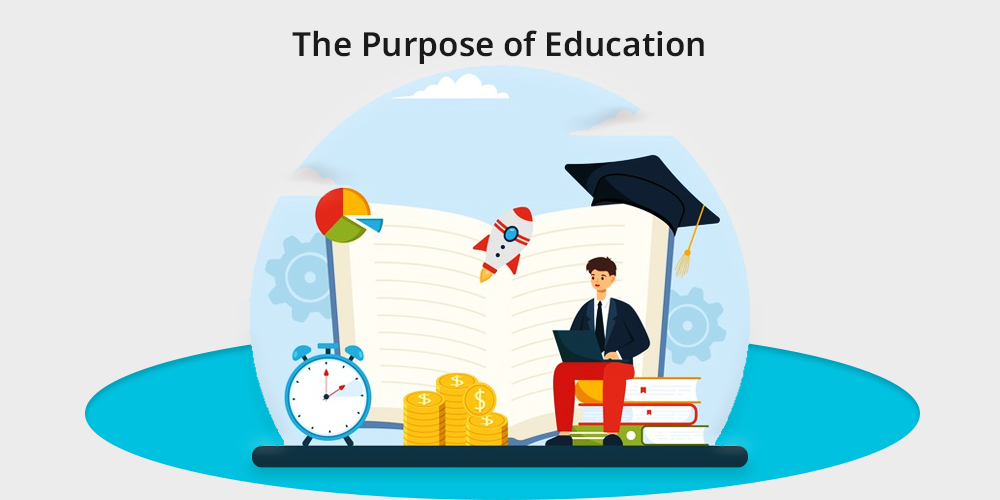
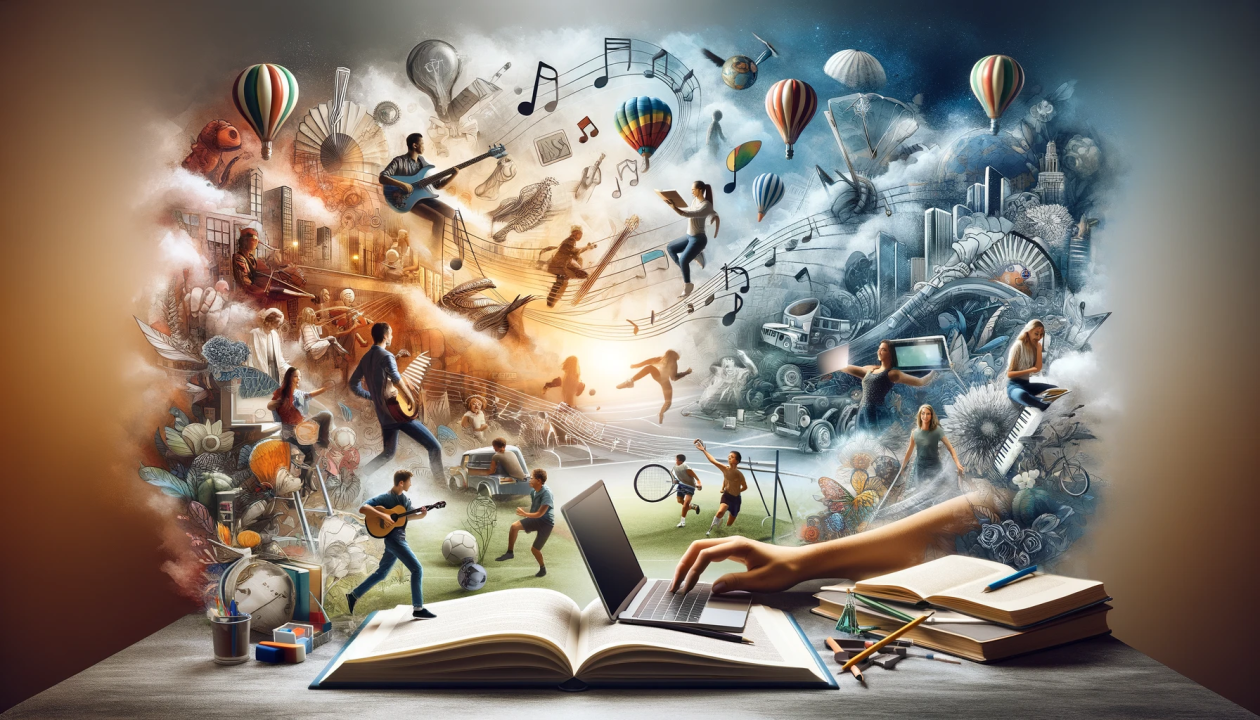
The way we learn has changed dramatically over the past decade. E-learning has made education accessible, flexible, and personalized for millions of people worldwide.

Online courses allow students to study at their own pace, explore subjects beyond traditional curriculums, and acquire skills relevant to the modern job market. Platforms like Coursera, Khan Academy, and Udemy offer everything from coding and marketing to art and philosophy.

E-learning benefits not only students but working professionals, parents, and lifelong learners. It eliminates geographical barriers, reduces costs, and provides opportunities for continuous growth.

To succeed in online learning, discipline, time management, and engagement are key. Participating in forums, completing assignments, and applying knowledge practically ensure the best results.

E-learning is no longer a supplement to traditional education — it is the future of learning, empowering individuals to achieve their goals anywhere in the world.

The Healing Power of Nature: Why You Should Spend More Time Outdoors

0

In an age of screens and concrete cities, reconnecting with nature is more important than ever. Studies show that spending time outdoors lowers stress, improves focus, and boosts immunity.

Natural sunlight increases vitamin D, while fresh air enhances mood and lung function. Even a short walk in the park can reduce anxiety and improve mental clarity.

Nature also restores balance. It reminds us that we’re part of something bigger — a living system where every element has purpose. From hiking in forests to gardening at home, the benefits of nature are both physical and emotional.

Make it a habit to disconnect from your phone and reconnect with the world around you. The Earth heals those who respect it — and in return, we heal ourselves. Because sometimes the best therapy is simply being outside.

The Rise of Remote Work: Redefining the Modern Workplace

0

The global shift toward remote work has changed the business landscape forever. What began as a necessity during global lockdowns has become a permanent trend — offering flexibility, efficiency, and freedom for millions.

20

Remote work benefits both companies and employees. Businesses save on overhead costs, while workers enjoy better work-life balance and reduced commuting stress. It has also opened global hiring opportunities — companies can now access talent from anywhere.

However, remote work requires discipline, communication, and digital organization. Companies must build trust and create systems to maintain productivity and connection.

The traditional 9-to-5 office model is fading, replaced by flexible, results-driven systems. The future of work isn’t about where you work — it’s about how effectively you create value.

Climate Change and Global Responsibility: A Shared Mission

0

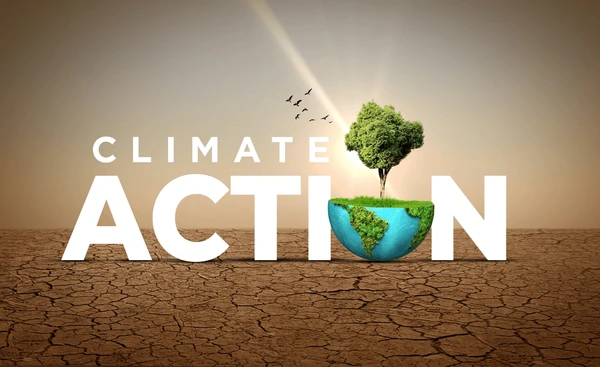
Climate change isn’t just an environmental issue — it’s a global challenge that affects every nation and generation. Rising sea levels, extreme weather, and ecosystem loss threaten the stability of life on Earth.

But hope remains. Across the world, countries, organizations, and individuals are working toward sustainability. From renewable energy to eco-friendly innovations, small actions are adding up to big results.

Developed nations play a key role in reducing emissions, but developing countries also need support to grow sustainably. Collaboration and awareness are essential to solving this crisis.

We can all contribute: planting trees, reducing plastic use, conserving energy, and supporting green policies. The Earth doesn’t belong to us — we belong to it. Together, we must act now so that future generations inherit a planet that thrives, not survives. Protecting Earth is protecting life itself.

Discipline Over Talent: What Champions Have in Common

0

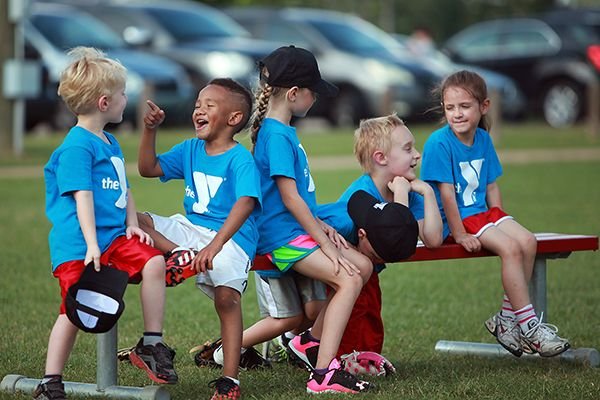
Every great athlete shares one secret: discipline. While talent may open doors, it’s consistency and hard work that lead to success.

19

From footballers waking before sunrise to train, to runners pushing through exhaustion, discipline is the invisible force behind every victory. Talent might shine early, but discipline sustains greatness.

Discipline builds resilience — the ability to perform even when motivation fades. It teaches patience, self-control, and respect for effort. These traits don’t just create better athletes; they create stronger human beings.

Sports remind us that results don’t come overnight. They are built through years of sacrifice and practice. In life, as in sports, discipline always beats talent when talent doesn’t work hard.
The champions we admire today are living proof that success is earned, not given.

Digital Privacy: Why Protecting Your Data Matters More Than Ever

0

In today’s connected world, our personal data is constantly being collected — from smartphones to smart homes. While technology offers convenience, it also raises serious privacy concerns.

Data breaches, identity theft, and unauthorized surveillance have made digital privacy one of the most urgent global issues. Every click, search, or online purchase reveals something about us — and companies often use this data for marketing or analytics without users’ full awareness.

Protecting your digital privacy starts with small steps: using strong passwords, enabling two-factor authentication, and being mindful of what you share online. Regularly updating privacy settings on apps and websites is equally important.

Governments are introducing new data protection laws, but individuals must also take responsibility. In a digital age, privacy equals security — and protecting your data means protecting your freedom.

Finding Balance in a Busy World: The Art of Slowing Down

0

Modern life moves at lightning speed. Notifications, deadlines, and endless to-do lists make it easy to forget what really matters — peace of mind. In a world that glorifies busyness, learning to slow down has become an act of strength.

Slowing down doesn’t mean doing less; it means being more mindful of what you do. It’s choosing quality over quantity — focusing on what adds value rather than what fills time. Whether it’s taking a walk, meditating, or spending time with loved ones, slowing down helps reset your body and mind.

When we constantly rush, stress hormones stay elevated, affecting our health and decision-making. Slowing down allows creativity and clarity to return. It helps us enjoy life’s small joys that we often overlook.

Remember: peace isn’t found in chaos. It’s built through small, conscious choices every day. Learn to pause — because a balanced life is a fulfilled life.

Sleep: The Most Underrated Pillar of Good Health

0

In the race to achieve more, many people sacrifice sleep — but it’s one of the worst decisions you can make for your health. Quality sleep is just as important as diet and exercise.

During sleep, the body repairs tissues, balances hormones, and consolidates memory. Lack of rest leads to fatigue, poor focus, and even long-term issues like heart disease and anxiety. Adults generally need 7–9 hours of uninterrupted sleep each night for optimal function.

To improve sleep quality, create a bedtime routine. Avoid screens before bed, keep your room cool and dark, and go to sleep at a consistent time. Even short naps can help recharge the brain when needed.

Sleep isn’t a luxury — it’s a necessity. It fuels productivity, creativity, and emotional balance. If you want to live longer, think clearer, and feel better, start by prioritizing your rest tonight.

Critical Thinking: The Most Valuable Skill for the Future

0

As technology and automation reshape industries, one skill remains timeless — critical thinking. It’s the ability to analyze, evaluate, and make informed decisions. From classrooms to boardrooms, this skill separates leaders from followers.

Critical thinkers question assumptions, seek evidence, and understand multiple perspectives before forming conclusions. In an age of misinformation, this ability is more important than ever.

Schools and universities are now emphasizing problem-solving, creativity, and analysis — preparing students not just to pass exams, but to solve real-world challenges.

To develop critical thinking, read widely, ask questions, and reflect on different viewpoints. It’s not about knowing all the answers — it’s about knowing how to think.
In a future full of change, critical thinking is the anchor that keeps you steady and successful.