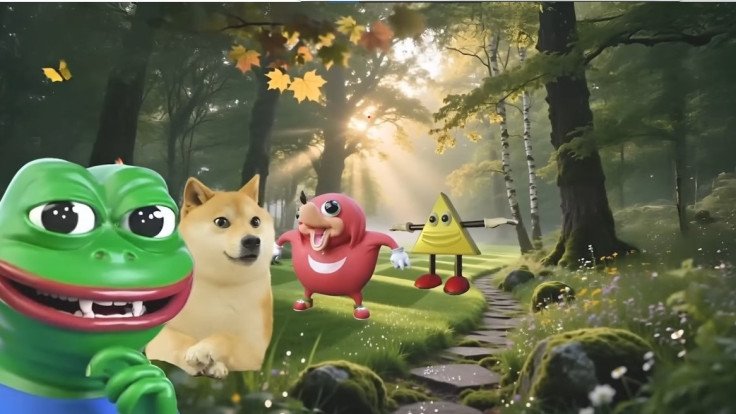
In early 2026, a quirky cultural trend swept across social media: The Great Meme Reset. What started as an internet joke evolved into a movement dedicated to bringing back the classic memes of the 2010s — from Nyan Cat to Big Chungus — and departing from “brainrot” memes that characterized late-2020s internet humor. Wikipedia
The idea has roots in nostalgia. As digital culture accelerates, many users felt overwhelmed by chaotic, rapid-fire humor that often lacked simplicity. In response, social media creators pushed for a “reset” that would refresh the meme landscape with original, memorable classics — not just the latest viral content that fades within days. Wikipedia
This movement gained traction through popular platforms like TikTok and Instagram, where creators deliberately reposted older memes as a statement. Videos tagged with #GreatMemeReset garnered significant engagement, leading others online to explore why people crave nostalgic digital experiences. Wikipedia
Memes are more than digital jokes. They represent shared experiences, cultural moments, and emotional connections between users across generations. For many, the reset wasn’t about rejecting new content — it was about balancing cultural memory with modern creativity. rediscovering familiar favorites offered comfort in an age where online trends fly faster than ever. Wikipedia
Critics argue that trying to take the internet “backwards” is unrealistic. After all, culture constantly evolves, and nostalgia can’t reshape the direction of creativity permanently. Yet, the Great Meme Reset reveals something deeper about digital communities: people want content that feels human, connected, and emotionally meaningful — not just algorithm-favored. Wikipedia
In the end, the Great Meme Reset of 2026 will be remembered as a playful pushback against fleeting internet culture — a reminder that sometimes the best laughs come from the classics.